





What's Happening?
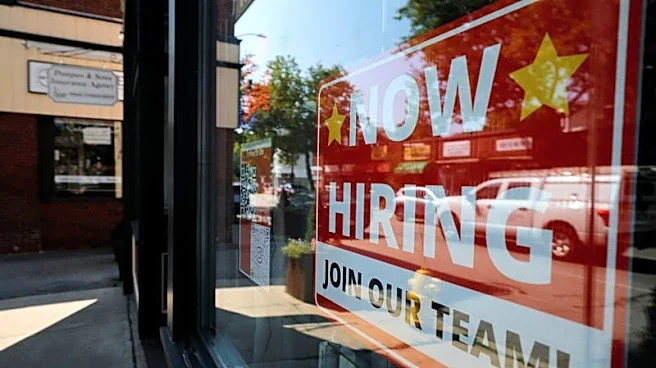
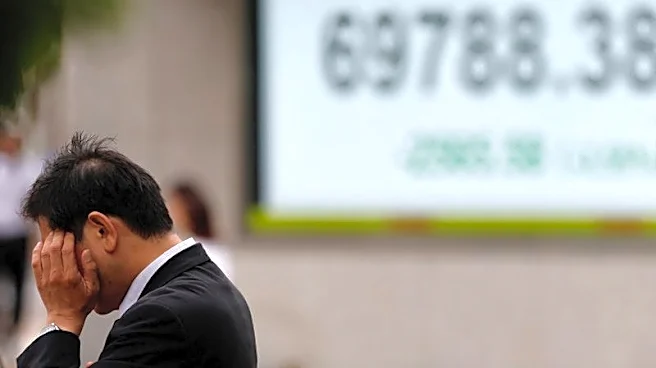
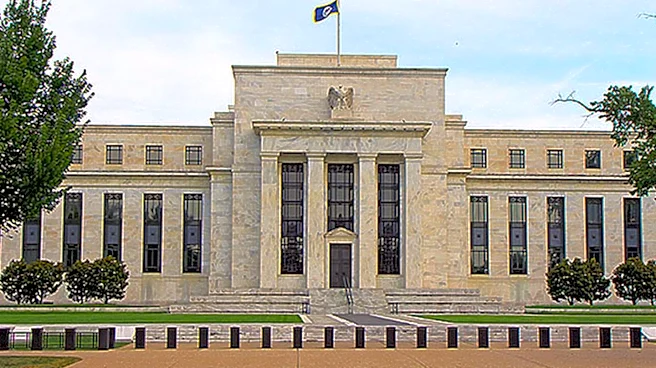
The Federal Reserve is unlikely to raise interest rates in the near term due to weaker-than-expected U.S. jobs data. Recent reports indicate that U.S. nonfarm payrolls increased by only 57,000 last month, significantly below the 110,000 anticipated by economists.
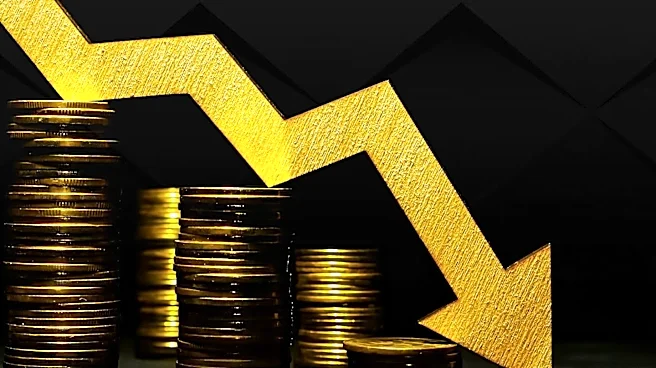
This development has led to a reduction in the pricing of potential Fed rate hikes. As a result, gold prices have experienced a rise, with spot gold and silver increasing by 1.3% and 2.6%, respectively. The easing of rate hike expectations is also influenced by lower oil prices and diplomatic efforts to stabilize tensions in the Middle East, particularly between the United States and Iran.
Why It's Important?
The Federal Reserve's decision to potentially pause interest rate hikes has significant implications for various sectors of the U.S. economy. Lower interest rates can stimulate economic growth by making borrowing cheaper for businesses and consumers. This can lead to increased investment and spending, potentially boosting economic activity. However, it also impacts the financial markets, as seen with the rise in gold prices, which often serve as a hedge against inflation and currency fluctuations. The decision also reflects broader economic conditions, including labor market performance and geopolitical stability, which are crucial for long-term economic planning and policy-making.
What's Next?
Looking ahead, the Federal Reserve's future actions will likely depend on upcoming economic data, particularly employment figures and inflation rates. Analysts suggest that the Fed may maintain its current stance through 2026, with potential easing in 2027 if economic conditions warrant. Market participants will closely monitor any statements from the Fed for indications of policy shifts. Additionally, geopolitical developments, such as U.S.-Iran relations, could further influence economic conditions and the Fed's decisions. Businesses and investors will need to remain vigilant and adaptable to these evolving circumstances.