



What's Happening?
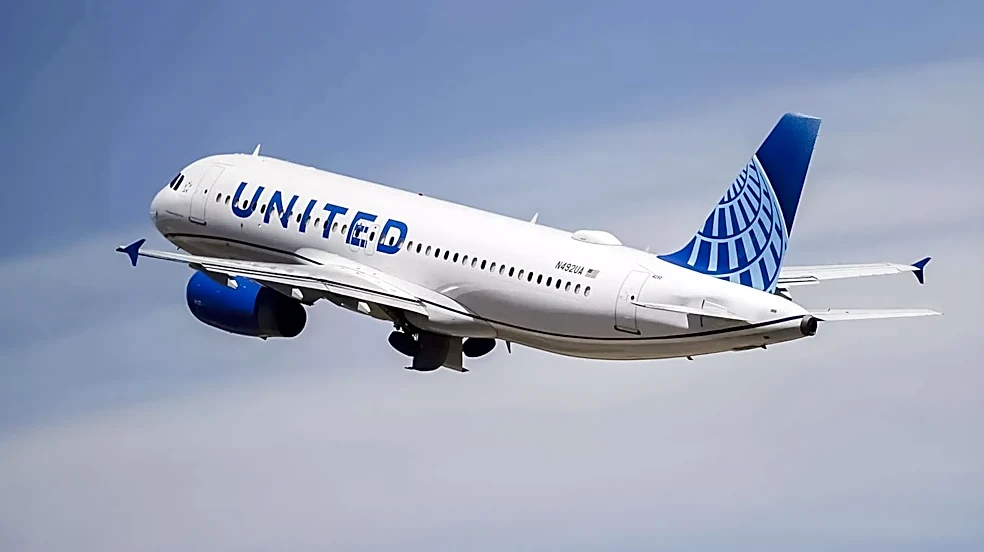
United Airlines Holdings, Inc. has projected a fourth-quarter profit significantly below Wall Street expectations, primarily due to a sharp increase in jet fuel costs. The company anticipates adjusted earnings per share to range between 50 cents and $1.50
for the December quarter, a notable decrease from the $1.76 per share analysts had forecasted. This revised outlook comes despite the airline experiencing record sales and strong passenger demand. United Airlines expects to pay approximately $4.80 per gallon for jet fuel in the fourth quarter, which is about 45 cents higher than the market consensus. This surge in fuel prices has led to a substantial increase in the airline's operating expenses, impacting its overall profitability. The company's third-quarter net income rose by 8.5% to $1.03 billion, with revenue increasing by 17.4% to $17.88 billion, yet the adjusted pretax profit fell and its margin narrowed.
Why It's Important?
The revised profit outlook from United Airlines highlights the significant financial pressures faced by the airline industry due to volatile fuel prices. This situation is critical for U.S. economic stakeholders as it demonstrates how external factors, such as global energy markets, can directly impact corporate profitability and investor confidence. Higher fuel costs, which United Airlines is partially passing on to consumers, could lead to increased airfares, potentially affecting travel demand and the broader tourism sector. While the airline notes continued strong booking despite higher fares, a sustained increase in operational costs could eventually dampen consumer willingness to travel, impacting not only airlines but also related businesses like hotels, car rentals, and hospitality services. Investors in the airline sector may see reduced returns, and the need for airlines to manage these costs effectively will be paramount for their financial health.
What's Next?
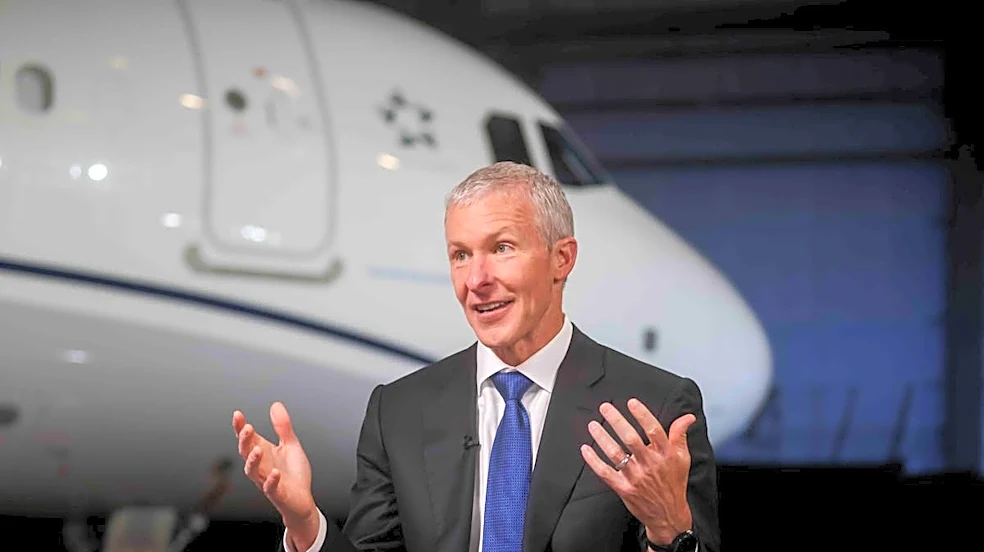
United Airlines will likely continue to monitor fuel price fluctuations closely and may implement further strategies to mitigate their impact, such as adjusting ticket prices or optimizing flight routes for fuel efficiency. The airline's CEO, Scott Kirby, has indicated a desire to pass on a higher percentage of oil price surges to consumers, suggesting that airfares could continue to rise. This could lead to ongoing discussions about the affordability of air travel and potential shifts in consumer behavior. Industry analysts will be watching to see if other airlines follow suit with similar profit warnings, indicating a broader trend across the sector. The company's ability to maintain strong passenger demand despite increasing costs will be a key factor in its financial performance in the coming quarters. Additionally, the airline may explore long-term hedging strategies or investments in more fuel-efficient aircraft to reduce its vulnerability to price volatility.
Beyond the Headlines
The challenges faced by United Airlines extend beyond immediate financial metrics, touching upon broader economic and environmental considerations. The reliance on fossil fuels makes airlines particularly susceptible to geopolitical events and supply chain disruptions that affect oil prices. This situation could accelerate the industry's push towards sustainable aviation fuels (SAF) and other decarbonization efforts, although these solutions currently come with their own set of cost and scalability challenges. The tension between maintaining profitability and managing environmental impact will become more pronounced. Furthermore, the airline's strategy of passing on costs to consumers raises questions about market elasticity and the potential for a two-tiered travel system where higher prices disproportionately affect certain demographics. This could lead to a re-evaluation of airline pricing models and customer loyalty programs in an effort to balance revenue generation with passenger satisfaction and accessibility.