


What's Happening?
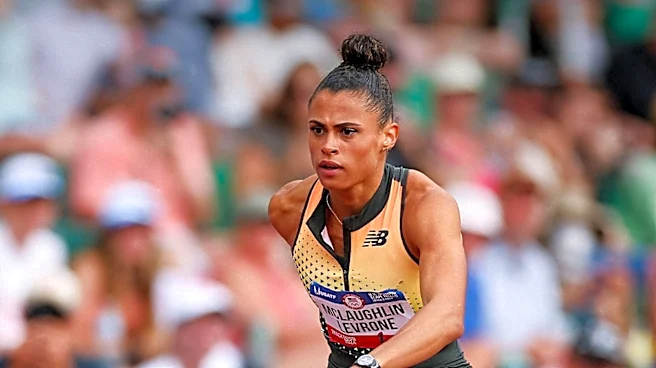
Sydney McLaughlin-Levrone, a prominent track and field athlete, is collaborating with Omaha Brand Studio, a division of Peyton Manning's Omaha Productions, on new athlete-owned media projects. This initiative aims to empower athletes to control and expand
their own content. Adweek reports that Omaha Brand Studio is developing similar projects with other athletes, including Jayson Tatum and Flau'jae Johnson. The model is designed to attract brands, with partners such as Bud Light, Nationwide, Macy's, Visa, T-Mobile, and Workday, by offering content directly controlled by the athletes themselves. This approach allows athletes to have a more significant stake in the media they produce and distribute, moving beyond traditional endorsement deals where they primarily serve as faces for existing campaigns.
Why It's Important?
This development signifies a notable shift in the landscape of athlete endorsements and media. By enabling athletes like Sydney McLaughlin-Levrone to own and scale their content, it provides them with greater autonomy and potential for long-term financial growth beyond their athletic careers. This model challenges traditional media structures and offers a new avenue for athletes to connect directly with their fan bases, fostering deeper engagement and loyalty. For brands, investing in athlete-owned content can lead to more authentic and impactful marketing campaigns, as consumers often respond positively to content that feels genuine and athlete-driven. This trend could also influence how other celebrities and public figures approach their personal branding and media strategies, potentially leading to a broader movement towards creator-owned content across various industries.
What's Next?
The success of these athlete-owned media projects, including those involving Sydney McLaughlin-Levrone, will likely be closely monitored by both the sports and marketing industries. If these ventures prove profitable and effective in engaging audiences, more athletes and brands may adopt similar models. This could lead to an expansion of Omaha Brand Studio's portfolio and inspire other production companies to explore athlete-centric content creation. The evolution of these projects will also shed light on the long-term viability of athletes as media moguls, potentially setting new precedents for how sports figures manage their public image and commercial interests. Future developments may include new content formats, expanded brand partnerships, and increased athlete participation in the creative and business aspects of their media endeavors.
Beyond the Headlines
The rise of athlete-owned media projects, exemplified by Sydney McLaughlin-Levrone's involvement with Omaha Brand Studio, touches upon deeper implications regarding intellectual property rights and the evolving relationship between athletes, brands, and media platforms. This model empowers athletes to retain more control over their narratives and commercial value, potentially leading to a more equitable distribution of revenue generated from their personal brands. It also highlights a growing consumer demand for authentic content, where the voice and perspective of the creator are central. Ethically, this shift could foster greater transparency and accountability, as athletes directly manage the messages they convey. Legally, it may necessitate new frameworks for intellectual property and content ownership in the digital age, as traditional endorsement contracts may not fully address the complexities of athlete-owned media. Culturally, it reflects a broader trend of individual empowerment and direct-to-consumer engagement, reshaping how public figures interact with their audiences and monetize their influence.