



What's Happening?
The 'quiet luxury' trend, traditionally characterized by restrained palettes, premium materials, and minimal branding, is undergoing a significant evolution, becoming 'louder' in its expression. This shift is evident in interior design, where there's
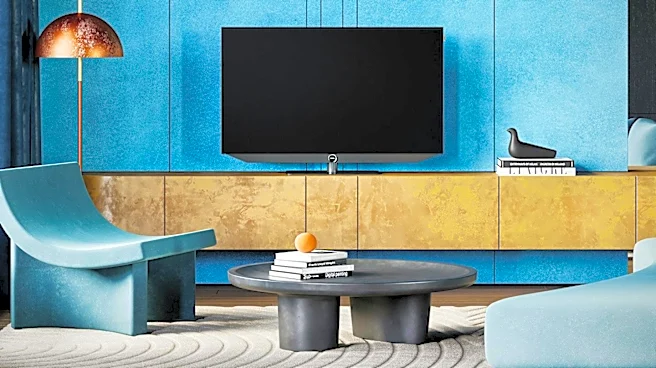
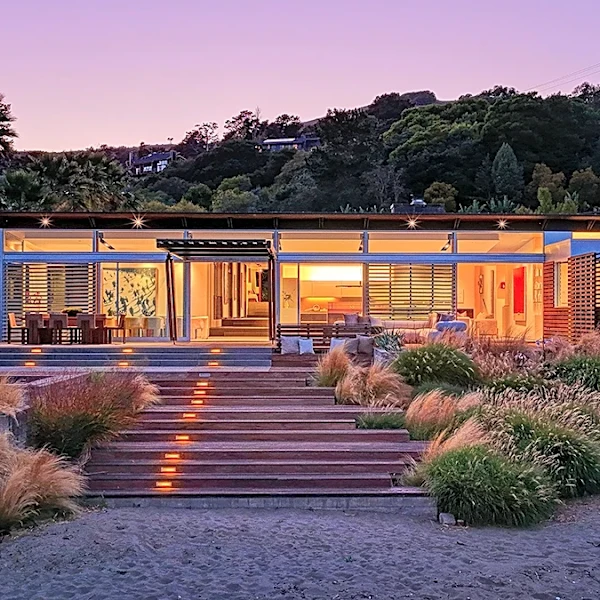
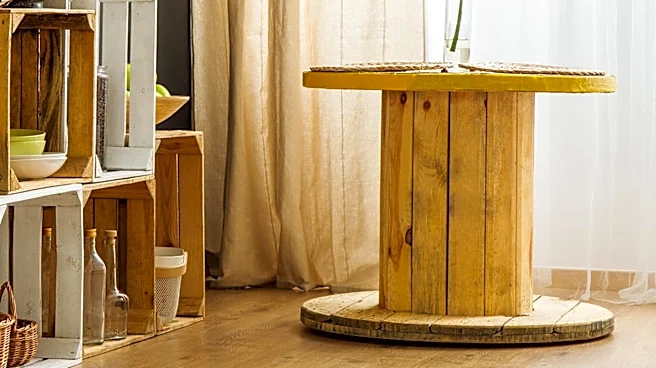
a growing embrace of more personality, bolder art, unexpected color schemes, sculptural furniture, and statement lighting. The focus is moving away from uniformity towards creating rooms with distinct points of view. This evolution emphasizes having 'better and more meaningful things' rather than an abundance of items. Designers are now using contrast as a key tool, pairing polished elements with patina, modern with antique, and refined upholstery with rough-hewn timber to create more interesting and personalized spaces. The goal is to make homes feel less like showrooms and more like lived-in environments, featuring items collected over time and artwork with personal stories, allowing rooms to evolve organically.
Why It's Important?
This shift in the quiet luxury trend reflects a broader cultural movement towards individuality and authenticity in consumer choices, impacting various industries beyond interior design. For the U.S. design and retail sectors, it signals a demand for unique, high-quality, and meaningful products over mass-produced, logo-heavy items. Businesses that can adapt to this preference for 'personality dressing' and bespoke elements will likely gain a competitive edge. Manufacturers and retailers of furniture, art, and home decor will need to offer more diverse, customizable, and artisan-crafted options. This trend also suggests a potential decline in the appeal of overtly branded luxury goods, pushing brands to focus on craftsmanship, material quality, and unique design narratives. Consumers stand to gain more personalized and expressive living spaces, while businesses that fail to innovate beyond traditional minimalist luxury might see reduced demand.
What's Next?
The design world is expected to continue exploring and integrating more expressive elements into the quiet luxury aesthetic. This could lead to an increased demand for custom-made furniture, unique art pieces, and collaborations between designers and artisans. We may see a rise in interior design services that specialize in creating highly personalized and narrative-driven spaces. Retailers might curate collections that emphasize individuality, storytelling, and the integration of diverse styles and eras. Furthermore, the emphasis on 'meaningful things' could drive greater interest in sustainable and ethically sourced materials, as consumers increasingly seek products that align with their values. The trend suggests a future where luxury is defined not by exclusivity or price tag alone, but by the depth of personal connection and the unique character a space or item embodies.
Beyond the Headlines
The evolution of quiet luxury into a more personalized and expressive style highlights a deeper societal shift away from conspicuous consumption towards a more nuanced appreciation of quality, craftsmanship, and individual expression. This trend challenges the traditional notion of luxury as something aspirational and unattainable, instead framing it as an accessible and personal experience. It encourages consumers to invest in items that resonate with their personal stories and values, fostering a more thoughtful approach to consumption. This could have long-term implications for consumer culture, promoting durability and timelessness over fleeting trends. Ethically, it supports artisans and small businesses that prioritize unique creations and sustainable practices, potentially leading to a more diverse and responsible marketplace. Culturally, it signifies a move towards valuing authenticity and personal narrative in material possessions, reflecting a desire for spaces that genuinely represent their inhabitants.