


What's Happening?
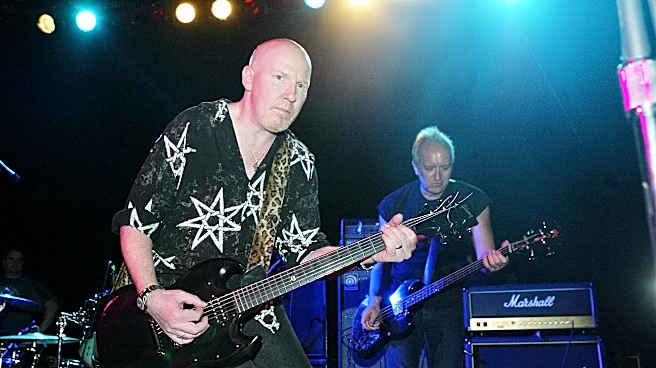
Eugene O’Connor, known professionally as Cheetah Chrome, the influential guitarist for the pioneering punk band Dead Boys, has passed away at the age of 71. The band confirmed his death via an Instagram post, highlighting his role as an 'architect of the punk rock
movement.' Chrome first gained prominence in 1974 as a member of Rocket From the Tombs, a group that included future Pere Ubu frontman David Thomas. He then joined Frankenstein, which quickly evolved into the Dead Boys with singer Stiv Bators and drummer Johnny Blitz, later joined by guitarist Jimmy Zero and bassist Jeff Magnum. The Dead Boys, who relocated to New York to immerse themselves in the burgeoning punk scene alongside bands like the Ramones and New York Dolls, released their debut album, 'Young, Loud and Snotty,' in 1977. This album, characterized by anthems such as 'Ain’t Nothin’ to Do' and 'Sonic Reducer,' showcased Chrome’s distinctive 'trashy, thrashy playing' that blended punk's urgency with classic rock 'n' roll. The band released a second LP, 'We Have Come for Your Children,' in 1978 before disbanding, though they reunited sporadically over the decades. Chrome was the last original member, and the band had plans to tour in 2027 for the 50th anniversary of their debut album. O’Connor is survived by his wife Anna and son Rogan.
Why It's Important?
Cheetah Chrome's passing marks the end of an era for a significant figure in the American punk rock movement. His guitar work with the Dead Boys was instrumental in defining the raw, aggressive sound that characterized early punk, influencing countless musicians and bands that followed. The Dead Boys' relocation to New York and their integration into the nascent punk scene alongside iconic groups like the Ramones and New York Dolls underscores their critical role in shaping the genre's development in the U.S. Their music, particularly their debut album, 'Young, Loud and Snotty,' remains a touchstone for punk enthusiasts and a testament to the rebellious spirit of the 1970s. Chrome's unique playing style, described as 'trashy, thrashy,' helped establish a sonic blueprint for punk guitar, emphasizing energy and attitude over technical precision. His contributions extended beyond just music; the band's aesthetic and live performances embodied the anti-establishment ethos of punk, resonating with a generation seeking an alternative to mainstream rock. The planned 50th-anniversary tour for 'Young, Loud and Snotty' in 2027, with Chrome as the last original member, highlights the enduring legacy and continued relevance of the Dead Boys' music, even decades after their initial impact.
What's Next?
The passing of Cheetah Chrome, the last original member of the Dead Boys, raises questions about the future of the band's legacy and any potential commemorative events. With a planned 50th-anniversary tour for their debut album 'Young, Loud and Snotty' in 2027, the band and its remaining associates will likely need to re-evaluate how to honor this milestone. It is probable that tributes and memorial concerts will be organized by fellow musicians and fans to celebrate Chrome's contributions to punk rock. The band's existing catalog and influence will continue to be studied and appreciated by music historians and new generations of punk enthusiasts. Discussions may also arise regarding the preservation of the Dead Boys' musical archives and memorabilia, ensuring their place in rock history. Furthermore, the event may prompt renewed interest in documentaries or biographical works about the band and the early New York punk scene, further solidifying Chrome's impact on American music.
Beyond the Headlines
Cheetah Chrome's death transcends a mere obituary, highlighting the often-overlooked cultural impact of early punk rock on American society. The Dead Boys, through Chrome's raw guitar and the band's rebellious ethos, challenged conventional norms and provided a voice for disaffected youth. Their music, while seemingly abrasive, was a powerful form of artistic expression that reflected a broader societal discontent with the status quo. The band's move to New York and their immersion in the burgeoning punk scene at clubs like CBGB's fostered a counter-cultural movement that influenced not only music but also fashion, art, and independent thought. Chrome's 'trashy, thrashy' playing style was not just a musical choice; it was a statement against the polished, corporate rock of the era, advocating for authenticity and raw emotion. This ethos of DIY and anti-establishment sentiment continues to resonate in various subcultures and independent artistic movements today. The Dead Boys' legacy, therefore, is not just about a band, but about a pivotal moment in American cultural history where a new form of artistic rebellion took root and flourished, leaving an indelible mark on the landscape of popular culture.