





What's Happening?
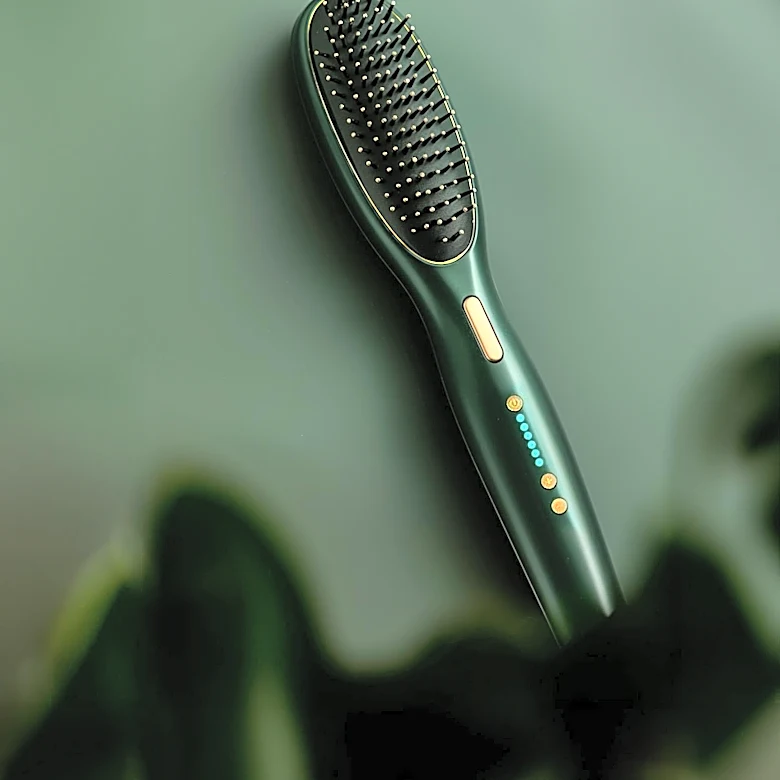
A growing trend in skincare involves using hands-free applicators like rollerballs, mists, and brush tips, driven by concerns about transferring oil, bacteria, and dirt from fingers to the face. However, dermatologists clarify that applying skincare with
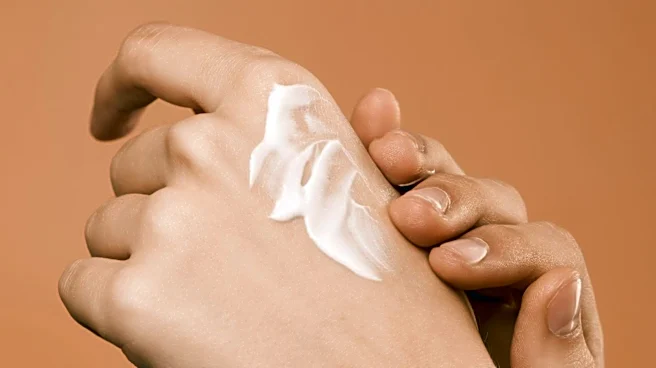
clean fingers is not inherently problematic. Dr. Shamsa Kanwal, a board-certified dermatologist, states that clean fingers are a perfectly appropriate applicator, offering good control over product application. The primary concern with finger application arises when unwashed fingers are repeatedly dipped into jar products, potentially introducing microorganisms into the product itself. Hands-free products, while convenient, are not automatically more hygienic, as their applicators can also harbor bacteria if not regularly cleaned. Experts recommend washing and drying hands thoroughly before starting a skincare routine, especially before applying products near sensitive areas or to compromised skin. For jar products, using a clean spatula is advised to prevent contamination.
Why It's Important?
This discussion is important for consumers navigating the evolving skincare market, as it addresses a common misconception and helps them make informed decisions about product application methods. The emphasis on hygiene, regardless of the application tool, underscores a fundamental aspect of skin health. For the beauty industry, this trend highlights a demand for innovative application methods and product formulations that cater to hygiene concerns. Brands offering hands-free solutions may gain a competitive edge, but they must also educate consumers on proper cleaning and maintenance of these tools to ensure actual hygienic benefits. Conversely, brands relying on traditional jar packaging might need to consider providing spatulas or redesigning packaging to minimize contamination risks. Ultimately, understanding the nuances of skincare application impacts product efficacy and consumer trust, influencing purchasing habits and product development strategies within the U.S. beauty market.
What's Next?
The skincare industry is likely to continue innovating in hands-free application technologies, potentially leading to more sophisticated and easily sanitizable applicators. Consumers can expect to see a wider range of products, from serums to sunscreens, incorporating built-in brushes, rollers, or spray mechanisms. Educational campaigns from dermatologists and beauty brands will be crucial to inform the public about effective hygiene practices, whether using fingers or tools. This includes clear instructions on how to clean hands-free applicators and the importance of handwashing before any skincare routine. The focus will shift from simply avoiding fingers to ensuring overall cleanliness in product application, promoting a more holistic approach to skincare hygiene. This could also lead to increased demand for antimicrobial ingredients in product formulations or packaging materials designed to inhibit bacterial growth.
Beyond the Headlines
Beyond the immediate concerns of hygiene, the hands-free skincare trend reflects a broader societal shift towards convenience and perceived cleanliness in personal care. This movement is influenced by increased awareness of germ transmission, particularly in a post-pandemic world, and the desire for streamlined routines. The debate also touches upon the psychological aspect of skincare, where the act of applying products can be a ritual. While hands-free methods offer efficiency, some consumers may still prefer the tactile experience of using their fingers. This trend could also inadvertently contribute to increased consumption of single-use applicators or products with complex packaging, raising environmental sustainability questions for the industry. The long-term impact on skin health will depend on whether these new methods genuinely reduce bacterial transfer and if consumers adopt proper cleaning habits for their tools.