

What's Happening?
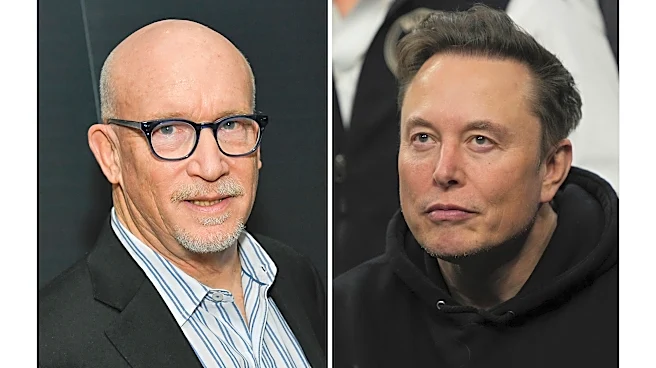
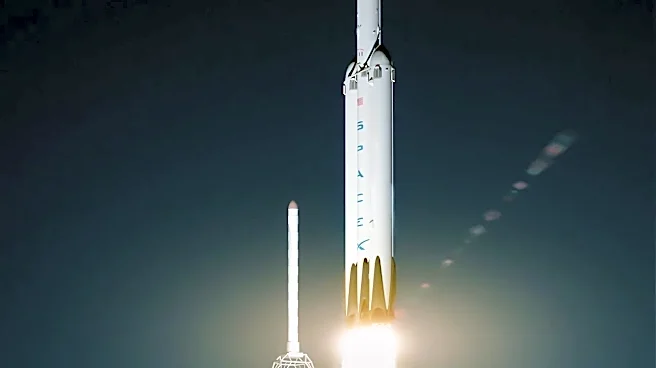
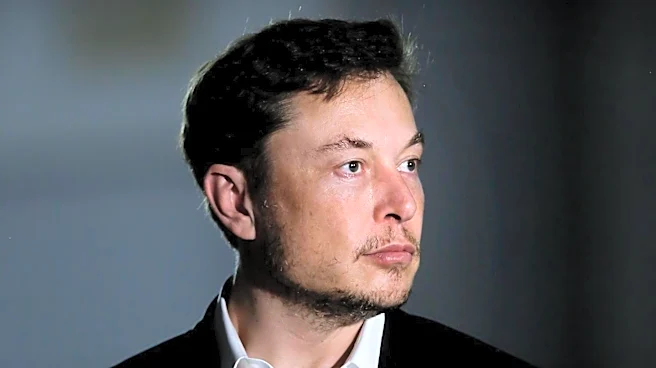
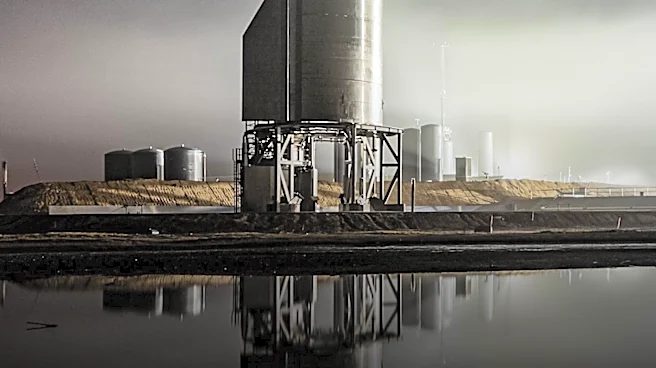
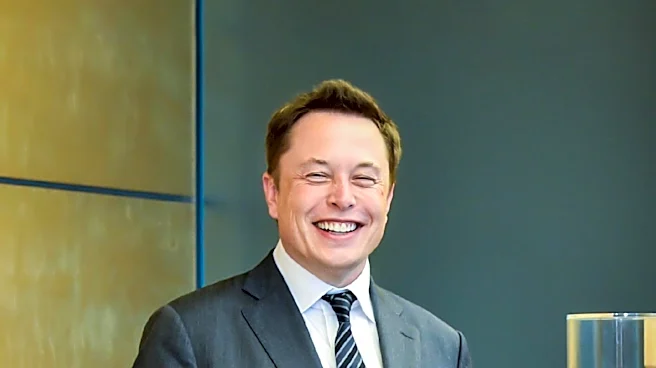
Ross Gerber, President and CEO of Gerber Kawasaki, believes that Tesla Inc. and Space Exploration Technologies Corp. (SpaceX), both led by Elon Musk, will eventually merge. Gerber views SpaceX as having stronger long-term potential than Tesla and suggests
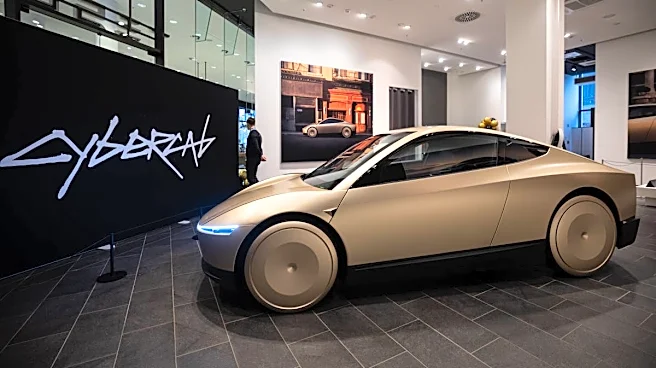
that a combined entity would become a 'must-have' investment for global investors. He currently holds substantially more SpaceX stock than Tesla. Gerber also expressed concerns about Tesla's autonomous driving technology, calling its Robotaxi opportunity 'unproven and difficult' and questioning its profitability. He would prefer Tesla to focus more on electric vehicle sales rather than robotics.
Why It's Important?
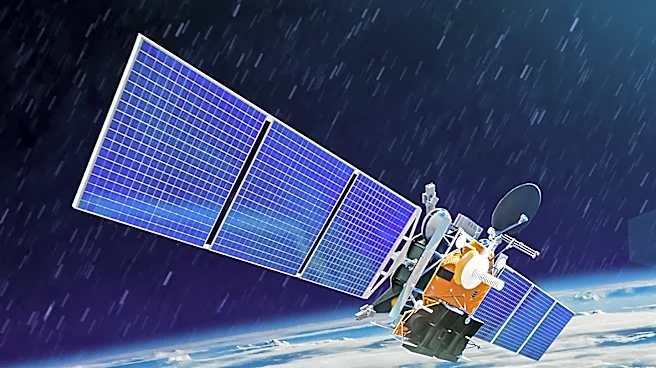
A potential merger between Tesla and SpaceX would create a formidable conglomerate with significant implications across multiple high-growth sectors, including electric vehicles, space exploration, satellite internet (Starlink), and artificial intelligence (xAI). This consolidation could streamline technological development, particularly in AI, as Gerber notes that xAI is critical to Tesla's future and that Tesla's operating system is effectively owned by SpaceX. Such a merger would centralize control over vast technological resources and intellectual property under one corporate umbrella, potentially accelerating innovation and market dominance. For investors, it would offer a diversified exposure to cutting-edge technologies, though it would also concentrate risk under a single leadership. The skepticism regarding Tesla's Robotaxi venture highlights ongoing challenges in the autonomous vehicle industry and the need for proven safety and profitability.
What's Next?
While a merger is speculative, the ongoing integration of technologies, particularly in AI, between Musk's companies suggests a strategic alignment that could precede such a move. Investors will be closely watching for any indications of increased collaboration or formal integration between Tesla and SpaceX. Tesla's ability to demonstrate the safety and profitability of its autonomous driving technology will be crucial for its standalone valuation and for any potential merger discussions. The performance of SpaceX, Starlink, and xAI will also be key factors in determining the perceived value and strategic rationale for a combined entity. Any official announcements or regulatory filings regarding a potential merger would trigger significant market reactions and scrutiny.
Beyond the Headlines
The idea of a Tesla-SpaceX merger raises profound questions about corporate structure, market power, and the future of technological innovation. Such a combined entity could wield unprecedented influence over critical infrastructure, from transportation and communication to space access. This concentration of power could lead to increased regulatory oversight and antitrust concerns, particularly given Elon Musk's controversial public persona and his companies' rapid expansion. The ethical implications of a single entity controlling advanced AI, autonomous systems, and space-based assets would also be significant, touching upon issues of data privacy, national security, and the equitable distribution of technological benefits. The long-term impact on competition within these industries could be substantial, potentially leading to a more consolidated and less diverse technological landscape.