





What's Happening?
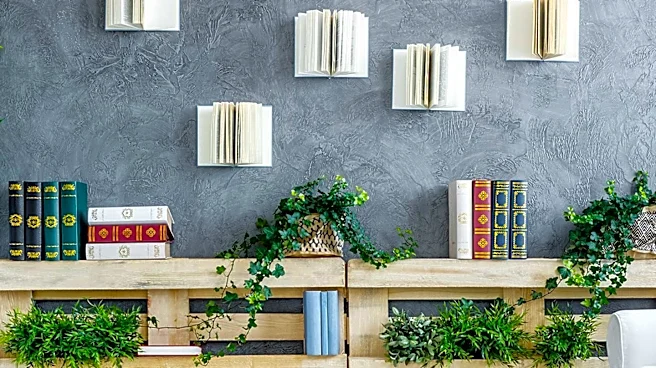
Making the most of small living spaces, such as 500-square-foot apartments, involves strategic design choices and organization techniques. Key strategies include utilizing vertical and hanging storage, such as wall shelves and pegboards, to free up floor
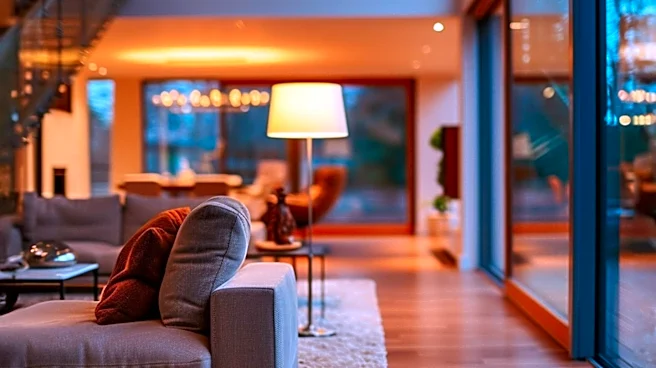
space. Corners, often overlooked, can be transformed into functional areas with corner shelves or compact desks. Maximizing natural light with sheer curtains and unobstructed windows can make a small room feel more expansive. Additionally, incorporating layered lighting with floor and table lamps adds warmth without relying solely on overhead fixtures. These approaches aim to create a comfortable and efficient environment in compact dwellings, which are becoming increasingly common in U.S. cities.
Why It's Important?
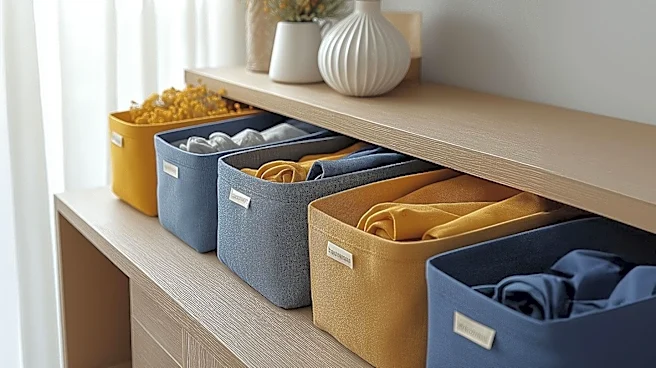
The trend towards smaller living spaces in the U.S. makes efficient space utilization crucial for residents' quality of life. With average new apartments measuring 910 square feet, and studios around 460 square feet, understanding how to live comfortably in 500 square feet is highly relevant. Effective organization in these compact homes can significantly reduce stress and improve daily routines. Multi-purpose furniture, like storage ottomans and sofa beds, offers flexibility and additional storage without requiring more floor area. This focus on functionality and adaptability is vital for single renters, couples, and those prioritizing location over size, allowing them to maintain an organized and livable environment despite spatial constraints. The ability to adapt a small space to various needs, from working to socializing, directly impacts well-being and productivity.
What's Next?
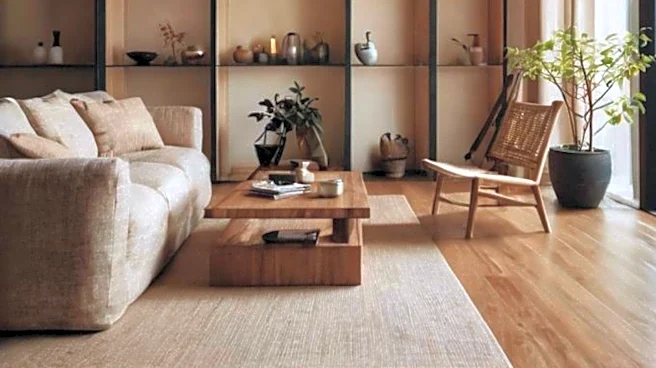
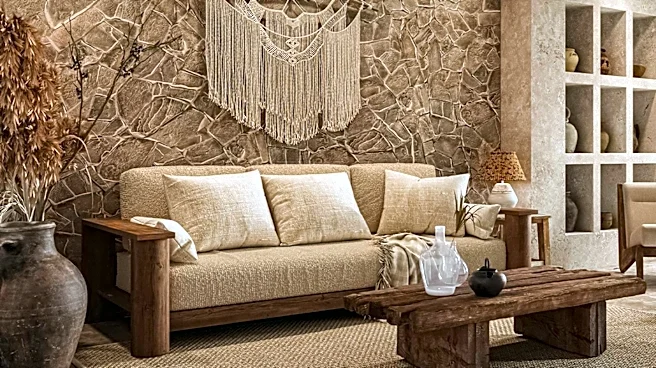
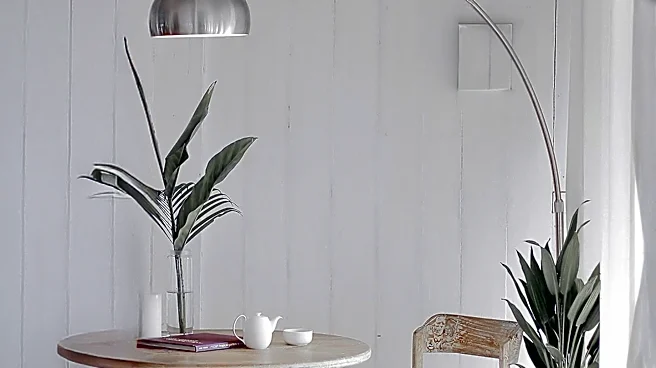
As urban living continues to drive demand for smaller residences, the market for innovative small-space solutions is expected to grow. Consumers will likely seek out more modular furniture, integrated storage systems, and design services specializing in compact living. The emphasis will be on products that offer both aesthetic appeal and high functionality, allowing residents to personalize their spaces without sacrificing utility. Furthermore, the integration of biophilic design principles, which incorporate natural elements and organic shapes, is gaining traction to create calming and inviting atmospheres in small homes. This trend suggests a future where small spaces are not just functional but also contribute positively to residents' mental and emotional well-being.
Beyond the Headlines
The shift towards smaller living spaces reflects broader societal and economic trends, including urbanization, rising housing costs, and a growing interest in minimalist lifestyles. Beyond practical organization, living in compact environments encourages a more mindful approach to possessions and consumption. It challenges individuals to prioritize what they truly need and value, potentially leading to reduced material waste and a smaller environmental footprint. The psychological impact of a well-organized small space can be profound, fostering a sense of calm and control in an often-chaotic world. This intentional living can also promote creativity in problem-solving, as residents find innovative ways to adapt their surroundings to their evolving needs and preferences.