




What's Happening?
Tripulse, an activewear brand, is advocating for a thoughtful approach to selecting colors for activewear capsule wardrobes, moving beyond the default of black. The brand, through insights from wellness and sustainability writer Christie Johnson and founder
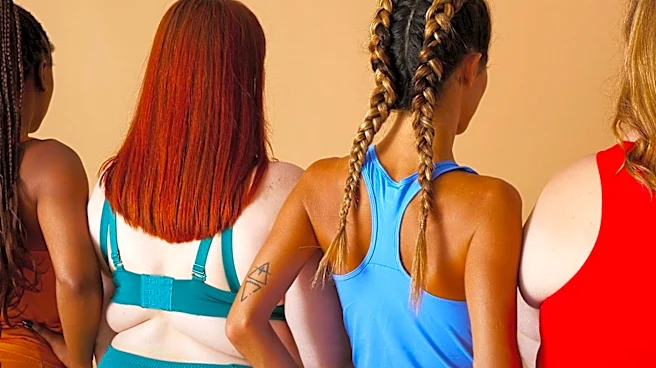
Franziska Mesche, highlights the importance of choosing versatile colors that integrate with existing wardrobes, perform well during workouts, and are safe for the skin. The discussion covers how to select colors that complement personal style, considering warm or cool undertones, and opting for muted rather than saturated shades for broader compatibility. Tripulse emphasizes that versatility comes from colors that share common partners within a wardrobe, allowing for more outfit combinations with fewer pieces. The brand also addresses practical concerns such as sweat visibility, fabric sheerness, and dye safety, noting that all its materials, dyes, and finishes are OEKO-TEX® STANDARD 100 certified to be free from harmful substances. This approach aims to encourage consumers to invest in fewer, higher-quality activewear items that offer longevity and adaptability.
Why It's Important?
This focus on sustainable and versatile color choices in activewear is significant for several reasons. From a consumer perspective, it promotes more conscious purchasing habits, potentially reducing textile waste by encouraging investment in durable, multi-functional pieces rather than trend-driven items. This aligns with broader sustainability movements within the fashion industry, pushing for less consumption and more thoughtful design. For the activewear market, it signals a shift towards product development that prioritizes longevity, skin safety, and environmental responsibility, which can influence other brands to adopt similar practices. The emphasis on dye safety, particularly with OEKO-TEX® certification, addresses growing consumer concerns about chemicals in clothing, especially for items worn close to the skin during physical activity. This could lead to increased demand for transparent sourcing and manufacturing processes, impacting supply chains and material innovations in the textile industry. Ultimately, it encourages a more sustainable and health-conscious approach to activewear consumption and production.
What's Next?
The trend towards more sustainable and versatile activewear color palettes is likely to continue gaining traction. Consumers can expect to see more brands emphasizing the longevity and multi-functionality of their products, moving away from fast-fashion cycles. This could lead to an increased focus on neutral and muted color offerings that are designed to be seasonless and easily integrated into diverse wardrobes. Brands may also further invest in certifications like OEKO-TEX® STANDARD 100 to assure consumers of product safety and environmental responsibility, making these certifications a more common marketing point. Additionally, there might be a rise in educational content from brands and influencers guiding consumers on how to build effective and sustainable capsule wardrobes, extending beyond activewear to general apparel. This shift could also spur innovation in dye technologies, with a greater emphasis on eco-friendly and skin-safe alternatives, as well as advancements in fabric technology that enhance durability and performance while maintaining environmental standards.
Beyond the Headlines
Beyond the immediate implications for consumer choices and brand strategies, this movement towards thoughtful activewear color selection touches upon deeper cultural and ethical dimensions. It challenges the prevailing consumer culture of constant newness and disposability, encouraging a more mindful relationship with clothing. Ethically, the focus on dye safety and sustainable production practices highlights the responsibility of brands to protect both consumer health and the environment, moving beyond mere compliance to proactive stewardship. Culturally, it reflects a growing appreciation for minimalism and functionality, where quality and versatility are valued over quantity and fleeting trends. This shift could also influence broader fashion norms, promoting a more timeless and less trend-driven aesthetic across various clothing categories. The emphasis on how colors interact with different skin tones also subtly promotes inclusivity, ensuring that product development considers a wider range of consumers. Ultimately, this approach to activewear colors is part of a larger societal re-evaluation of consumption patterns and the environmental and social impact of industries.