




What's Happening?
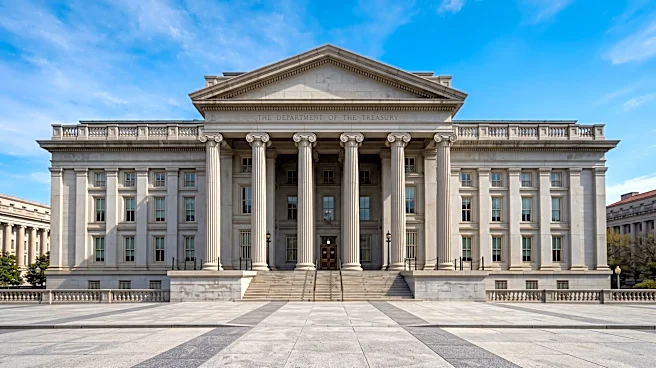
United States Treasury Secretary Scott Bessent and US Trade Representative Jamieson Greer recently met with Chinese Vice Premier He Lifeng to press Beijing on its commitments under the Busan trade agreement. Secretary Bessent emphasized the critical need
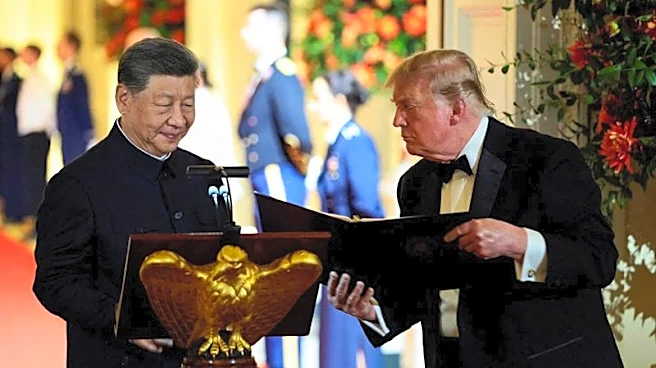
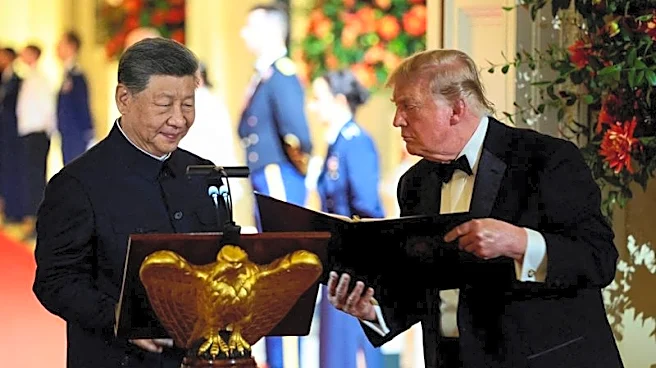
for China to fully and immediately implement these commitments, expressing concerns about recent Chinese actions. The US Department of the Treasury stated that continued progress in trade relations is contingent on concrete results, and the United States will closely monitor China's adherence to the arrangement. This agreement, negotiated between President Trump and Chinese President Xi Jinping, aimed to de-escalate trade tensions by easing tariffs and lifting technology restrictions. China has indicated its willingness to increase purchases of US agricultural goods, but only if a reciprocal tariff-reduction arrangement of '$30 billion for $30 billion' is implemented. The White House had previously proposed $60 billion in cuts, including $17 billion worth of US farm goods, following a September meeting between President Trump and President Xi. In May, Beijing reportedly agreed to annual purchases of $17 billion in US agricultural goods starting in 2026, in addition to earlier commitments on US soybeans.
Why It's Important?
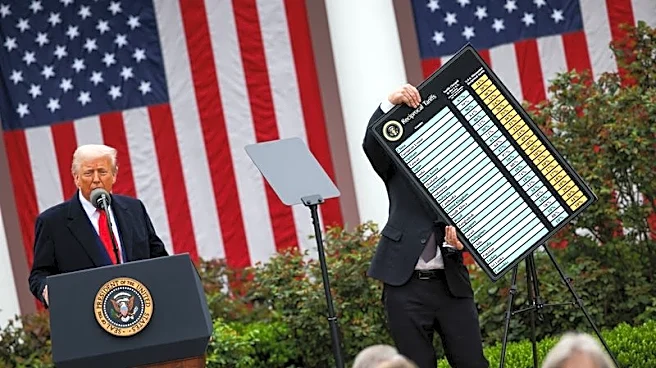
The US insistence on China fulfilling its Busan trade commitments is crucial for American workers, farmers, and businesses, as reiterated by Secretary Bessent. The agreement was designed to benefit these sectors by reducing trade barriers and ensuring fair market access. China's adherence to purchasing US agricultural products, rare earths, and other critical minerals directly impacts the economic stability and profitability of these American industries. Failure to implement these commitments could lead to renewed trade tensions, potentially resulting in the re-imposition of tariffs or other restrictive measures, which would negatively affect US exporters and consumers. The situation also tests the efficacy of trade agreements as a tool for resolving international economic disputes and maintaining a balanced global trade environment. The Trump Administration's focus on strengthening US economic and national security through these policies underscores the strategic importance of China's compliance.
What's Next?
The United States will continue to closely assess China's implementation of the Busan trade agreement, with future progress in trade relations dependent on Beijing demonstrating concrete results. The US Department of the Treasury's statement indicates that the Trump Administration will maintain its commitment to policies that benefit American economic interests. China's response to the US demands, particularly regarding agricultural purchases and critical minerals, will be a key indicator of future trade dynamics. If China fails to meet its commitments, the US may consider further actions, potentially including trade enforcement measures. Conversely, if China demonstrates full compliance, it could lead to a de-escalation of trade tensions and potentially further cooperation on economic matters. The ongoing dialogue between US and Chinese officials will be critical in determining the next steps and the overall trajectory of the trade relationship.
Beyond the Headlines
The ongoing pressure from the US on China to honor trade commitments extends beyond immediate economic gains, touching upon broader issues of international trade integrity and geopolitical influence. The Busan agreement, intended to ease tensions, highlights the complexities of managing economic relations between the world's two largest economies. The US emphasis on 'concrete results' reflects a strategic shift towards outcome-based diplomacy in trade, rather than just agreements in principle. This approach could set a precedent for future trade negotiations, where verifiable implementation becomes a primary measure of success. Furthermore, the focus on critical minerals like rare earths underscores national security concerns related to supply chain vulnerabilities, pushing the US to ensure reliable access to these essential resources. The situation also reflects the broader competition between the US and China for global economic leadership and influence, where trade agreements serve as instruments of both economic policy and strategic power projection.