


What's Happening?
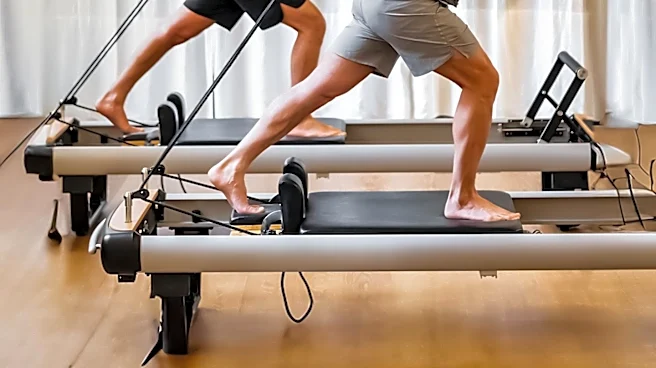
Reformer Pilates is gaining recognition as an effective form of strength training that utilizes springs and body weight for resistance. This exercise method provides a full-body workout, targeting legs, glutes, arms, and core muscles, while being low-impact
and supportive of joints. The equipment, known as a Reformer, allows for varied resistance and support, making it suitable for different fitness levels. Exercises on the Reformer often require trunk control while limbs or the carriage move, engaging coordinated muscles in the abdomen, back, hips, and pelvis. Instructors play a crucial role in guiding participants on proper carriage control, spring selection, and safe use of the apparatus. The focus is on controlled movement and steady breathing rather than simply completing repetitions, ensuring effective muscle engagement and injury prevention. This method emphasizes building strength and tone through precise, deliberate movements.
Why It's Important?
The growing popularity of Reformer Pilates highlights a shift towards exercise modalities that prioritize joint health and functional strength. For individuals seeking effective strength training without the high impact associated with other forms of exercise, Reformer Pilates offers a viable alternative. Its emphasis on core stability and controlled movements can improve posture, balance, and overall body awareness, which are crucial for daily activities and injury prevention. The adaptability of the Reformer, allowing for adjustments in resistance and support, makes it accessible to a wide demographic, from beginners to advanced practitioners, and those with specific physical considerations. This accessibility can encourage broader participation in strength training, contributing to improved public health outcomes by fostering stronger, more resilient bodies and reducing the risk of musculoskeletal issues.
What's Next?
As awareness of the benefits of Reformer Pilates grows, it is likely that more fitness studios and wellness centers will incorporate these classes into their offerings. The demand for qualified instructors specializing in Reformer Pilates is also expected to increase, leading to more training programs and certifications in this area. Further research may explore the specific benefits of Reformer Pilates for various populations, such as older adults, individuals recovering from injuries, or athletes looking for complementary training. The evolution of Reformer equipment itself might also see innovations aimed at enhancing user experience, safety, and versatility. This trend suggests a continued integration of mindful, low-impact strength training into mainstream fitness, potentially influencing how physical therapy and rehabilitation programs are structured.
Beyond the Headlines
Beyond its immediate physical benefits, Reformer Pilates embodies a holistic approach to fitness that integrates physical conditioning with mental focus. The emphasis on breath control and precise movements encourages a mind-body connection, which can reduce stress and improve overall well-being. This aspect aligns with a broader cultural shift towards wellness practices that address both physical and mental health. The structured, instructor-led environment of Reformer Pilates classes also fosters a sense of community and personalized attention, which can be highly motivating for participants. This method challenges the traditional view of strength training as solely about heavy lifting, promoting a more nuanced understanding of how resistance and controlled movement contribute to long-term physical health and functional capacity, thereby influencing broader perceptions of what constitutes effective exercise.