






What's Happening?
In Indian Trail, NC, several neighborhoods are being recognized for their walkability and community amenities. Fieldstone Farm, Bonterra, and Brandon Oaks are among the top picks for those seeking a walkable lifestyle. These neighborhoods offer a range
of amenities including clubhouses, swimming pools, and sports facilities, all accessible via internal sidewalks and trails. Despite Indian Trail's overall low walkability score, these communities provide residents with the opportunity to enjoy recreational activities without relying heavily on cars. The town is also investing in infrastructure projects to improve walkability, such as the Downtown Master Plan and the Complete Street project.
Why It's Important?
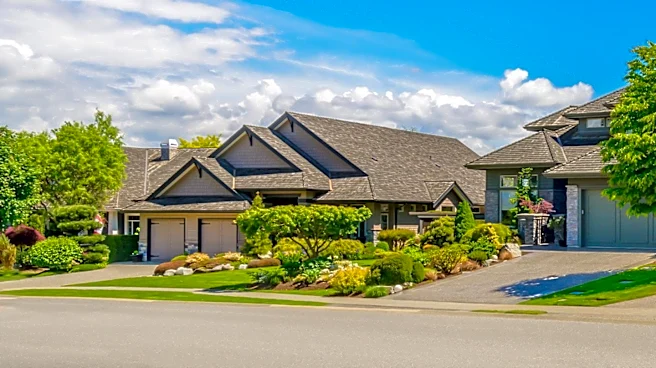
The emphasis on walkable neighborhoods in Indian Trail reflects a growing trend towards community-centric living, where residents prioritize accessibility to amenities and recreational spaces. This shift is significant as it aligns with broader urban planning goals to reduce car dependency and promote healthier lifestyles. For real estate investors and homebuyers, these neighborhoods offer attractive living conditions that combine suburban tranquility with the convenience of nearby amenities. The town's investment in improving walkability also suggests a commitment to sustainable development, which could enhance property values and attract more residents seeking a balanced lifestyle.
What's Next?
As Indian Trail continues to develop its infrastructure, residents can expect further enhancements in walkability and community connectivity. The ongoing projects, such as the Complete Street initiative, aim to create a more pedestrian-friendly environment, potentially increasing the appeal of the area to new homebuyers. Real estate agents and developers may focus on promoting these walkable communities as ideal locations for families and individuals seeking a suburban lifestyle with urban conveniences. Additionally, the success of these neighborhoods could inspire similar developments in other suburban areas, contributing to a broader movement towards sustainable and accessible living environments.