




What's Happening?
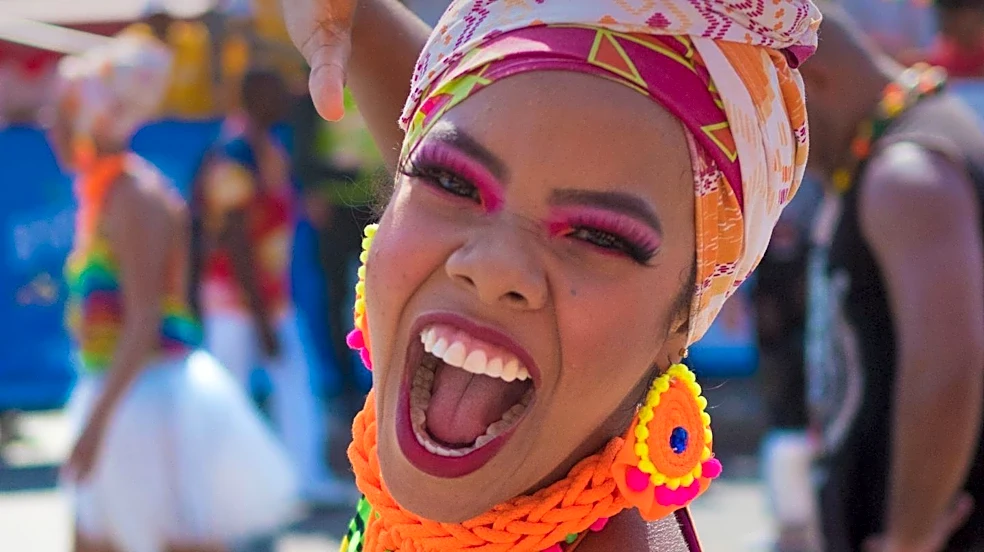
The annual Filipino Festival in Tallahassee, Florida, attracted between 6,000 and 7,000 attendees to Tom Brown Park. Organized by the Big Bend Filipino American Association, the event served as a vibrant celebration of Filipino culture, featuring 37 vendors
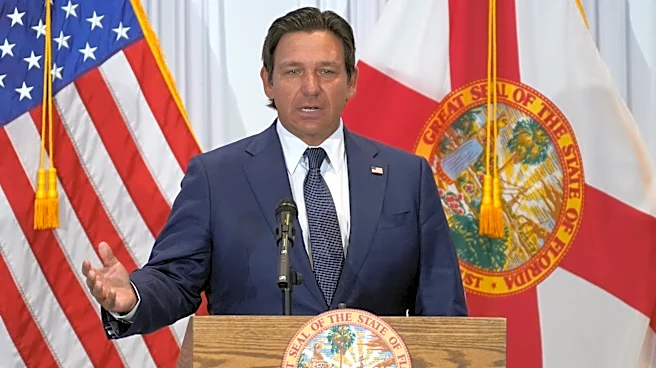
offering Filipino food, fashion, arts, and crafts. Professional artists from the Philippines were also brought in to perform on stage. Romeo Aggabao, president of the Big Bend Filipino American Association, emphasized the festival's role in sharing Filipino traditions and promoting diversity within the community. The festival's funding was recently at risk due to a new DEI (Diversity, Equity, and Inclusion) law set to take effect on January 1, but the Tallahassee City Commission voted to maintain its current policy and continue financial support for such events.
Why It's Important?
The Filipino Festival's success in drawing thousands highlights the growing cultural diversity in Tallahassee and the broader U.S. It provides a crucial platform for the Filipino American community to share its heritage, fostering cultural understanding and appreciation among different ethnic groups. The festival's role in promoting diversity is particularly significant in the context of recent debates and legislative changes regarding DEI initiatives, such as the new law that threatened its funding. The Tallahassee City Commission's decision to continue funding these events underscores a commitment to supporting cultural celebrations and recognizing the value of diverse communities. Such festivals contribute to the social fabric of a city, offering economic benefits to local vendors and artists, and strengthening community bonds through shared experiences.
What's Next?
Organizers of the Filipino Festival express optimism and hope to expand the event further in the coming years, aiming to make it even bigger. The continued support from the Tallahassee City Commission, despite the new DEI law, suggests a stable environment for future cultural celebrations. The success of this year's festival may encourage other cultural groups to organize similar events, further enriching the city's diverse cultural landscape. The Big Bend Filipino American Association will likely continue its efforts to engage the community and promote Filipino culture, potentially exploring new ways to attract attendees and showcase different aspects of their heritage. The ongoing dialogue around DEI policies will remain a backdrop, influencing how such cultural events are supported and perceived.
Beyond the Headlines
The Filipino Festival in Tallahassee, while a local event, resonates with broader national discussions on immigration, cultural identity, and the role of diversity in American society. The threat to its funding due to a DEI law reflects the ongoing 'culture wars' surrounding issues of diversity, equity, and inclusion in various U.S. states. The festival serves as a powerful counter-narrative, demonstrating the tangible benefits and community support for cultural exchange. It highlights the importance of grassroots organizations in preserving and promoting ethnic heritage, especially for immigrant communities. The event also subtly addresses the economic contributions of diverse communities, as vendors and artists participate in local commerce. Ultimately, the festival is more than just a celebration; it's a statement about the value of multiculturalism and the resilience of cultural traditions in the face of evolving political landscapes.