






What's Happening?
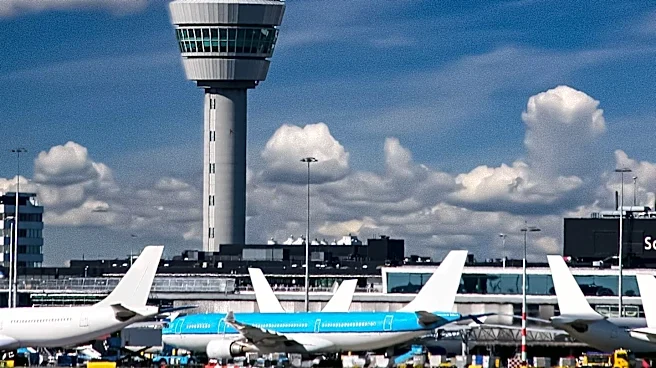
The District Court of The Hague ruled on September 23, 2026, rejecting challenges from Aviapartner, Menzies Aviation, and Swissport against Amsterdam Airport Schiphol's ground handling tender. This decision finalizes Schiphol's plan to reduce its ground handling companies
from six to three. The court also denied a request from Swissport's works council to join the proceedings. Schiphol initiated the tender in December 2025 to transition from an open ground handling market to a regulated concession model for baggage handling and apron services. In June 2026, dnata, KLM, and Viggo were provisionally selected. The unsuccessful incumbents raised objections concerning bid evaluation, KLM's dual role as an airline and ground handler, dnata's selection, and Viggo's staffing. The court dismissed these claims, making the provisional awards final. The new arrangement, effective March 28, 2027, allows airlines to choose among the three selected providers, with a focus on job-to-job continuity for employees through a shared mobility pool.
Why It's Important?
This court ruling has significant implications for the aviation industry, particularly for ground handling services at major European airports. The consolidation of ground handling operations at Schiphol Airport aims to streamline services, potentially improving efficiency and reducing operational complexities. However, it also means reduced competition, which could affect service quality, pricing, and labor conditions for the remaining ground handlers. For the airlines operating at Schiphol, the change means adapting to a new operational landscape with fewer choices for ground services. The emphasis on job-to-job continuity for employees of the unselected handlers highlights a commitment to mitigating the social impact of such a significant restructuring, aiming to preserve employment and working conditions as much as possible.
What's Next?
With the court's decision, airlines and the selected ground handlers (dnata, KLM, and Viggo) will now proceed with preparing new contracts and operational arrangements for the new setup, which is scheduled to commence on March 28, 2027. The shared mobility pool will be crucial in facilitating the transition for employees from the unselected companies to the three chosen providers, ensuring continuity in salary, working hours, and other conditions. This transition period will involve significant logistical and administrative efforts to ensure a smooth shift in ground handling operations without disrupting airport services. The long-term effects on service quality, efficiency, and competition at Schiphol will be closely monitored by industry stakeholders and regulatory bodies.
Beyond the Headlines
The decision by Schiphol Airport to move from an open market to a regulated concession model for ground handling reflects a broader trend in the aviation industry towards greater control and standardization of airport services. This shift can be driven by various factors, including security concerns, operational efficiency goals, and environmental considerations. While consolidation can lead to economies of scale and potentially better-coordinated services, it also raises questions about market concentration and potential monopolies. The legal challenges brought by the unselected companies underscore the competitive nature of the ground handling market and the significant financial stakes involved. This case could set a precedent for other airports considering similar restructuring, influencing how ground handling services are regulated and managed globally.