
What's Happening?
FIFA is embroiled in a new controversy following revelations from internal documents, as reported by French newspaper Le Monde. These documents indicate that FIFA's legal experts determined that DR Congo
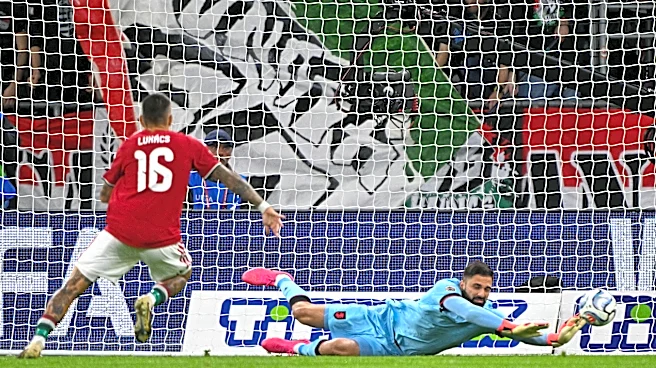
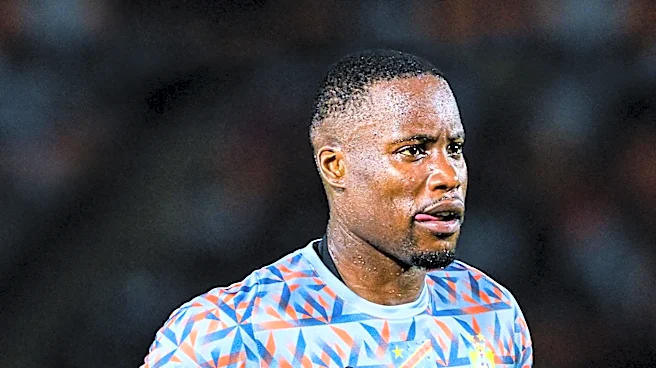
goalkeeper Lionel Mpasi was ineligible to play in crucial World Cup qualifying matches. Mpasi, born in France, had previously represented French youth national teams and needed to officially change his football association before playing for DR Congo. Although the process began in 2021, Le Monde's review of internal documents suggests it was never completed. Despite this, DR Congo was not sanctioned, and they went on to secure a spot in the World Cup after defeating Jamaica 1-0 in an intercontinental playoff. FIFA's legal team had reportedly advised initiating disciplinary proceedings against Mpasi and the Congolese federation, with potential penalties including forfeiture of matches, Mpasi's suspension, and financial fines. Nigeria's complaint regarding the eligibility was dismissed on procedural grounds and expired deadlines, allowing DR Congo to proceed.
Why It's Important?
This situation raises significant questions about the integrity of FIFA's qualification processes and the consistency of its disciplinary actions. The fact that FIFA's own legal experts identified an eligibility issue for a player in multiple World Cup qualifying matches, yet no sporting sanction was imposed, undermines the fairness of the competition. This could set a problematic precedent, potentially encouraging other national federations to take risks with player eligibility, knowing that procedural loopholes or delays might prevent penalties. The alleged political dimension, with a long-time associate of FIFA President Gianni Infantino preparing to lead the DR Congo football association at the time of the decision, further erodes trust in the organization's impartiality. This controversy impacts not only the teams directly involved but also the global perception of fair play and governance in international football.
What's Next?
The publication of these internal documents by Le Monde is likely to trigger further scrutiny and calls for transparency within FIFA. While FIFA has denied any interference by President Infantino and asserted the independence of its disciplinary bodies, the evidence presented may prompt external investigations or renewed pressure from member associations and the public. Nigeria, having had its initial complaint dismissed, might consider further legal avenues or appeals based on this new information. The DR Congo's participation in the upcoming World Cup could face renewed challenges, depending on the outcome of any further inquiries. FIFA will likely need to issue a more comprehensive explanation of its decision-making process in this case to restore confidence in its regulatory framework and ensure equitable treatment for all participating nations.
Beyond the Headlines
The deeper implications of this affair extend to the ethical responsibilities of international sports governing bodies. It highlights the tension between administrative rules and the pursuit of sporting success, especially when significant financial and national prestige are at stake. The case also brings into focus the power dynamics within FIFA and the potential for political influence to override established legal and disciplinary protocols. If allegations of undue influence are substantiated, it could lead to a crisis of legitimacy for FIFA, impacting its ability to govern global football effectively. Furthermore, it underscores the importance of independent journalism in holding powerful organizations accountable, even when they operate with complex internal structures and processes. The incident serves as a reminder that transparency and consistent application of rules are fundamental to maintaining the credibility of international sports competitions.