


What's Happening?
The Actor Awards, formerly known as the SAG Awards, are beginning to take shape for the 2027 season, with several prominent film and television performances being highlighted as potential contenders. In the film categories, Emily Blunt is noted for her
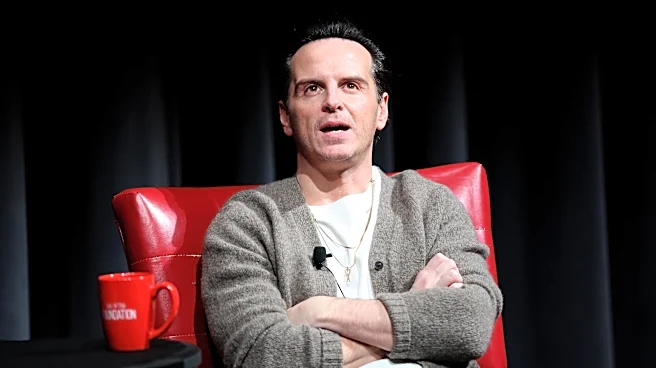
work in Steven Spielberg’s “Disclosure Day,” with Zendaya having two potential entries in “Dune: Part Three” and “The Drama.” For supporting actor, Andrew Garfield is a leading candidate for his portrayal of OpenAI chief Sam Altman in “Artificial.” Other notable film actors in contention include Andrew Scott for “Elsinore,” John Malkovich for “Wild Horse Nine,” Matt Damon for “The Odyssey,” Ryan Gosling for “Project Hail Mary,” and John Turturro for “The Only Living Pickpocket in New York.” The television categories are also seeing early predictions, with familiar faces and new shows vying for ensemble and individual acting honors. The nominating committee for these awards holds significant influence, particularly in addressing diversity concerns that have arisen in previous awards seasons.
Why It's Important?
The Actor Awards serve as a significant precursor and indicator for the broader awards season, including the Academy Awards. Nominations and wins at this ceremony can substantially boost a film or television show's visibility and an actor's chances for further accolades. The emphasis on the nominating committee's influence highlights the ongoing discussion within the entertainment industry regarding representation and diversity, particularly in response to past criticisms like #OscarsSoWhite. The selection of nominees can shape narratives around which performances and productions are celebrated, potentially influencing public perception and future industry trends. For actors, a nomination or win can elevate their career, leading to more prominent roles and increased industry recognition. The competition among established stars and emerging talents also reflects the dynamic nature of the acting landscape.
What's Next?
As the awards season progresses, the focus will shift towards the official nomination announcements for the Actor Awards. Following these announcements, campaigning efforts by studios and publicists for their nominated talent will intensify, aiming to sway voters. The eventual ceremony will reveal the winners, which will likely further solidify frontrunners for other major awards, including the Oscars and Emmys. The results will also provide insights into the preferences of the acting guild, which often aligns with or diverges from other voting bodies. Industry observers will be closely watching to see if the nominating committee addresses the diversity concerns raised, particularly in the context of recent Emmy outcomes. The performances recognized will likely gain increased attention from audiences and critics alike, potentially impacting their commercial success and cultural footprint.
Beyond the Headlines
The Actor Awards, by virtue of being voted on by actors themselves, often provide a unique perspective on performance appreciation within the industry. This peer recognition can carry a different weight than critical acclaim or box office success. The ongoing discussion about diversity, particularly the #OscarsSoWhite movement, underscores a broader societal conversation about representation in media and the responsibility of awards bodies to reflect a diverse range of talent and stories. The choices made by the nominating committee and the eventual winners can either reinforce existing industry biases or signal a shift towards more inclusive recognition. Furthermore, the success of certain films and TV shows in these awards can influence future production decisions, potentially encouraging studios to invest in similar projects or talent, thereby shaping the creative direction of Hollywood in the coming years.