
What's Happening?
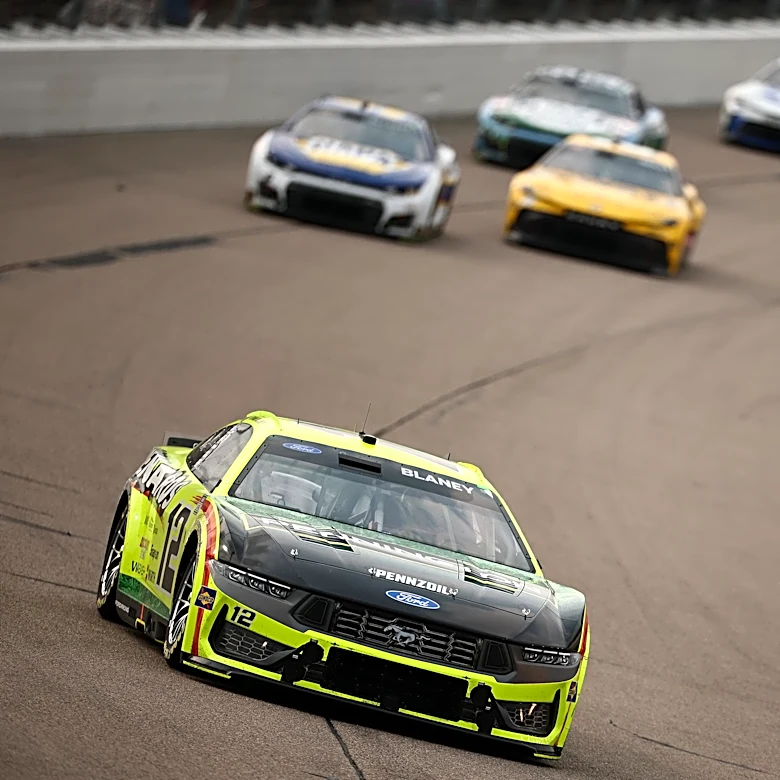
NASCAR recorded 14 sellouts during its 2026 Cup Series season, marking the highest number of sold-out races in a single season since 2006. This significant increase in attendance demonstrates a renewed fan interest in the sport, with packed stands observed
across various tracks nationwide. According to MotorBiscuit, this streak of attendance success spanned from the Daytona 500 to the final race at Homestead-Miami Speedway. Several tracks experienced notable turnarounds, such as Michigan International Speedway, which sold out for the first time since 2005. Pocono Raceway continued its momentum with a fourth consecutive year of sold-out crowds, and a new race weekend in San Diego also saw full attendance for both days of its event. Established races like the Daytona 500 achieved its 11th consecutive sellout, and the Coca-Cola 600 at Charlotte Motor Speedway extended its sellout streak to five years. Other tracks, including Texas Motor Speedway, Nashville Superspeedway, Richmond Raceway, Iowa Speedway, World Wide Technology Raceway, and Chicagoland Speedway, also reported sellouts, indicating broad-based fan engagement.
Why It's Important?
The surge in NASCAR sellouts in 2026 is crucial for the sport's long-term viability and public perception. For years, there were concerns about declining attendance and fan engagement. These numbers directly counter that narrative, proving that fans are willing to purchase tickets and attend races in person, even amidst economic considerations. This renewed interest suggests that the on-track product is resonating with audiences, which can lead to increased sponsorship opportunities, higher television viewership, and greater investment in the sport. The success at both established and newer venues indicates a healthy and expanding fan base, which is vital for NASCAR's growth. The sellouts at tracks like Michigan International Speedway, which had experienced a long dry spell, highlight the potential for revitalization across the circuit, benefiting local economies surrounding these venues through increased tourism and consumer spending.
What's Next?
The strong attendance figures from the 2026 season are likely to encourage NASCAR and track operators to continue investing in fan experience and race promotion. World Wide Technology Raceway has already announced that tickets for its 2027 events are on sale, with the NASCAR Cup Series race scheduled for August 22, signaling an expectation of continued demand. This positive trend could lead to further expansion of the race calendar, potentially including new venues or increased events at popular tracks. Stakeholders, including sponsors and broadcasters, will likely view these attendance numbers as a positive indicator, potentially leading to renewed or increased financial commitments to the sport. The industry will be closely watching the 2027 season to see if this momentum can be sustained, particularly at tracks that saw unexpected sellouts, as it will inform future strategic decisions regarding scheduling and marketing efforts.
Beyond the Headlines
The significant increase in NASCAR sellouts could signal a broader cultural shift in how live sporting events are consumed in the U.S. In an era dominated by digital entertainment, the desire for in-person experiences appears to be strong within the NASCAR fan base. This trend might reflect a yearning for community and shared experiences that live events provide, which cannot be fully replicated through digital platforms. The success could also prompt other sports leagues to re-evaluate their fan engagement strategies, particularly those that have faced similar attendance challenges. Furthermore, the economic impact on host communities, often in rural or semi-rural areas, could be substantial, providing a boost to local businesses and employment. This resurgence could also influence how NASCAR markets itself, potentially emphasizing the unique atmosphere and communal aspect of race day to attract an even wider audience.