





What's Happening?
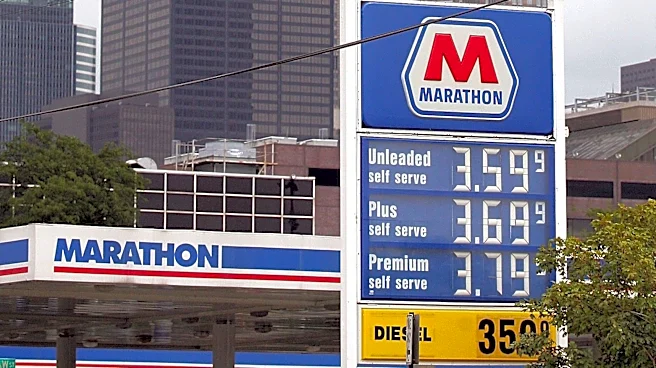
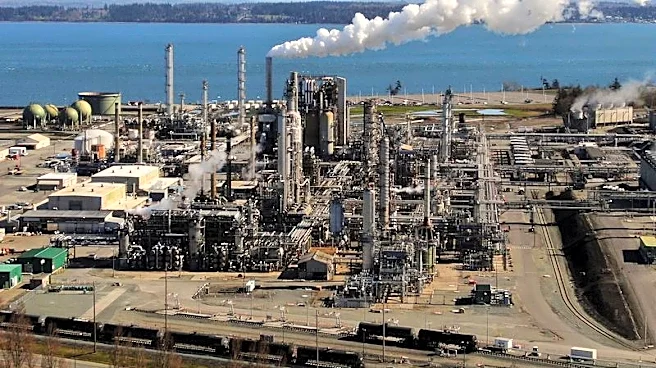
Marathon Petroleum (NYSE:MPC) has agreed to sell its St. Paul Park and Mandan refineries to CVR Energy for approximately $4.2 billion. This transaction includes associated midstream infrastructure and a regional marketing platform, marking a significant
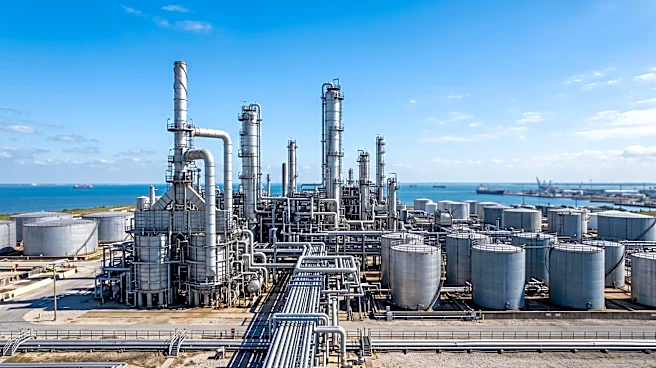
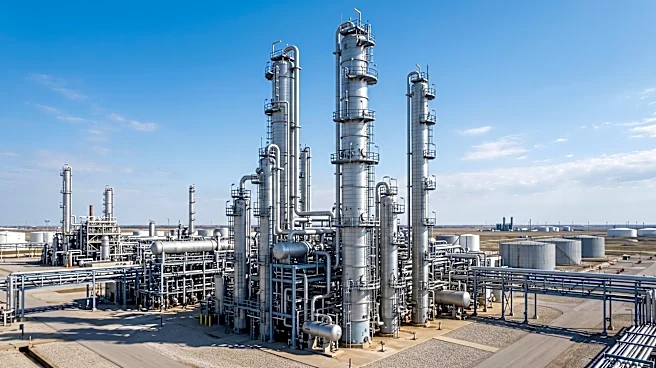
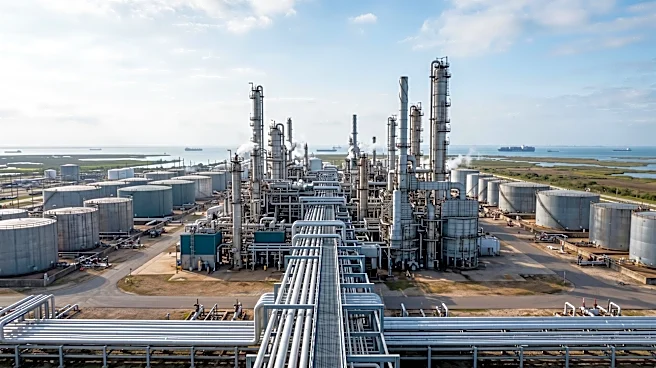
realignment of Marathon Petroleum's refining footprint. The proceeds from this sale are intended to shift the company's investment focus towards its Gulf Coast refining complex and related operations. This strategic move aims to concentrate capital into key facilities like Garyville, Galveston Bay, and El Paso, where upgrades and coordinated operations are already central to the company's strategy. Marathon Petroleum operates a large U.S. downstream network, converting crude oil into various fuels and related products.
Why It's Important?
This $4.2 billion refinery realignment is a pivotal strategic move for Marathon Petroleum, signaling a deliberate effort to optimize its asset portfolio and enhance efficiency. By divesting less central assets and focusing on its Gulf Coast operations, the company aims to leverage its high utilization, margin-focused refining system, supported by tight global capacity and low product inventories. This concentration of capital into fewer, larger hubs, particularly in the Gulf Coast, is expected to simplify cash flow management and potentially increase returns to shareholders through buybacks and dividends, similar to peers like Valero and Phillips 66. However, this strategy also reduces geographic diversification, making the company potentially more susceptible to regional policy risks, such as a diesel export ban or changes in crude spreads, which could have a more pronounced impact on the remaining, more concentrated system.
What's Next?
The completion of the sale to CVR Energy will allow Marathon Petroleum to reallocate capital and resources towards its Gulf Coast refining complex, potentially leading to further upgrades and operational efficiencies in those facilities. Investors will be watching to see how this streamlined footprint impacts the company's revenue and earnings forecasts, which analysts currently expect to temper over the next few years. The success of this realignment will depend on Marathon Petroleum's ability to maintain high utilization rates and strong margins in its remaining operations, especially given the reduced geographic diversification. The company's performance will also be influenced by the broader energy market, including crude oil prices and demand for refined products, as well as any future regulatory developments affecting the Gulf Coast region.
Beyond the Headlines
The strategic realignment by Marathon Petroleum reflects a broader industry trend towards optimizing asset portfolios in response to market dynamics, environmental regulations, and the energy transition. By focusing on its most efficient and strategically located assets, Marathon Petroleum is positioning itself for long-term sustainability in a challenging and evolving energy landscape. This move also highlights the increasing importance of capital allocation decisions in the refining sector, where companies must balance operational efficiency with regulatory compliance and shareholder returns. The potential for increased policy risks due to reduced geographic diversification underscores the complex interplay between business strategy, market forces, and governmental oversight in the energy industry.