








What's Happening?
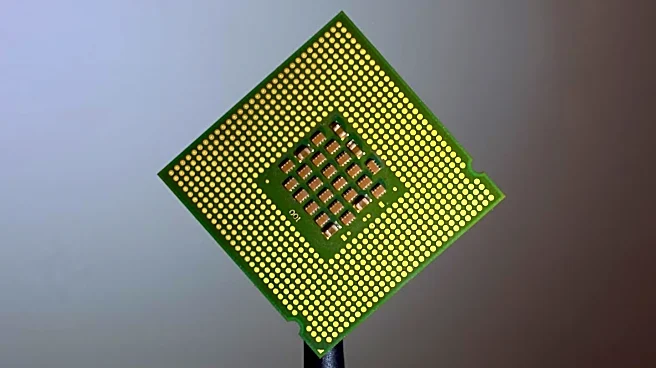
Intel is reportedly planning to restart the supply of its 10th, 12th, 13th, and 14th generation processors in mainland China to meet market demand. This move comes as DDR4-compatible motherboards are being produced in greater quantities due to the high
cost of DDR5 memory, which has made building DDR5 systems on a budget challenging. The decision to focus on older generation processors is aimed at addressing the current market needs and ensuring sufficient supply of affordable components. Intel's strategy includes increasing production of its 13th and 14th generation processors globally, while also reintroducing the 10th and 12th generation CPUs specifically for the Chinese market.
Why It's Important?
Intel's decision to restart the supply of older processors highlights the ongoing challenges in the PC hardware market, particularly the affordability of DDR5 systems. By focusing on DDR4-compatible processors, Intel aims to provide cost-effective solutions for consumers and manufacturers. This strategy could help stabilize the market and support smaller vendors who may struggle with the high costs associated with newer technologies. Additionally, it reflects Intel's adaptability in responding to market demands and its commitment to maintaining a competitive edge in the global processor market.
What's Next?
As Intel resumes the supply of older processors, it is expected to collaborate with motherboard vendors to ensure a steady supply of DDR4 platforms. This move could lead to increased availability of affordable PC components, benefiting consumers and manufacturers alike. Intel's continued focus on its Raptor Lake NEXT processors and the introduction of new SKUs could further enhance its market position. The company's ability to balance the supply of older and newer technologies will be crucial in navigating the current market dynamics and meeting consumer expectations.