



What's Happening?
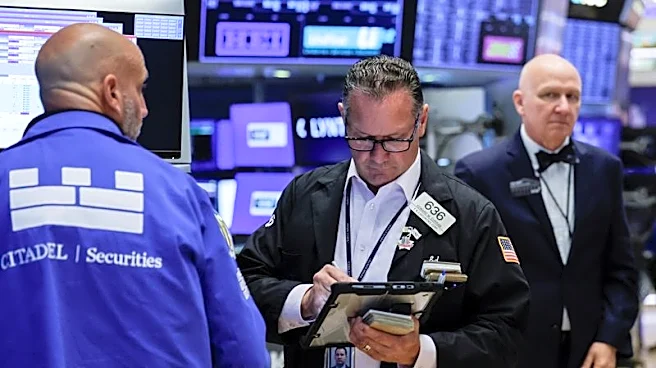
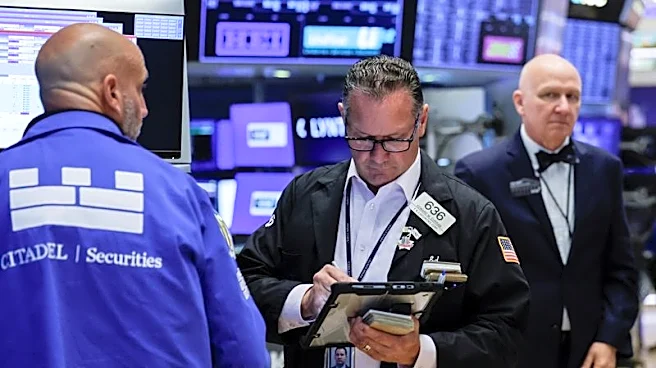
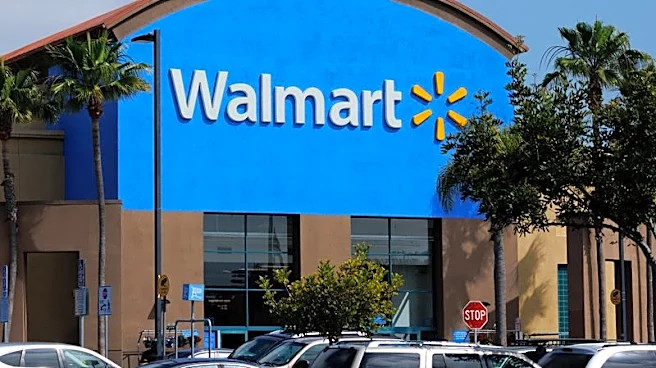
Walmart's stock experienced a decline following its recent earnings report, a reaction attributed to elevated market expectations and a deceleration in same-store sales for Walmart U.S. Despite the company's strong performance over the past two years,
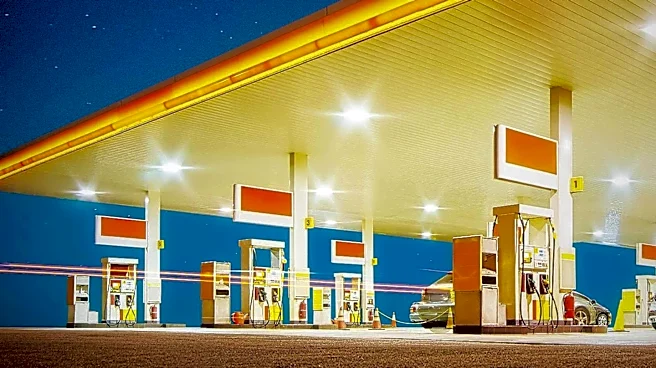
with consistent outperformance against estimates, the latest quarter did not meet the high bar set by Wall Street analysts. Walmart U.S., which is the primary driver of the company's business, saw its same-store sales growth slow compared to the previous quarter. Walmart CFO John David Rainey noted that the company has observed some incremental pressure on consumers, particularly with higher gas prices impacting purchasing decisions. Consumers are becoming more selective and making trade-offs, which has influenced sales. The market's reaction suggests that while the quarter was not fundamentally poor, it failed to align with the aggressive growth projections that had been built into the stock's valuation.
Why It's Important?
The market's reaction to Walmart's earnings highlights the significant influence of investor expectations on stock performance, even for fundamentally strong companies. For the U.S. retail sector, Walmart's experience signals potential headwinds as consumer spending shows signs of strain due to factors like higher gas prices and inflation. This could indicate a broader trend where even resilient retailers might face challenges in maintaining previous growth rates. The deceleration in Walmart U.S. same-store sales suggests that consumers are becoming more cautious, which could impact other retail businesses and consumer discretionary sectors. This situation also underscores the ongoing competitive pressures in retail, with companies like Amazon and Whole Foods continuing to vie for market share. Investors and analysts may need to recalibrate their expectations for retail giants, considering the evolving economic landscape and consumer behavior.
What's Next?
Walmart will likely continue to monitor consumer spending patterns closely, especially in response to fluctuating gas prices and overall inflation. The company's strategy may involve further emphasizing value and affordability to cater to more 'choiceful' customers. Retail analysts will be scrutinizing upcoming earnings reports from other major retailers to determine if Walmart's experience is an isolated event or indicative of a broader slowdown in consumer spending across the U.S. The company's ability to adapt to these consumer pressures and maintain its competitive edge against rivals like Amazon will be crucial for its future stock performance. Investors will be looking for signs of stabilization or improvement in U.S. same-store sales growth in subsequent quarters to regain confidence.
Beyond the Headlines
The market's response to Walmart's earnings report delves deeper into the psychological aspects of financial markets and the often-unrealistic expectations set by analysts. The idea that a 'great quarter' can lead to a stock drop due to missing an arbitrary spreadsheet-generated number highlights a potential disconnect between fundamental business health and short-term market sentiment. This scenario raises questions about the efficacy of current financial reporting and analysis methods, particularly the reliance on precise earnings estimates. It also underscores the broader economic narrative where even slight shifts in consumer behavior, influenced by factors like gas prices, can have significant ripple effects across the retail industry. This situation could prompt a re-evaluation of how companies communicate their performance and how investors interpret financial data, moving beyond mere numerical targets to a more holistic understanding of business health and market dynamics.