






What's Happening?
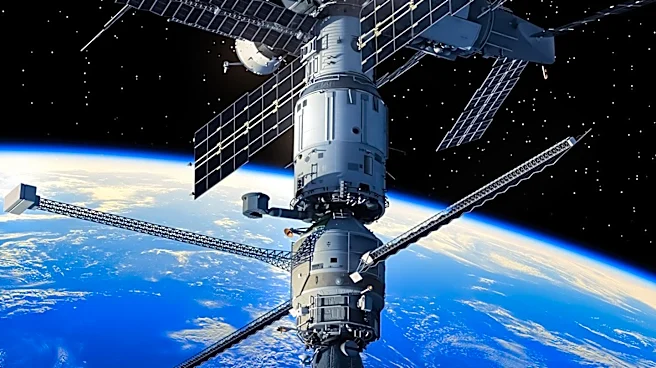
Axiom Space is currently offering orbital missions to the International Space Station (ISS) at a cost of approximately $55 million per seat. This price covers a comprehensive package for a mission lasting between 10 to 14 days. The all-inclusive fare
includes transportation via SpaceX Dragon spacecraft, the duration of the stay aboard the International Space Station, extensive pre-mission training conducted at NASA Johnson Space Center, and full mission support throughout the entire process. Axiom Space has been a prominent operator in commercial ISS missions, providing individuals with the opportunity for extended stays in Earth orbit. This pricing structure positions orbital space tourism as a premium experience, significantly more expensive than suborbital flights offered by other companies, which typically range from $150,000 to $750,000.
Why It's Important?
The pricing of Axiom Space's orbital missions highlights the significant investment and complexity involved in human spaceflight to the ISS. At $55 million per seat, these missions are accessible only to a very select group of ultra-high-net-worth individuals, underscoring the nascent stage of commercial orbital space tourism. This high cost reflects the advanced technology, extensive training, and logistical support required for safe and successful orbital travel and habitation. The availability of such missions, despite their cost, signifies a growing commercialization of space, offering private citizens opportunities previously exclusive to government-sponsored astronauts. This trend could drive further innovation in space travel, potentially leading to cost reductions and increased accessibility in the long term as more private entities enter the market and technologies mature. It also establishes a benchmark for the value placed on extended human presence in space.
What's Next?
As Axiom Space continues to operate commercial missions to the ISS and develops its own commercial space station, the future could see a diversification of orbital space tourism offerings. While current prices remain high, advancements in reusable rocket technology and increased competition among private space companies may eventually lead to a reduction in costs, making orbital space travel more accessible to a broader demographic. Axiom Space's plans for its own space station could also introduce new mission profiles and durations, potentially offering different price points. The ongoing development of space tourism infrastructure and services will likely attract more investment and innovation, further shaping the commercial space industry. Future developments may also include more specialized orbital experiences, such as longer stays or unique research opportunities.
Beyond the Headlines
The substantial cost of orbital space tourism raises ethical and societal questions about access to space and the potential for a new form of exclusive luxury travel. While it represents a significant technological achievement, it also highlights the disparity in global wealth. The involvement of private companies like Axiom Space in operating missions to the ISS also signifies a shift in the operational model of space exploration, moving towards greater public-private partnerships. This could lead to more efficient resource utilization and faster technological development, but also necessitates clear regulatory frameworks to ensure safety, sustainability, and equitable access to space resources. The long-term implications include the potential for space to become a new frontier for economic activity, scientific research, and even permanent human settlement, driven by commercial interests.