







What's Happening?
Several towns in Maine are highlighted as ideal destinations for stress-free weekend retreats, offering a variety of experiences from coastal relaxation to historical exploration. Kennebunkport, located less than 90 miles from Boston, provides a luxury
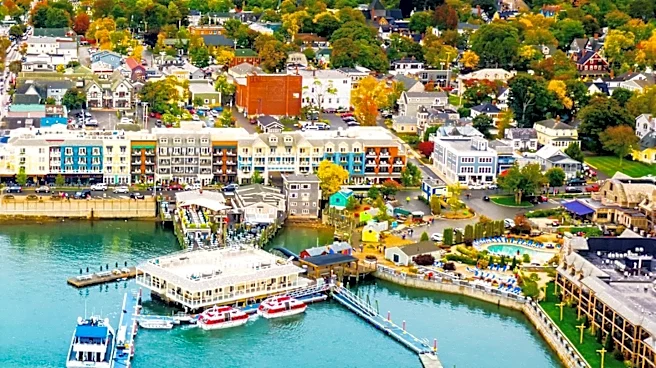
escape with ocean views and historical inns, having been a summer destination for the affluent since the 20th century, including President George H. W. Bush. Rockland, on West Penobscot Bay, offers a classic New England coastal community with a working harbor, a granite breakwater, and a vibrant downtown featuring local restaurants and luxury accommodations. Old Orchard Beach, known for its 7 miles of sandy beach and New England's only beachfront amusement park, offers a blend of historical charm and modern entertainment. Freeport is recognized for its retail therapy, being home to the L.L. Bean flagship store and various outlet shops, alongside historical sites and Nordic-style spa experiences. Wiscasset, a deep-water harbor town, boasts historical mansions and is famous for its lobster rolls. Boothbay Harbor provides access to the Gulf of Maine, commercial lobstering, and unique seafood experiences like Cabbage Island Clam Bakes. Belfast, with its preserved 19th-century commercial district, offers independently owned shops and historical walking tours. Bar Harbor, a Gilded Age summer destination, provides access to Acadia National Park's hiking trails and scenic coastal views. Lastly, Lubec, the easternmost point of the continental United States, features the candy-striped West Quoddy Head Lighthouse and historical smokehouses.
Why It's Important?
The availability of diverse stress-free weekend retreats in Maine is important for the U.S. tourism industry, particularly for states in the Northeast. These destinations cater to a wide range of preferences, from luxury getaways to outdoor adventures and historical explorations, thereby attracting a broad demographic of travelers. The economic impact on these small towns is significant, as tourism supports local businesses, including hotels, restaurants, shops, and service providers. The preservation of historical sites and natural landscapes, such as the Rockland Breakwater Lighthouse and Acadia National Park, contributes to the cultural and environmental heritage of the region, offering educational and recreational value to visitors. Furthermore, the emphasis on relaxation and unplugging addresses a growing societal need for mental well-being and stress reduction, providing accessible options for individuals and families seeking respite from urban environments. The varied offerings ensure that Maine remains a competitive destination in the U.S. travel market, fostering sustainable tourism and local economic growth.
What's Next?
These Maine towns will likely continue to enhance their tourism infrastructure and offerings to attract more visitors. This could include further development of unique accommodations, expansion of culinary experiences, and promotion of local arts and crafts. Marketing efforts may focus on highlighting specific seasonal attractions, such as fall foliage tours or winter sports, to extend the tourism season beyond the traditional summer months. Local communities may also invest in improving accessibility and sustainability practices to cater to a wider audience and preserve their natural resources. Collaboration between local businesses and tourism boards could lead to curated retreat packages that combine various activities, such as spa treatments, outdoor excursions, and historical tours. Additionally, as remote work becomes more prevalent, these towns might see an increase in visitors seeking longer stays or even permanent relocation, further boosting local economies and potentially influencing housing markets and community services.
Beyond the Headlines
Beyond the immediate economic benefits, the popularity of these stress-free retreats in Maine reflects a broader cultural shift towards prioritizing well-being and authentic experiences. In an increasingly fast-paced and digitally connected world, there is a growing desire for destinations that offer opportunities to disconnect, reconnect with nature, and engage in slower-paced activities. The emphasis on historical preservation in towns like Kennebunkport and Belfast speaks to a societal appreciation for heritage and the stories embedded in these places. The diverse range of activities, from rugged hikes in Acadia National Park to tranquil moments by the sea, caters to different forms of self-care and personal rejuvenation. This trend also highlights the importance of regional tourism in the U.S., where local economies can thrive by offering unique, character-rich experiences that differentiate them from larger, more commercialized destinations. The success of these towns could serve as a model for other regions looking to leverage their natural beauty and historical assets for sustainable development.