
What's Happening?
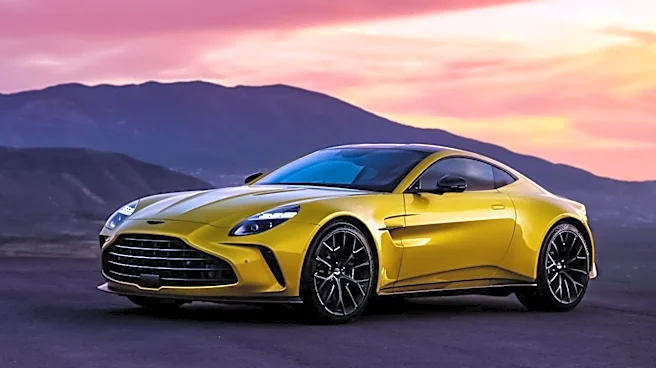
Aston Martin's CEO, Adrian Hallmark, has announced a significant delay in the company's plans to release its first pure electric vehicle (EV). Originally slated for a 2025 reveal, the timeline first shifted
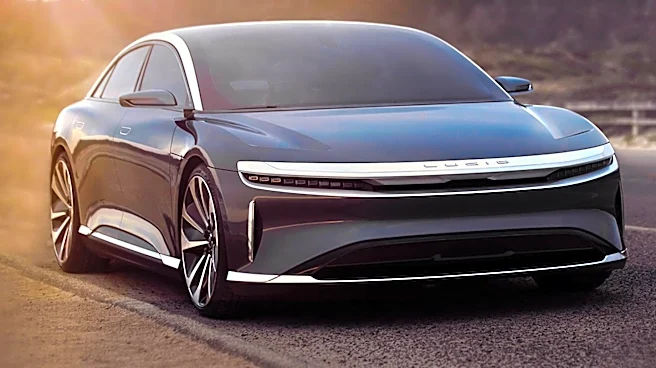
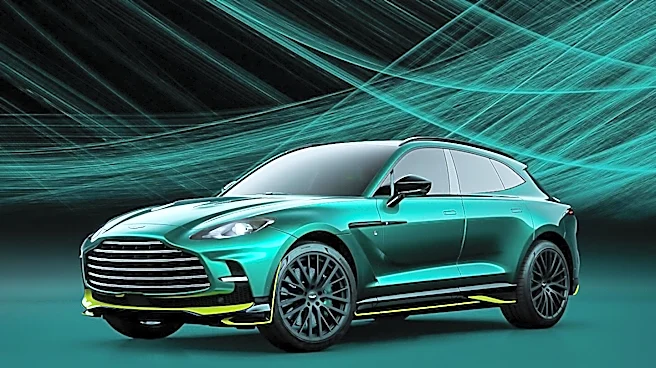
to 2027, and now Hallmark indicates a launch window closer to the 2035 legislative deadline, potentially as late as 2033. Hallmark stated that the company sees no demand-side reason to electrify and intends to continue producing V8 and V12 engines for as long as regulations permit. He emphasized that Aston Martin will only build an EV when legally mandated. While hybridization is being considered to extend the life of internal combustion powertrains, plug-in hybrids are unlikely due to weight penalties. The company has a partnership with Lucid, which holds a 3.7% stake, and plans to deepen its collaboration with Mercedes-Benz for electric drivetrains and electronic systems.
Why It's Important?
This decision by Aston Martin highlights a broader tension within the automotive industry regarding the pace of EV adoption, particularly in the luxury and performance segments. While many manufacturers are aggressively transitioning to electric, Aston Martin's stance suggests a belief that a significant portion of its high-end customer base still prefers traditional internal combustion engines. This could impact the competitive landscape, as other luxury brands push forward with electrification. The delay also reflects the challenges and costs associated with developing new EV platforms, especially for smaller, specialized manufacturers. By leveraging partnerships with Lucid and Mercedes-Benz, Aston Martin aims to mitigate some of these development burdens, but the extended timeline could put them at a disadvantage in markets with rapidly evolving EV mandates and consumer preferences.
What's Next?
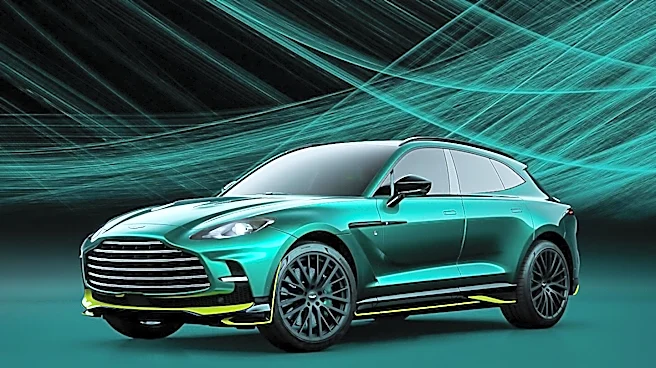
Aston Martin will continue to focus on its V8 and V12 engine offerings, potentially incorporating hybridization to meet evolving emissions standards without fully committing to plug-in technology. The company will monitor legislative developments closely, particularly the 2035 deadline for EV mandates, to determine the precise timing of its first pure EV launch. The partnerships with Lucid and Mercedes-Benz are expected to deepen, providing Aston Martin with access to advanced electric powertrain and electronic systems when they eventually decide to enter the EV market. This strategy allows Aston Martin to defer significant EV development costs while assessing market demand and technological advancements, but it also carries the risk of falling behind competitors who are investing heavily in electrification now.
Beyond the Headlines
Aston Martin's strategy raises questions about the long-term viability of niche luxury automakers in a rapidly electrifying world. Their reliance on legislative pressure rather than market demand to drive EV development could be a calculated risk, betting that the emotional appeal of high-performance internal combustion engines will persist among their clientele. However, it also underscores the potential for a two-tiered automotive market, where some luxury brands might cater to a shrinking but dedicated segment of traditionalists, while others embrace the electric future. This approach could also influence regulatory discussions, as manufacturers lobby for flexibility in EV mandates, citing unique market conditions or technological challenges. The ethical implications of delaying environmental initiatives for business reasons could also become a point of public discussion.