




What's Happening?
Gwynne Shotwell, President and COO of SpaceX, is at the forefront of the company's evolving strategic direction, which now heavily emphasizes artificial intelligence and the ambitious goal of deploying orbital data centers. Shotwell, who joined SpaceX in 2002
as its seventh employee, has historically been instrumental in translating Elon Musk's visionary ideas into commercially viable ventures. Her role involves securing contracts, managing costs, and ensuring operational feasibility. Currently, she faces the complex challenge of integrating AI into SpaceX's core business model, including the development of the Grok AI model and the establishment of large-scale data centers. This shift comes as SpaceX has begun leasing its computing power to other AI companies like Anthropic and Google, generating significant revenue but also raising questions about aiding competitors. Shotwell is tasked with balancing these new revenue streams with SpaceX's long-term AI ambitions, particularly Musk's vision for space-based AI infrastructure.
Why It's Important?
Shotwell's leadership in this new phase is critical for SpaceX's future trajectory and its position within the rapidly expanding AI and space technology sectors. Her ability to pragmatically assess and execute Musk's ambitious plans has been a cornerstone of SpaceX's success, from reusable rockets to the Starlink network. The current pivot towards AI, especially orbital data centers, represents a significant capital expenditure and technological hurdle. If successful, it could redefine space utilization and AI infrastructure, offering unprecedented computing capabilities with potential advantages in energy and cooling. However, the high costs, technical complexities, and long-term return on investment for orbital AI present substantial risks. Shotwell's strategic decisions will determine whether SpaceX can maintain its profitability and innovation leadership while venturing into these uncharted territories, impacting not only the company but also the broader aerospace and tech industries.
What's Next?
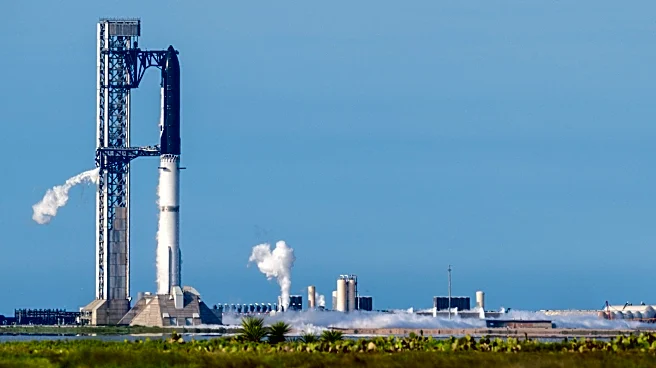
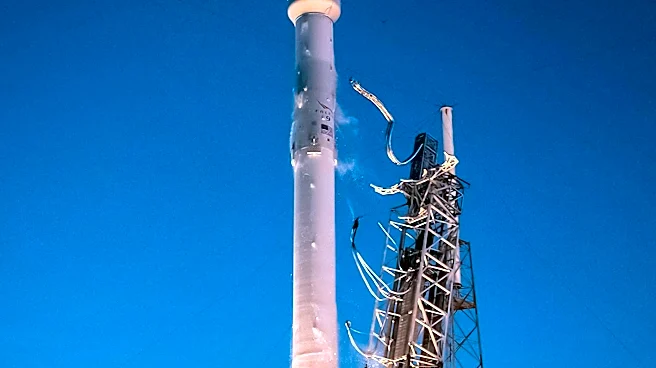
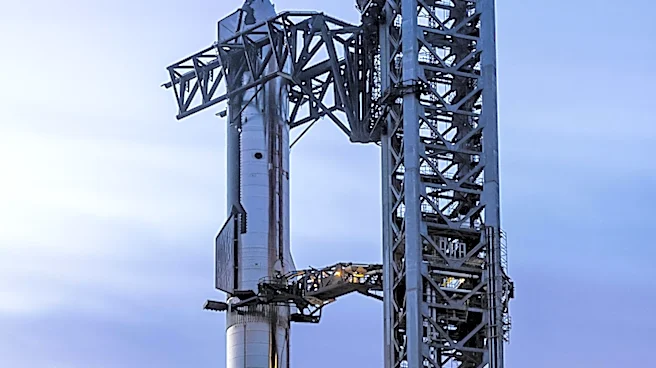
SpaceX is actively pursuing the development of orbital AI satellites, with Shotwell pushing for an initial launch as early as 2027. This initiative will require overcoming significant technical challenges, such as heat dissipation in space, radiation resistance for hardware, and reducing launch costs to under $200 per kilogram via Starship. Concurrently, SpaceX will continue to manage its existing computing power leasing agreements, which provide substantial monthly revenue but also necessitate a careful balance between short-term financial gains and long-term competitive AI development. The company's internal AI projects, such as Grok, will need to demonstrate significant progress to justify the shift in focus and investment. Stakeholders, including investors and competitors, will closely watch Shotwell's ability to navigate these complex technical and commercial landscapes, particularly her capacity to temper Musk's more radical proposals with realistic execution strategies.
Beyond the Headlines
The strategic direction under Shotwell's guidance could trigger profound shifts in how AI infrastructure is conceived and deployed. Moving data centers to orbit presents not only engineering marvels but also raises ethical and regulatory questions regarding space debris, spectrum allocation, and the militarization of space. The long-term implications include potential geopolitical advantages for nations capable of deploying such infrastructure, as well as new paradigms for data sovereignty and global connectivity. Furthermore, the financial model of leasing computing power to competitors, while lucrative in the short term, could inadvertently accelerate the progress of rival AI models, creating a complex competitive dynamic for SpaceX's own AI ambitions. Shotwell's challenge extends beyond mere business execution; it involves shaping the future of space-based technology and its societal impact.