







What's Happening?
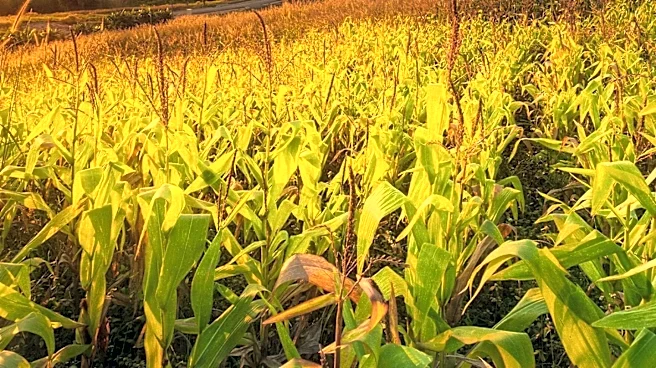
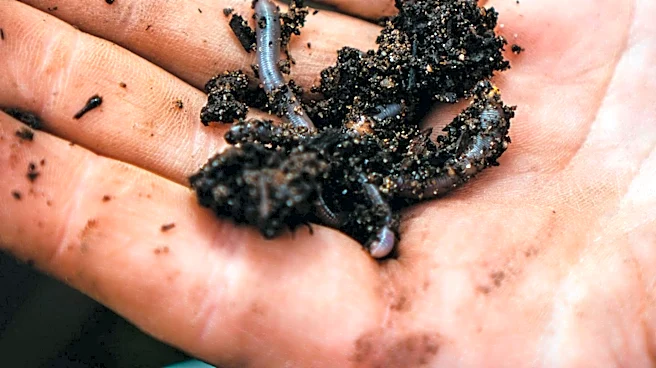
Puratos, a company based in Pennsauken, NJ, is intensifying its efforts in regenerative agriculture by focusing on soil health as a central component of its wheat sourcing strategy. The company plans to enroll approximately 30% of its wheat flour volumes
into mass balance regenerative agriculture programs, aiming to increase this to 50% by 2030. This initiative is part of a broader goal to support regenerative agriculture across 50% of its global flour volumes, with a complete commitment in Europe and 25% in other regions. Puratos collaborates with farmers, cooperatives, and milling partners to implement practices such as crop rotation, reduced tillage, and cover cropping. These efforts are expected to contribute to a 30% reduction in CO2 emissions. The company defines regenerative agriculture as a farming approach that enhances soil health, biodiversity, and water management, creating long-term value for farmers and communities.
Why It's Important?
The initiative by Puratos to focus on regenerative agriculture is significant as it addresses critical environmental and sustainability challenges in the agricultural sector. By improving soil health and reducing carbon emissions, Puratos is contributing to the fight against climate change and promoting sustainable farming practices. This approach not only benefits the environment but also supports farmers by enhancing the long-term viability of their operations. The commitment to regenerative agriculture can lead to more resilient supply chains and potentially influence other companies in the food industry to adopt similar practices. As consumer demand for sustainable products grows, Puratos' strategy positions it as a leader in the movement towards environmentally responsible sourcing.
What's Next?
Puratos plans to expand its regenerative agriculture program to include other ingredients such as cocoa, sugar, and fruits. This expansion could further enhance the company's sustainability credentials and influence broader industry practices. As Puratos works towards its 2030 goals, it may face challenges such as scaling these practices across different regions and ensuring consistent implementation. The company's progress will likely be monitored by industry stakeholders, including environmental groups and consumers, who are increasingly prioritizing sustainability in their purchasing decisions. Continued collaboration with supply chain partners will be crucial for achieving these ambitious targets.