







What's Happening?
Florida's luxury resort scene is expanding, offering a variety of high-end experiences for different types of travelers. The Conrad Fort Lauderdale Beach Resort provides family-friendly, all-suite accommodations with gourmet kitchens, Italian marble bathrooms,
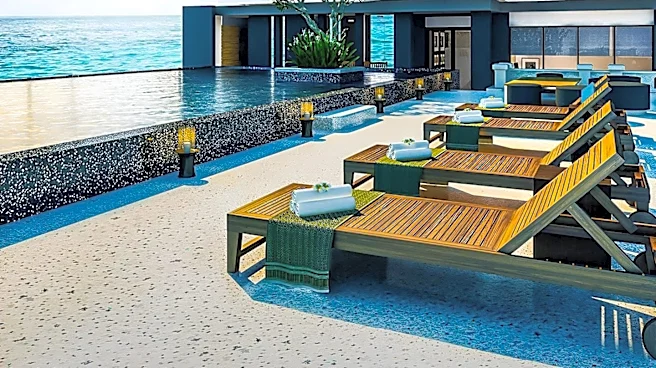
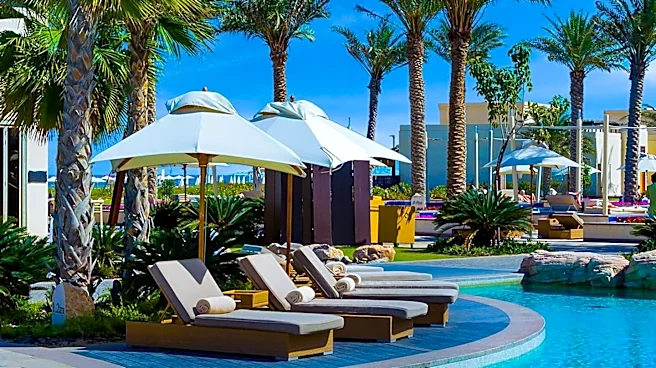
and private balconies. It features a sixth-floor Sky Deck with a heated pool, daily yoga, bike rentals, and beach service, alongside dining options like Vitolo, an Italian restaurant. In Orlando, The Alfond Inn, a AAA Four Diamond hotel in Winter Park, offers 183 rooms with Florida-inspired decor and boasts an art collection from the Rollins Museum of Art. It also includes a spa with experiential showers, a sauna, steam room, and private pool. The Eau Resort & Spa in Palm Beach caters to luxury coastal escapes with two oceanfront pools, a private beach, and an award-winning spa, alongside a Kids & Teens Club. Cabot Citrus Farms in Brooksville, a 1,200-acre resort, provides luxury cottages and a wide array of activities including golf, bass fishing, axe throwing, and pickleball, with various dining choices.
Why It's Important?
The growth and diversification of luxury resorts in Florida are significant for the U.S. tourism industry, particularly in attracting both domestic and international visitors seeking high-end travel experiences. These developments contribute to the state's economy through job creation in hospitality, increased local spending, and enhanced tax revenues. The focus on family-friendly amenities, as seen at the Conrad Fort Lauderdale, and specialized offerings like the art collection at The Alfond Inn or the extensive activities at Cabot Citrus Farms, broadens Florida's appeal beyond traditional theme park tourism. This strategic expansion helps position Florida as a versatile luxury destination, catering to couples, families, and individuals seeking relaxation, cultural enrichment, or active retreats. The investment in such properties also signals confidence in the long-term viability and growth of Florida's tourism sector, potentially influencing future development trends in other U.S. travel hotspots.
What's Next?
The continued expansion and refinement of luxury resort offerings in Florida are expected to attract a broader demographic of travelers, further solidifying the state's position as a premier U.S. vacation destination. Resorts will likely continue to innovate with unique amenities and experiences to differentiate themselves in a competitive market. This could include more personalized services, integration of local culture and cuisine, and enhanced wellness programs. The success of these luxury properties may also encourage further investment in infrastructure and related services in their surrounding areas, leading to regional economic growth. Additionally, as traveler preferences evolve, there may be a greater emphasis on sustainable tourism practices and technology integration within these high-end resorts to meet changing consumer demands and maintain their appeal.
Beyond the Headlines
The proliferation of luxury resorts in Florida reflects a broader trend in the U.S. travel industry towards experiential and niche tourism. Beyond economic impacts, these developments can influence local communities by shaping their identity and attracting a specific type of resident or visitor. The emphasis on curated experiences, from art tours to specialized sports, suggests a shift from generic vacations to more immersive and personalized journeys. This trend also raises questions about accessibility and exclusivity, as these luxury offerings cater to a higher-income demographic. Furthermore, the architectural and design choices of these resorts, often reflecting local aesthetics or incorporating sustainable elements, can set new standards for development in coastal and urban areas, potentially influencing future urban planning and environmental considerations in popular tourist regions.