




What's Happening?
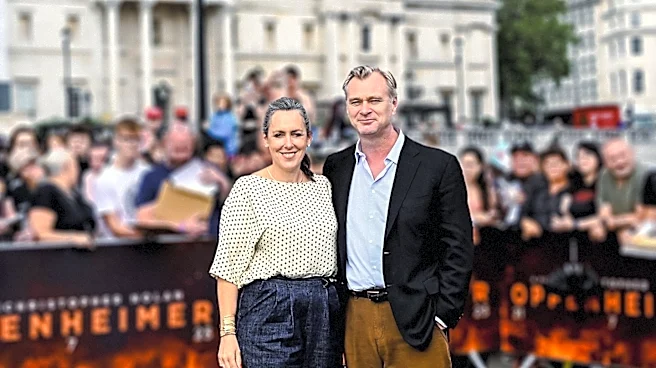
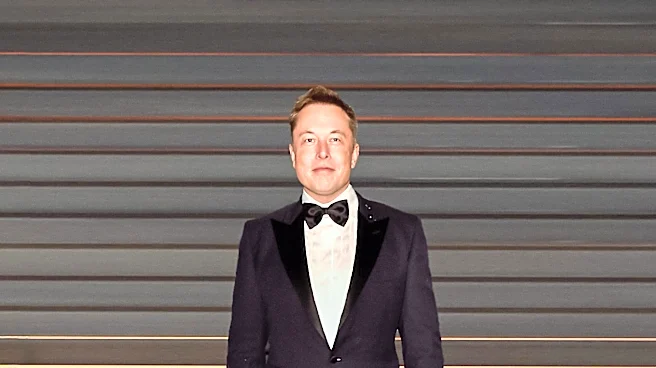
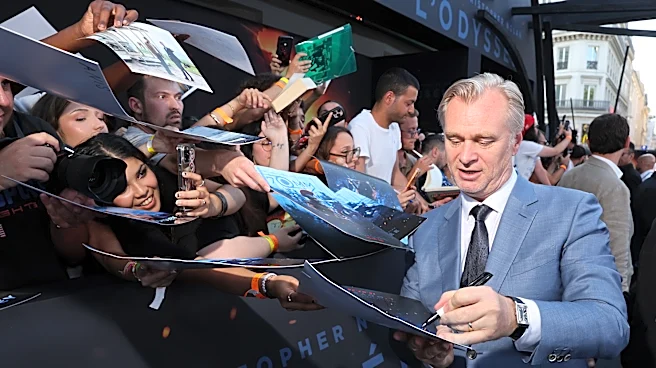
Elon Musk has announced that his AI platform, Grok Imagine, will produce a 'historically accurate' adaptation of Homer's Odyssey. This announcement follows Musk's criticism of Christopher Nolan's recent film adaptation, which he has targeted for its casting
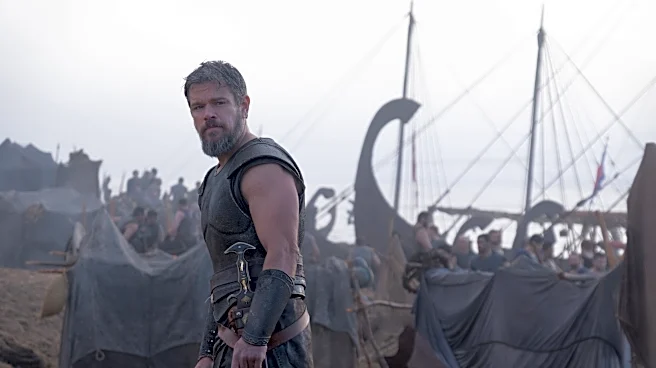
choices. Musk's version aims to stay true to the original text, contrasting with Nolan's film, which features a diverse cast including Matt Damon and Anne Hathaway. Despite Musk's criticisms, Nolan's film has been successful, achieving high box office earnings and positive audience ratings. The debate highlights ongoing discussions about representation and authenticity in film adaptations.
Why It's Important?
Musk's announcement reflects the increasing role of artificial intelligence in creative industries, particularly in film production. The use of AI to create a 'historically accurate' adaptation raises questions about the balance between technological innovation and artistic interpretation. This development also touches on broader cultural debates about representation and diversity in media, as Musk's criticisms of Nolan's casting choices have sparked discussions about inclusivity in storytelling. The project could influence future film productions, potentially setting a precedent for how AI is used in the industry.
Beyond the Headlines
The use of AI in film-making poses ethical and creative challenges, as it may alter traditional roles and processes in the industry. While AI can offer new possibilities for storytelling, it also raises concerns about the potential loss of human creativity and the authenticity of AI-generated content. Additionally, the cultural implications of Musk's project highlight the ongoing tension between historical accuracy and modern representation, prompting further reflection on how stories from the past are adapted for contemporary audiences.