





What's Happening?
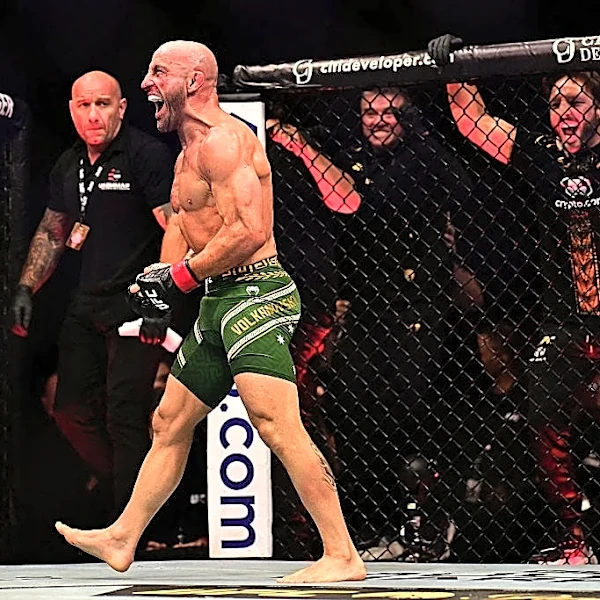
All Elite Wrestling (AEW) and wrestler Jon Moxley have been denied their request to move a civil lawsuit from Michigan to Florida. The lawsuit was filed by former AEW production crew member Christopher Dispensa, who alleges that Moxley pushed him to the floor
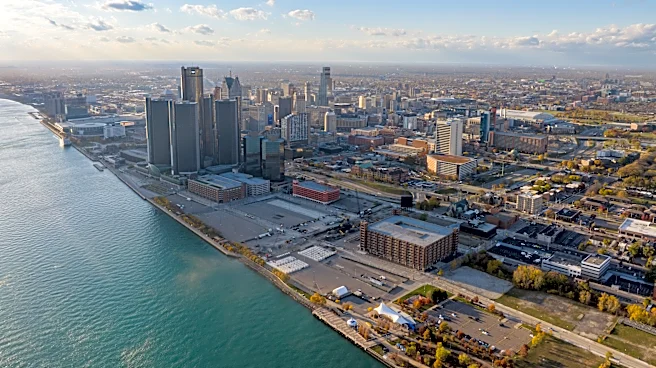
during a May 2023 match against Kenny Omega at Little Caesars Arena in Detroit. Dispensa claims this incident caused severe neck and shoulder injuries requiring surgery. Wayne County Judge Catherine Heise rejected the motion to transfer the case, ruling that Michigan remains the appropriate venue. The judge cited several factors, including the location of the alleged incident, the arena, and numerous potential fact witnesses in Detroit. She also noted that medical witnesses in Florida could provide remote testimony, reducing the need for a venue change. Furthermore, the judge expressed concerns about the timing of AEW and Moxley's request, which was filed nearly 10 months after they responded to Dispensa's complaint. The lawsuit includes claims of civil assault and battery against Moxley, as well as negligence and gross negligence against both Moxley and AEW, along with accusations of negligent hiring, training, supervision, and retention against the promotion.
Why It's Important?
This ruling is significant for AEW and Jon Moxley as it means the legal proceedings will continue in Michigan, potentially increasing logistical and legal costs for the defendants. The decision underscores the importance of the location where an alleged incident occurs in determining legal jurisdiction, even when defendants or plaintiffs have ties to other states. For Dispensa, the ruling ensures the case remains in the jurisdiction where the alleged injury took place, which could be seen as advantageous for presenting evidence and witness testimony. The lawsuit itself highlights the potential liabilities wrestling promotions and performers face regarding the safety of their production staff. The outcome of this case could set precedents for how similar incidents involving on-set or backstage personnel are handled legally within the professional wrestling industry, potentially influencing safety protocols and contractual agreements for crew members in the future. The ongoing legal battle also brings negative publicity to AEW and Moxley, regardless of the eventual verdict.
What's Next?
The lawsuit will proceed in Michigan, with a second court-supervised settlement conference scheduled for December 22, 2026. This indicates that both parties are still exploring the possibility of resolving the dispute outside of a full trial. If a settlement is not reached, the case will move towards further legal proceedings, including discovery and potentially a trial. The judge's ruling does not determine liability, meaning Moxley and AEW are not yet found responsible for Dispensa's alleged injuries. The legal team for AEW and Moxley will need to prepare their defense within the Michigan court system, potentially calling witnesses from the Detroit area. Conversely, Dispensa's legal team will continue to build their case, leveraging the local jurisdiction. The outcome of the settlement conference will be a critical next step in determining whether this case will proceed to a full trial or be resolved through negotiation.
Beyond the Headlines
This case delves into the broader legal responsibilities of entertainment companies towards their production staff, particularly in physically demanding environments like professional wrestling. It raises questions about the extent of duty of care owed to individuals working behind the scenes during live events. The allegations of negligent hiring, training, supervision, and retention against AEW suggest a deeper scrutiny into the company's internal policies and practices regarding employee safety and conduct. Should Dispensa's claims be substantiated, it could prompt a re-evaluation of industry standards for protecting crew members from potential harm caused by performers or during the course of production. This could lead to more stringent safety protocols, clearer guidelines for performer-staff interactions, and potentially increased insurance requirements for wrestling promotions. The case also highlights the complexities of legal jurisdiction in a national industry, where incidents can occur in one state while companies and individuals have primary residences or operations in others, impacting where justice is sought and administered.