






What's Happening?
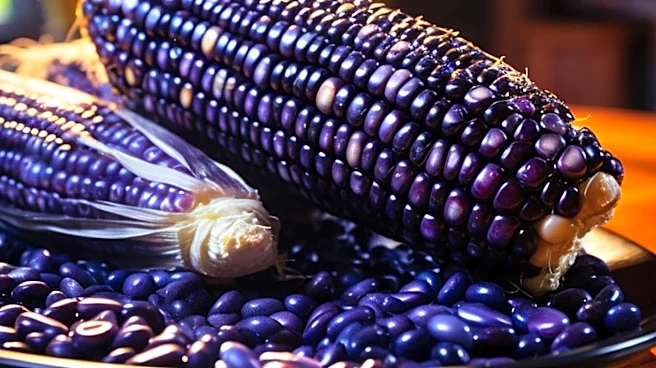
Food Lion is introducing a new, exclusive product, Violet Corn, to over 500 of its produce departments for the Labor Day weekend. This colorful corn variety originates from Virginia Produce and Light Farms in Laurel Fork, Virginia. The Violet Corn is noted
for its exceptional sweetness, boasting nearly twice the Brix level of conventional bicolor corn, and continues to develop color even after harvest. Due to its higher sugar content, it has a shorter shelf life, and customers are encouraged to consume it soon after purchase. It also features a very tight shuck, which may leave some silk after processing, though this can be easily removed after boiling. This limited-time crop is the result of years of dedicated testing and will be available only while supplies last. Virginia Produce has been a supplier of bicolor and yellow sweet corn to Food Lion for nearly a decade, and James Light of Light Farms also contributes other produce like jalapenos, peppers, snap beans, and cucumbers to Food Lion’s Virginia Local Goodness program.
Why It's Important?
The introduction of Violet Corn by Food Lion highlights a growing trend in the U.S. retail food industry towards offering unique, locally sourced, and specialty produce items. This move can enhance Food Lion's competitive edge by providing consumers with novel options, potentially increasing foot traffic and sales in its produce departments. For local farmers like Virginia Produce and Light Farms, such exclusive partnerships offer stable demand and a platform to showcase their specialized crops, supporting local agricultural economies. The emphasis on a limited-time offering also creates a sense of urgency and exclusivity, which can drive consumer interest and impulse purchases. This strategy aligns with consumer preferences for fresh, high-quality, and often visually appealing food items, especially during holiday periods like Labor Day, which are associated with grilling and social gatherings. The success of such initiatives could encourage more retailers to explore similar partnerships with local growers, fostering innovation in the agricultural sector and diversifying product offerings for consumers.
What's Next?
The availability of Violet Corn is explicitly stated as a limited-time offering, suggesting that its presence in Food Lion stores will conclude once current supplies are exhausted. The success of this initial rollout could influence future decisions regarding similar specialty produce introductions or potential seasonal reintroductions of Violet Corn. Food Lion will likely monitor sales data and customer feedback to assess the demand for such unique items. If the Violet Corn proves popular, it could pave the way for more collaborations with Virginia Produce and Light Farms, or other local growers, to bring additional exclusive or seasonal produce to Food Lion's shelves. This could further strengthen Food Lion's 'Virginia Local Goodness' program and its commitment to sourcing from regional farms. Consumers interested in trying the Violet Corn should purchase it promptly due to its limited availability and shorter shelf life.
Beyond the Headlines
The introduction of Violet Corn by Food Lion reflects broader shifts in consumer behavior and agricultural practices within the U.S. food system. There's an increasing consumer demand for unique, high-quality, and often aesthetically pleasing food experiences, moving beyond basic commodity produce. This trend encourages farmers to innovate and invest in specialized crops, which can be more labor-intensive but also command higher prices and offer differentiation. Furthermore, the partnership underscores the importance of local sourcing and supply chain resilience. By working with Virginia-based farms, Food Lion not only supports local economies but also potentially reduces transportation costs and environmental impact, appealing to environmentally conscious consumers. This model of direct collaboration between large retailers and local growers could become more prevalent, fostering a more diverse and sustainable agricultural landscape while offering consumers novel and fresh options.