
What's Happening?
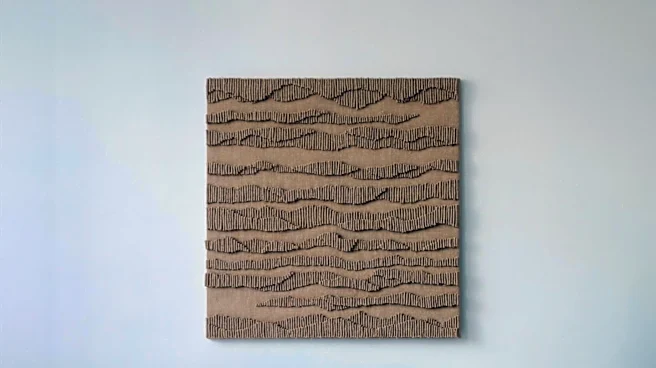
Wabi-sabi style, rooted in Japanese philosophy, is gaining traction for its unique approach to aesthetics, focusing on finding beauty in imperfection, simplicity, and the natural process of aging. This style is characterized by calm compositions, organic
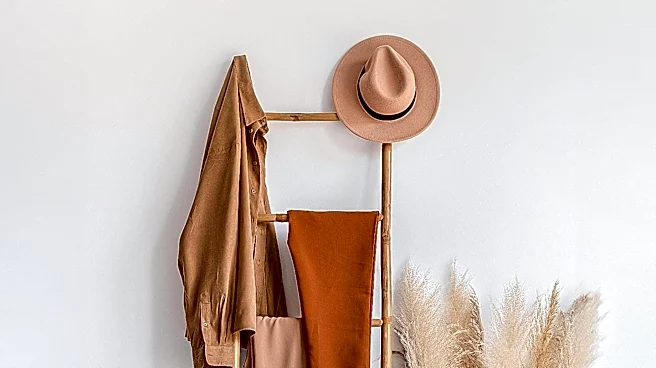
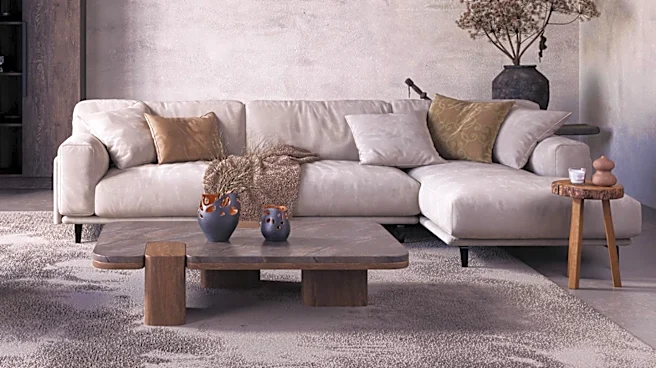
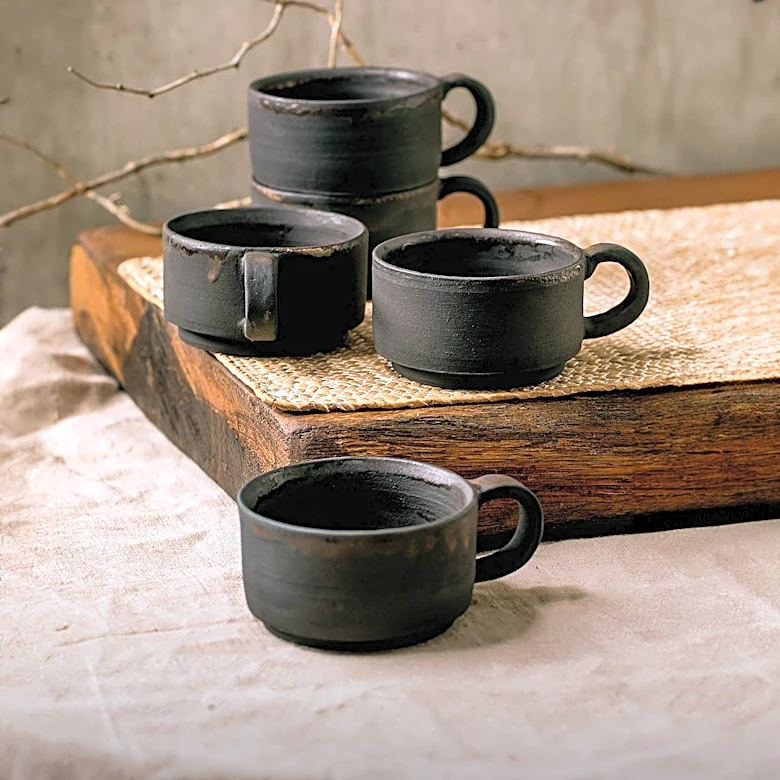
forms, and subtle textures, aiming to create a sense of balance and quiet presence in a space. It predominantly uses earthy, neutral tones such as beige, sand, clay, warm white, stone grey, and soft charcoal. Wabi-sabi art is often paired with natural materials like wood, linen, and stone, and is integrated with minimalist furniture. The core idea is to create interiors that evoke a sense of calm rather than being overtly decorative, allowing elements to blend harmoniously while subtly standing out through texture and material presence, rather than through bold colors or high contrast. This aesthetic is being applied to various forms of art and home decor, offering a contemplative and timeless appeal for modern homes.
Why It's Important?
The growing popularity of wabi-sabi style in the U.S. reflects a broader cultural shift towards mindfulness, sustainability, and a rejection of consumerism-driven perfection. In an increasingly fast-paced and digitally saturated world, the emphasis on imperfection and natural aging offers a refreshing counter-narrative, promoting appreciation for authenticity and the transient nature of existence. For the U.S. design and home decor industries, this trend signifies a move away from mass-produced, flawless items towards handcrafted, unique pieces that tell a story. Businesses that adapt to this aesthetic by offering products with organic textures, muted palettes, and natural materials stand to gain. Conversely, those heavily invested in highly polished, synthetic, or overtly decorative styles might find their offerings less appealing to a segment of consumers seeking a more grounded and serene environment. This shift could also influence manufacturing processes, encouraging more sustainable practices and the use of raw, unprocessed materials.
What's Next?
The continued integration of wabi-sabi principles is expected across various sectors, including interior design, art, and even fashion. We may see an increase in workshops and educational content focused on understanding and applying wabi-sabi aesthetics in daily life. Retailers are likely to expand their collections of wabi-sabi inspired home goods, furniture, and art, emphasizing natural fibers, handmade items, and pieces with visible signs of age or wear. Architects and interior designers might incorporate more raw, unfinished materials and minimalist layouts in their projects to align with this philosophy. Furthermore, the concept could extend beyond physical products, influencing digital design and user interfaces to prioritize simplicity and natural flow. The long-term impact could lead to a more conscious consumer base that values longevity and authenticity over fleeting trends, potentially fostering a more sustainable market for goods and services.
Beyond the Headlines
The embrace of wabi-sabi in the U.S. goes beyond mere aesthetic preference; it touches upon deeper psychological and philosophical implications. In a society often driven by the pursuit of perfection and external validation, wabi-sabi encourages an acceptance of flaws and the beauty found in the natural cycle of growth and decay. This philosophical underpinning can foster a greater sense of contentment and reduce the pressure to constantly strive for an unattainable ideal. Ethically, it promotes sustainability by valuing existing objects and materials, reducing waste, and encouraging a less consumerist mindset. Culturally, it represents an ongoing cross-cultural exchange, where Eastern philosophies offer new perspectives on Western ideals of beauty and utility. This trend could lead to a more holistic approach to living, where environments are designed not just for visual appeal, but also for emotional well-being and a deeper connection to nature and the passage of time.