





What's Happening?
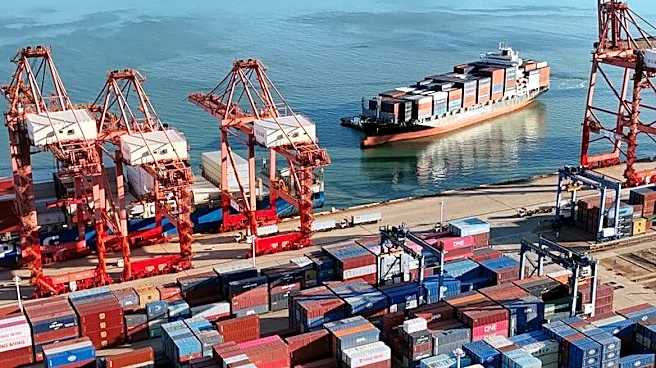
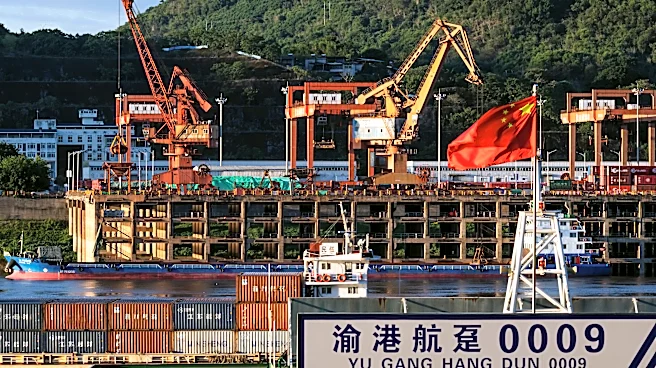
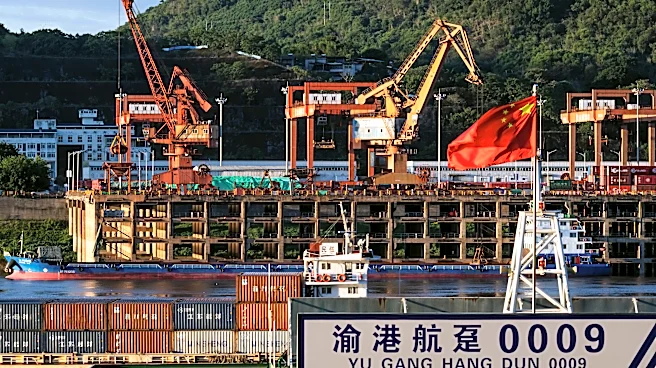
The U.S. Trade Representative (USTR) has proposed a two-month extension to the suspension of port fees on Chinese-built ships and Chinese-operated vessels, pushing the deadline to January 9, 2027. These fees, initially introduced in October 2025 under
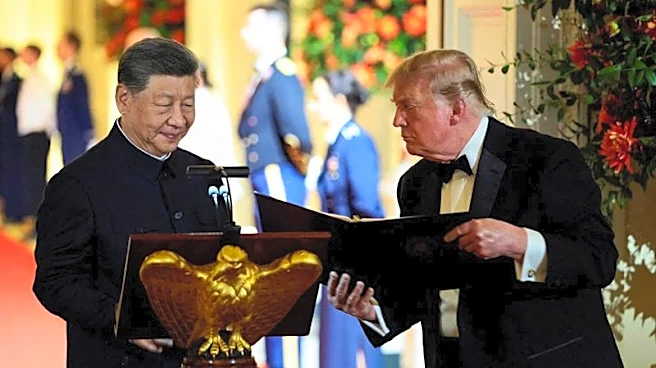
Section 301 of the Trade Act of 1974, target China’s alleged unfair trade practices and subsidies in its shipbuilding industry. The original suspension was a result of a November 2025 summit between President Trump and China’s President Xi Jinping, and was set to expire on November 9, 2026. The extension comes as trade negotiations between the two nations continue to show little progress in addressing the underlying issues. China's shipbuilding industry continues to dominate global markets, securing 81.8% of global new orders in the first nine months of 2026, with a substantial backlog.
Why It's Important?
The USTR's decision to delay the port fees again highlights the ongoing complexities and challenges in U.S.-China trade relations. While the extension offers temporary relief for carriers and aims to provide more time for negotiations, it also underscores the lack of a long-term resolution to the trade dispute. The fees were intended to level the playing field for the U.S. shipbuilding industry, but their repeated suspension suggests a cautious approach by the U.S. government to avoid further disruption to global supply chains, which are already strained. The continued dominance of Chinese shipbuilders in global markets indicates that the U.S. measures have not yet significantly altered the competitive landscape. This situation impacts U.S. industries reliant on maritime trade, as uncertainty surrounding future tariffs can influence shipping costs and supply chain planning.
What's Next?
The USTR has opened a one-week comment period for stakeholders to provide feedback on the proposed extension, with a deadline of October 30, 2026. A broader public consultation is also underway to gather input on the future of these fees. The extension until January 9, 2027, leaves the door open for further delays if trade talks remain stalled. Shippers have been front-loading cargo in anticipation of the fees' potential reintroduction, which could lead to a slowdown in Chinese imports to the U.S. in the coming months and potential congestion at U.S. West Coast ports. The shipping industry will be closely watching the developments as the January deadline approaches, hoping for a more permanent solution to the trade dispute that balances economic policy with global commerce.
Beyond the Headlines
The U.S. approach to Chinese shipbuilding subsidies reflects a broader strategic competition between the two global powers. Beyond economic considerations, the issue touches upon national security, as a robust domestic shipbuilding industry is often seen as vital for naval power and economic resilience. The difficulty in implementing and sustaining tariffs without causing significant economic disruption highlights the interconnectedness of the global economy. This ongoing trade tension also influences investment decisions and supply chain diversification strategies for businesses worldwide. The U.S. government's balancing act between protecting domestic industries and maintaining stable trade relations with its largest trading partner will continue to shape international economic policy and global supply chain dynamics.