




What's Happening?
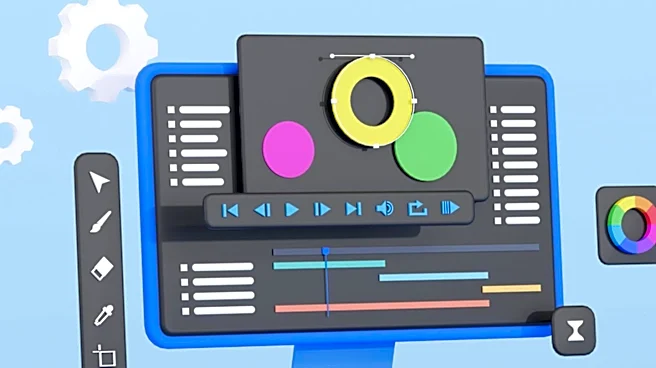
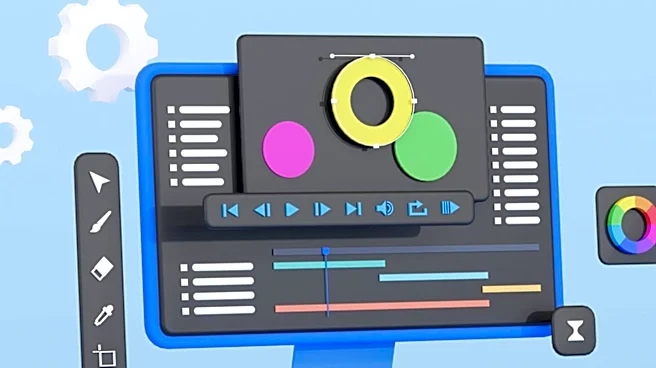
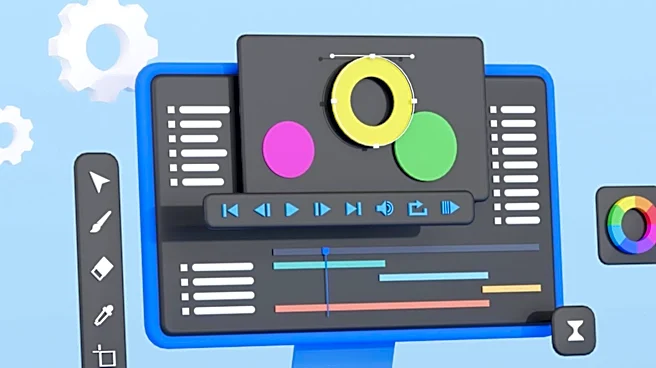
Lottie animation is gaining prominence as a lightweight, JSON-based vector format for integrating sharp, smooth motion into websites and applications. This technology allows designers to create animations in software like Adobe After Effects and export
them as small JSON files, which developers can then easily embed with minimal code. Unlike traditional methods such as GIFs or HTML videos, Lottie animations maintain high quality across various screen sizes and typically have significantly smaller file sizes, leading to faster page load times and improved user experience. The format, open-sourced by Airbnb in 2017 and named after animation pioneer Lotte Reiniger, describes shapes, colors, and keyframes rather than storing every frame as an image. This approach ensures scalability and flexibility, allowing for real-time adjustments to animation properties like speed and color without altering the original design file. The adoption of Lottie addresses challenges faced by modern landing pages, which require vibrant, seamless animations that are compatible across platforms and optimized for performance.
Why It's Important?
The rise of Lottie animation is significant for U.S. industries, particularly in web development, digital marketing, and user experience design. Its ability to deliver high-quality, performant animations with small file sizes directly impacts website loading speeds, a critical factor for SEO and user engagement. Businesses can leverage Lottie to create more dynamic and engaging digital interfaces without compromising site performance, potentially leading to higher conversion rates and improved brand perception. For developers, Lottie simplifies the integration of complex animations, reducing development time and effort. Designers gain more control over how their motion graphics are implemented, ensuring visual fidelity across different devices. This technology democratizes access to sophisticated animation capabilities, allowing smaller businesses and startups to compete with larger enterprises in creating visually rich online experiences. The emphasis on performance and user experience aligns with current industry trends, making Lottie a valuable tool for any entity focused on digital presence.
What's Next?
The adoption of Lottie animation is expected to continue growing as more developers and designers recognize its benefits. Future developments may include enhanced tooling for creating and managing Lottie files, broader integration into popular web development frameworks, and increased community support for sharing and customizing animations. As web and mobile platforms evolve, the demand for efficient and high-quality visual content will likely drive further innovation in vector animation technologies like Lottie. We may see more advanced features for interactivity, accessibility, and integration with emerging technologies such as augmented reality. Companies specializing in web and app development will likely invest more in Lottie expertise, making it a standard skill set for front-end developers and UI/UX designers. The format's open-source nature also suggests a collaborative future, with ongoing improvements driven by a global community of contributors.
Beyond the Headlines
Beyond its immediate technical advantages, Lottie animation represents a broader shift in how digital content is created and consumed. It underscores the increasing importance of visual storytelling and dynamic user interfaces in capturing and retaining audience attention in a crowded digital landscape. The technology also highlights the ongoing convergence of design and development, as tools like Lottie bridge the gap between creative vision and technical implementation. Ethically, the efficiency of Lottie animations contributes to a more sustainable web by reducing data transfer and energy consumption associated with larger media files. Culturally, the widespread use of smooth, engaging animations can elevate user expectations for digital experiences, pushing the boundaries of what is considered a standard online interaction. This evolution could lead to more immersive and intuitive digital environments, fundamentally changing how users interact with information and services online.