








What's Happening?
The interest rates for home equity loans and home equity lines of credit (HELOCs) have been experiencing fluctuations, with recent trends showing an increase. This change is largely attributed to the Federal Reserve's decision to maintain its federal
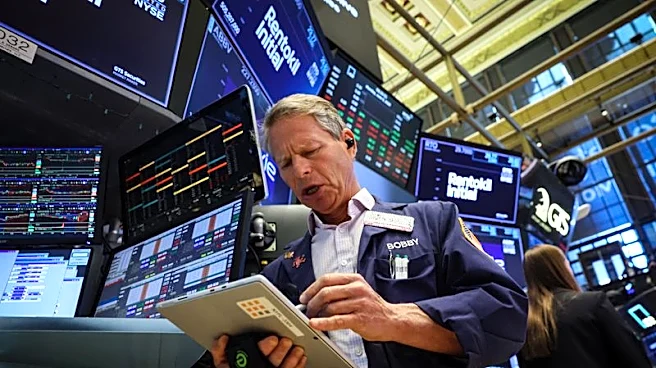
funds rate steady since late 2025, coupled with rising inflation. Experts suggest that for rates to decrease, several conditions must be met, including a resolution to the ongoing conflict in Iran, a decrease in inflation, and a contraction in the job market. The Federal Reserve's rate decisions directly influence the prime rate, which in turn affects HELOC rates. Despite some periods of volatility, home equity loan rates have generally been on a decline over the past year, but recent weeks have seen a reversal of this trend.
Why It's Important?
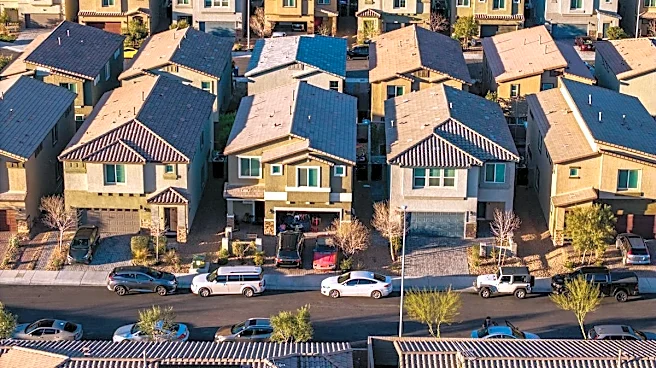
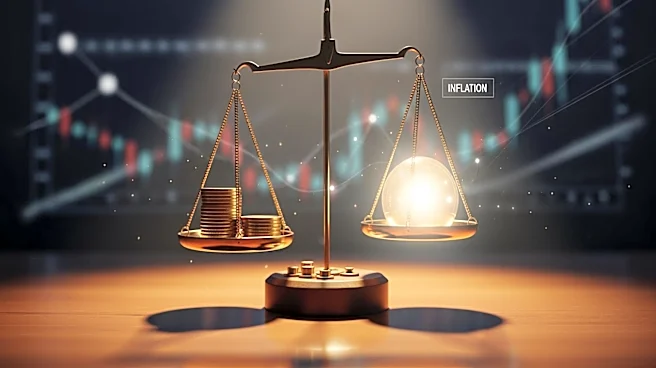
The fluctuation in home equity loan and HELOC rates is significant for homeowners looking to borrow against their home equity for purposes such as debt consolidation or home improvements. Rising rates could increase borrowing costs, impacting consumer spending and financial planning. The Federal Reserve's monetary policy plays a crucial role in determining these rates, and its decisions are influenced by broader economic factors such as inflation and geopolitical tensions. As inflation remains high, currently at 4.2%, and with the ongoing conflict in Iran affecting global markets, the likelihood of rate cuts appears slim. This situation underscores the interconnectedness of global events and domestic economic policies, affecting financial markets and consumer behavior in the U.S.
What's Next?
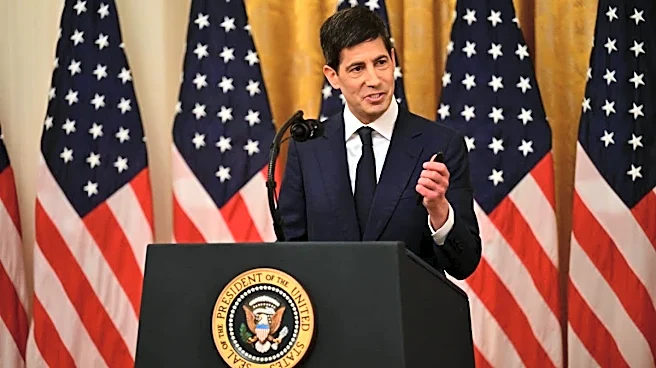
Looking ahead, the trajectory of home equity loan and HELOC rates will depend on several factors, including the Federal Reserve's future rate decisions and the resolution of international conflicts. If inflation persists or geopolitical tensions escalate, rates may continue to rise. Conversely, a decrease in inflation or a resolution to the Iran conflict could lead to rate cuts. Homeowners and potential borrowers should closely monitor these developments and consider their financial goals and the timing of their borrowing decisions. The appointment of a new Federal Reserve Chair, Kevin Warsh, adds another layer of uncertainty, as his policy decisions could influence future rate trends.