






What's Happening?
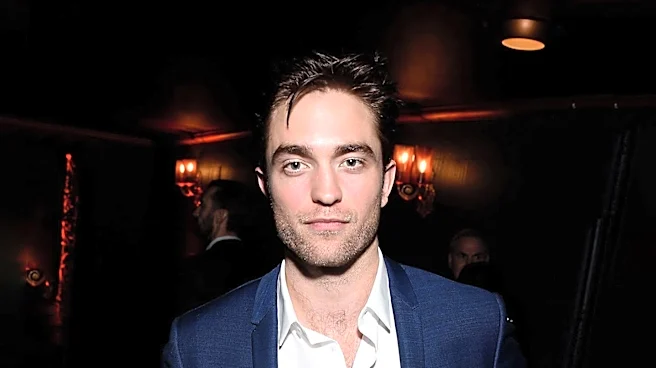
Eon Productions has announced Robert Pattinson as the next actor to portray James Bond. This decision was made public relatively late in the casting process, but Pattinson was considered a strong contender due to his star power, British background, and
experience in action films like 'Batman.' Pattinson, who first gained recognition in 'Harry Potter and the Goblet of Fire' and received critical acclaim for his role in 'The Lighthouse,' is seen as a capable choice for the iconic spy. The first film featuring Pattinson as Bond is anticipated to be released in either 2027 or 2028. This upcoming installment will mark a significant shift for the franchise, as it will be the first James Bond film produced during the reign of a British monarch other than Elizabeth II and only the second post-Brexit film. The casting comes with the challenge of reinterpreting the character for a modern audience, given the geopolitical changes since Bond's inception.
Why It's Important?
The casting of Robert Pattinson as James Bond carries significant implications for the long-running franchise and the entertainment industry. As one of the most recognizable film roles globally, the choice of actor can redefine the character for a new generation and influence box office performance. Pattinson's previous roles suggest a potential for a more nuanced or darker portrayal of Bond, similar to Daniel Craig's tenure, which could resonate with contemporary audiences who appreciate complex characters. The timing of the film's release in 2027 or 2028 also places it in a post-Elizabethan and post-Brexit Britain, necessitating a re-evaluation of Bond's relevance and purpose in a world vastly different from the Cold War era that originally defined him. This could lead to creative decisions that either modernize the character's mission or explore his historical context, impacting how the UK's global identity is reflected in popular culture.
What's Next?
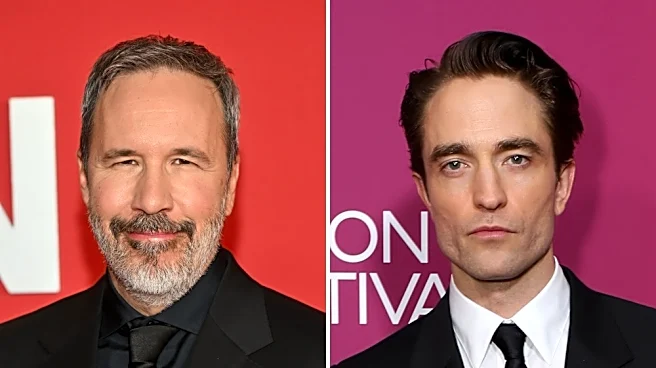
The immediate next steps will involve the pre-production phase for the new James Bond film, including script development, securing a director (Denny Villeneuve is mentioned as the director for the next film), and further casting announcements. The film's creative team will face the task of crafting a narrative that justifies Bond's existence in the late 2020s, moving beyond the traditional Cold War espionage themes. There is speculation that the filmmakers might opt for a period piece, setting the story in an earlier era like the 1960s, which could provide a rich backdrop while sidestepping the complexities of modern geopolitical relevance. This approach would allow the film to retain classic Bond elements—tuxedos, martinis, Aston Martins, and pithy one-liners—without needing to reconcile them with contemporary global politics. The reception of this new direction by fans and critics will be crucial in shaping the future trajectory of the James Bond franchise.
Beyond the Headlines
Beyond the immediate excitement of a new Bond, Pattinson's casting prompts deeper questions about the character's enduring appeal and adaptability. James Bond, originally conceived as a reflection of 1950s Britain, has evolved through various interpretations, from Sean Connery's suave demeanor to Daniel Craig's gritty realism. The challenge for Pattinson and the filmmakers will be to navigate the character's problematic aspects, such as misogyny and colonialism, which are increasingly scrutinized in modern media. The decision to potentially set the film as a period piece could be a strategic move to explore these themes within their historical context rather than attempting to force a contemporary relevance that might feel inauthentic. This could allow for a more critical engagement with Bond's legacy while still delivering the expected action and spectacle, potentially influencing how other long-standing franchises adapt to changing societal values and historical perspectives.