






What's Happening?
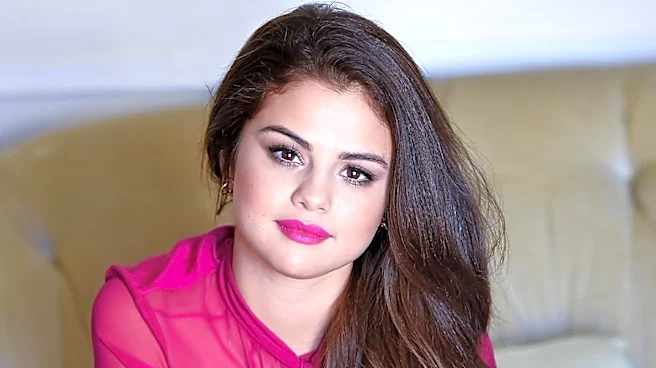
Selena Gomez's beauty brand, Rare Beauty, has achieved significant success since its launch in September 2020. The brand, which distinguishes itself by eschewing traditional paid advertising, relies on Gomez's personal use of the products and a strong
social media presence. Rare Beauty's marketing strategy includes using micro-creators for product distribution and committing 1% of sales to the Rare Impact Fund, which supports youth mental health services. By early 2024, the brand had crossed $400 million in net sales. Despite exploring a potential sale at $2 billion in 2024, no formal offers were made, and Gomez continues to expand the brand. In February 2026, Rare Beauty entered Ulta Beauty stores, breaking the retailer's launch-day sales record.
Why It's Important?
Rare Beauty's success highlights a shift in marketing strategies within the beauty industry, emphasizing authenticity and social responsibility over traditional advertising. The brand's commitment to mental health through the Rare Impact Fund not only supports a vital cause but also enhances its brand image. This approach has allowed Rare Beauty to build a strong community and achieve significant sales without the need for large advertising budgets. The brand's expansion into Ulta Beauty stores marks a strategic move to increase its market reach, potentially setting a precedent for other celebrity-led brands. However, the failed sale attempt at $2 billion suggests that while the brand is successful, its reliance on Gomez's personal brand may limit its perceived value to potential buyers.
What's Next?
As Rare Beauty continues to grow, its next steps may include further expansion into new markets or product lines. The brand's entry into Ulta Beauty stores could lead to increased visibility and sales, potentially attracting new customers. Additionally, the ongoing commitment to the Rare Impact Fund may strengthen the brand's reputation and customer loyalty. Observers will be watching to see if Gomez decides to diversify the brand's offerings, such as launching new product categories like fragrance or skincare, which could enhance its appeal to strategic buyers. The brand's future success will likely depend on maintaining its unique marketing approach while adapting to changing market dynamics.
Beyond the Headlines
Rare Beauty's approach raises questions about the sustainability of celebrity-driven brands and the potential risks associated with relying heavily on a single individual's influence. The brand's success underscores the importance of aligning business practices with social causes, which can resonate with consumers and build long-term loyalty. However, the challenge remains in balancing this approach with the need for scalability and broader market appeal. As the beauty industry evolves, Rare Beauty's model may inspire other brands to rethink their marketing strategies, focusing on authenticity and community engagement rather than traditional advertising.