








What's Happening?
The United States Tennis Association (USTA) is facing a lawsuit from the family of William 'Slew' Hester, the creator of the National Tennis Center, over claims that the organization is erasing his legacy and imposing significant financial demands on his heirs.
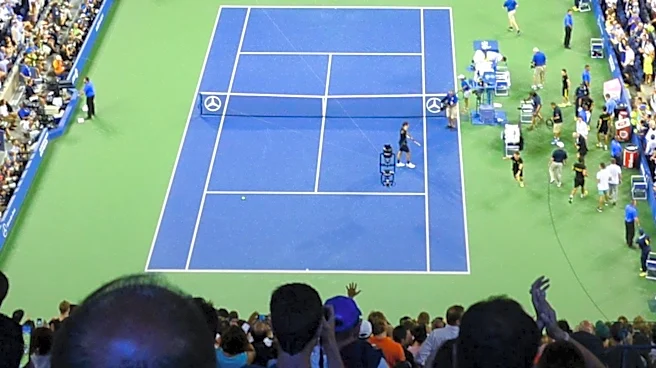
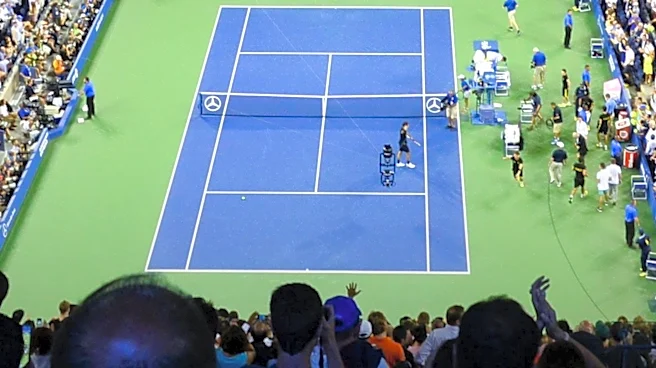
The lawsuit alleges that the USTA has violated a longstanding settlement agreement by demolishing the Hester family's box seats at Arthur Ashe Stadium and offering them inferior seats for the US Open, contingent upon a payment of $460,000. This legal action marks the second time the Hester family has sued the USTA, as they argue that the organization has failed to honor the contributions of Slew Hester, a former USTA president who played a pivotal role in establishing the US Open at its current location. The family contends that the USTA's actions have diminished Hester's legacy and imposed undue financial burdens on them.
Why It's Important?
This lawsuit highlights ongoing tensions between the USTA and the Hester family, raising questions about how sports organizations honor historical contributions and manage legacy agreements. The outcome of this legal battle could have broader implications for how sports entities handle legacy rights and financial arrangements with families of influential figures. If the Hester family prevails, it may set a precedent for other families seeking to protect their legacy rights against large organizations. Additionally, the case underscores the financial pressures and potential conflicts that can arise when sports venues undergo significant renovations, impacting long-standing agreements and relationships.
What's Next?
The legal proceedings will likely involve detailed examinations of the original settlement agreement and the USTA's actions since its inception. Both parties may engage in negotiations to reach a settlement, or the case could proceed to trial, where a court will determine the validity of the Hester family's claims. The USTA's response to the lawsuit and any potential public relations strategies will be closely watched by stakeholders in the sports industry. The outcome could influence how the USTA and similar organizations approach legacy agreements and financial arrangements in the future.
Beyond the Headlines
The case raises ethical questions about how sports organizations balance modernization efforts with honoring historical contributions. It also highlights the potential for financial disparities between wealthy organizations and individual families, prompting discussions about fairness and equity in legacy agreements. The removal of Slew Hester's memorial plaque adds a cultural dimension to the dispute, as it touches on the importance of preserving historical recognition within sports venues.