




What's Happening?
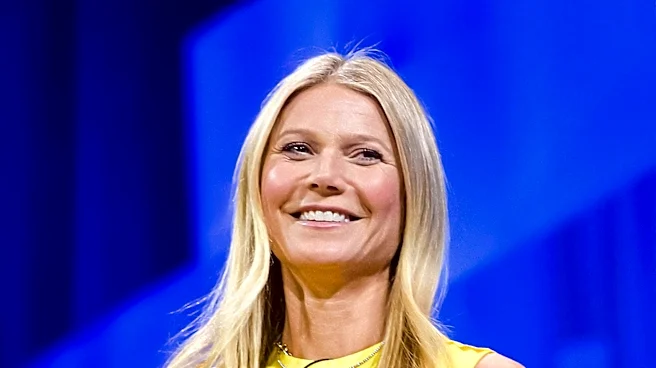
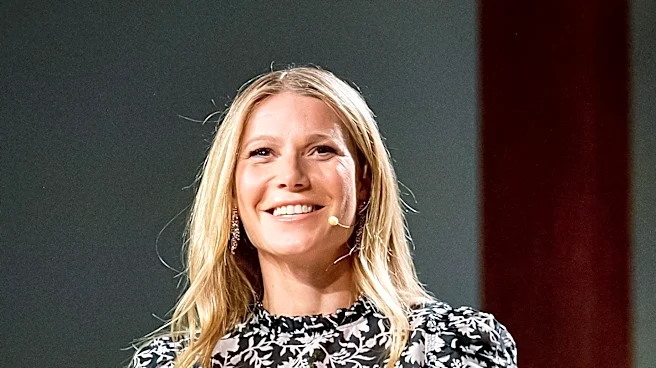
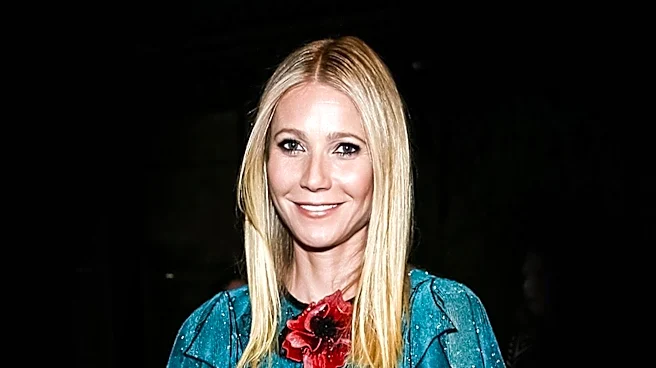
Gwyneth Paltrow recently clarified that the concept of 'conscious uncoupling,' widely associated with her 2014 separation from Chris Martin, was introduced to them by a therapist, not coined by her. During a September 8 appearance on the 'Friends Keep
Secrets' podcast, Paltrow explained that she and Martin were seeking a way to protect their children from post-divorce hostility when their therapist presented the idea. The couple subsequently used the phrase in their separation announcement, which led to its widespread recognition in pop culture. Paltrow emphasized that her primary motivation was to prevent their children, Apple and Moses, from experiencing the deep-seated animosity often seen between divorced parents. She had observed that while divorce itself was painful, the lingering hostility left deeper scars on children. This led her to prioritize maintaining a functional family unit even after the romantic relationship ended, aiming for a future where they could comfortably share family milestones.
Why It's Important?
The clarification from Gwyneth Paltrow regarding the origin of 'conscious uncoupling' is significant as it shifts the narrative from her being the originator of a seemingly esoteric celebrity trend to someone who adopted a therapeutic approach. This reframing highlights the growing public interest in alternative, less adversarial methods of separation and divorce, particularly when children are involved. It underscores a broader societal shift towards prioritizing co-parenting and minimizing conflict for the well-being of children, even among high-profile individuals. The initial backlash Paltrow faced, including losing a movie role due to the controversy surrounding the term, illustrates the public's often critical reaction to new or unconventional approaches to personal matters, especially from celebrities. However, her continued defense of the underlying idea suggests a lasting impact on how some individuals approach the dissolution of relationships, aiming for more respectful and constructive outcomes.
What's Next?
Paltrow's continued advocacy for 'conscious uncoupling' suggests that the concept, originally coined by marriage and family therapist Katherine Woodward Thomas in 2009, may gain further traction and understanding. As more public figures and individuals share their experiences with this approach, it could contribute to a broader acceptance and normalization of non-traditional separation methods. The discussion around 'conscious uncoupling' is likely to continue influencing conversations about divorce, co-parenting, and family dynamics, potentially encouraging more couples to explore therapeutic interventions aimed at reducing conflict. The long-term impact could be a gradual shift in societal perceptions of divorce, moving away from purely adversarial models towards more collaborative and child-centric solutions. This ongoing dialogue may also prompt further research and development in therapeutic practices for relationship dissolution.
Beyond the Headlines
Beyond the immediate narrative, Paltrow's experience with 'conscious uncoupling' touches upon deeper societal implications regarding celebrity influence, public perception, and the evolving nature of family structures. The initial mockery and professional repercussions she faced highlight the challenges public figures encounter when introducing or adopting concepts that deviate from traditional norms. It also underscores the power of media and public opinion in shaping narratives around personal choices. The concept itself, by focusing on intentional and respectful separation, challenges the conventional adversarial model of divorce, promoting a more emotionally intelligent and responsible approach to ending relationships. This reflects a broader cultural movement towards greater emotional literacy and a desire to mitigate the negative psychological impacts of divorce on all parties, especially children. The enduring relevance of 'conscious uncoupling' suggests a growing desire for more humane and constructive ways to navigate life's transitions.