








What's Happening?
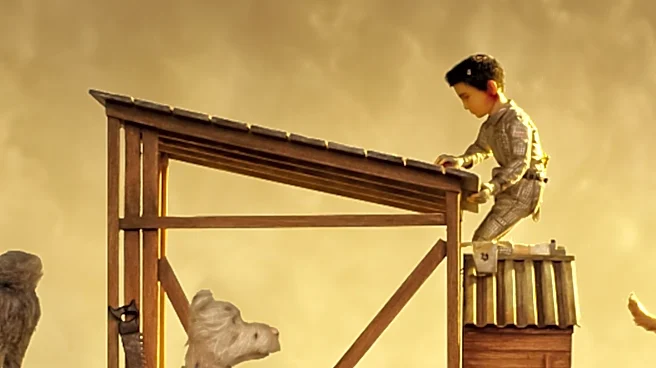
A growing trend among musical artists involves the use of puppets, animation, stop-motion animation, and claymation in their music videos. This approach is emerging as a creative and often more financially responsible alternative to traditional video productions
featuring actors or the artists themselves. The shift is partly driven by the increasing demand for visual media to accompany music in the social media era, where platforms like Spotify nearly require visual content for song uploads. However, many artists find that conventional videos can be expensive to produce and may limit the listener's imagination by providing overly literal interpretations of a song's meaning. Examples include Willi Carlisle's upcoming album 'The Universal Bubba,' which features a music video for 'Gas Station' with muppets, and 'Rattlesnake' Rachel Brooke's video for 'The Ballad of Bald Hill,' which utilized handmade puppets and sets created by Jess Mess (Jess Varda) over nine months. This method allows for unique artistic expression and can circumvent the often 'sappy, overly-sentimental moments' found in big-budget productions.
Why It's Important?
This trend signifies a notable evolution in the music industry's approach to visual content, particularly in the U.S. It offers a more accessible and imaginative avenue for artists, especially those with limited budgets, to create compelling visuals without the financial strain of traditional video shoots. By opting for animation and puppetry, artists can foster a deeper engagement with their audience, allowing for more personal interpretation of their music rather than dictating a specific narrative. This shift challenges the conventional reliance on short-form, often repetitive, video loops seen on platforms like TikTok and Instagram, which can contribute to shorter attention spans. The emphasis on handcrafted, intentional art, as seen in Jess Mess's work, also provides a refreshing counter-narrative to the rise of AI-generated content, highlighting the value of human creativity and effort in a rapidly digitizing landscape. This could lead to a more diverse and artistically rich visual ecosystem within the music industry.
What's Next?
The increasing adoption of animation and puppetry in music videos is likely to continue, potentially inspiring more independent artists and even larger labels to explore these creative avenues. As technology for animation becomes more accessible and artists seek unique ways to stand out, we may see a surge in innovative visual storytelling that moves beyond conventional music video formats. This could also lead to new collaborations between musicians and animators, fostering a niche market for specialized visual artists within the music industry. Furthermore, the success of these alternative visual styles might influence how streaming platforms and social media platforms prioritize and showcase music content, potentially encouraging more diverse visual presentations beyond the current trend of short, looping videos. The emphasis on handcrafted and non-AI content could also spark a broader conversation about authenticity and artistic integrity in the digital age.
Beyond the Headlines
Beyond the immediate financial and creative benefits, the embrace of puppets and animation in music videos touches upon deeper cultural and artistic implications. It represents a return to imaginative storytelling and a rejection of the often-homogenized aesthetic of mainstream music videos. This approach can tap into a sense of nostalgia and wonder, reminiscent of classic children's programming or independent filmmaking, which can resonate deeply with audiences seeking more authentic and less commercialized content. Ethically, the choice to use handmade animation, as highlighted by Jess Mess's nine-month effort, underscores the value of human craftsmanship and artistic dedication in an era increasingly dominated by AI and instant gratification. This movement could foster a greater appreciation for the labor and artistry involved in creative production, potentially influencing consumer preferences towards content that feels more 'human' and less algorithm-driven. It also offers a powerful commentary on the balance between artistic vision and commercial pressures in the digital music landscape.