








What's Happening?
A new report from EY-Parthenon indicates that the increasing use of GLP-1 drugs for weight management is significantly altering consumer behavior in the U.S. food and beverage sector. For the first time, 54% of GLP-1 users are primarily taking these medications
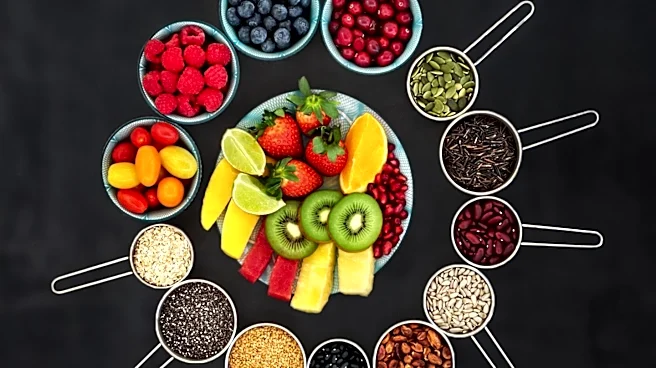
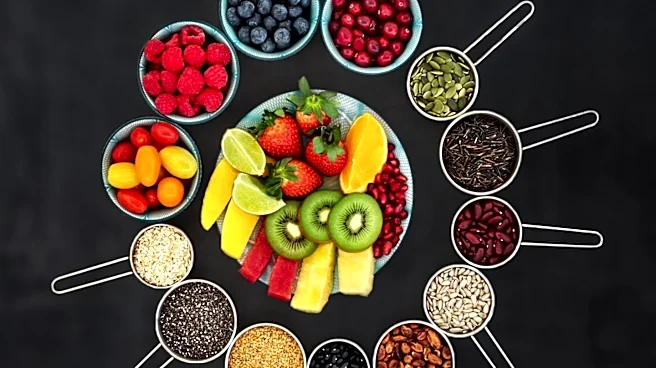
for weight management, surpassing those using them for health reasons (46%). This shift is leading to a reduction in the consumption of sweets (63%) and salty snacks (57%) among users. Conversely, GLP-1 users are increasing their intake of fresh produce (66%) and protein (61%), while also drinking fewer soft drinks (51%) and more functional beverages (44%). The report highlights that 94% of GLP-1 users are often responsible for household meal planning, creating a ripple effect where 42% have adjusted their families' meals.
Why It's Important?
This trend holds significant implications for the U.S. food and beverage industry. Brands that adapt their portfolios to offer more nutrient-dense products, particularly those high in protein and fiber and lower in sugar and calories, are poised for growth. The report suggests that companies should reformulate existing products, repackage snacks into smaller, more permissible portions, and reposition offerings as healthier and more nutritious. This shift could lead to a substantial reallocation of consumer spending, impacting various segments from packaged goods to restaurants. Companies failing to recognize and respond to this structural change in consumer behavior risk losing market share. The potential for GLP-1 adoption to grow by over 20% annually through 2030 underscores the long-term nature of this market transformation.
What's Next?
Food and beverage companies are expected to accelerate innovation and product development to cater to the evolving preferences of GLP-1 users and the broader health-conscious market. This will likely involve launching new products specifically aimed at this demographic, investing in research and development for healthier formulations, and potentially acquiring high-growth brands that align with these trends. We may also see increased marketing efforts emphasizing the nutritional benefits of products, with a focus on protein, fiber, and reduced sugar. Retailers might adjust their inventory and store layouts to highlight these healthier options. Furthermore, the report suggests that the availability of GLP-1 drugs in pill form and increasing insurance coverage will likely drive continued growth in user numbers, solidifying these new consumption patterns as a lasting market force.
Beyond the Headlines
The widespread adoption of GLP-1 drugs could trigger a profound re-evaluation of dietary guidelines and public health messaging in the U.S. Beyond individual choices, the ripple effect on family meals suggests a broader societal shift towards healthier eating habits. This could challenge the dominance of highly processed foods and sugary drinks, potentially leading to a healthier national diet. However, it also raises questions about equitable access to these medications and the potential for a two-tiered food system, where those with access to GLP-1s adopt healthier diets while others continue with less nutritious options. The long-term health impacts of sustained GLP-1 use, combined with dietary changes, will be a critical area of ongoing research and public discourse, potentially influencing healthcare policy and food regulations.