





What's Happening?
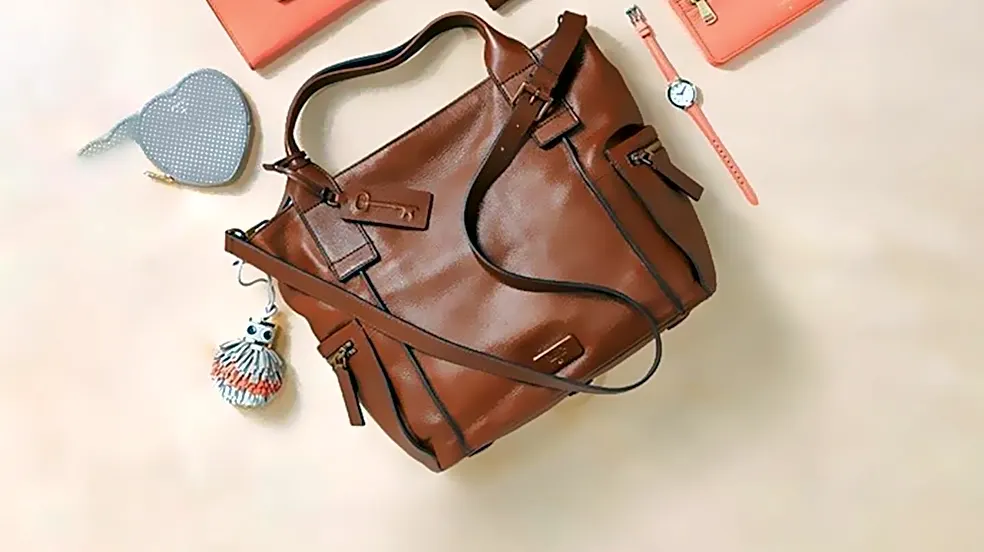
Bag charms are emerging as a popular decorative accessory, allowing individuals to personalize their handbags, purses, totes, and backpacks. These charms come in a wide array of designs, including floral patterns, fruit shapes, butterflies, and clover
details, catering to diverse aesthetic preferences. Companies like The Sak are offering handcrafted bag charms, emphasizing a unique and playful finishing touch. Hermes also provides various bag charms designed to be attached to different types of handbags. Additionally, brands like Little Words Project are introducing specific designs, such as the Cowboy Boot bag charm, which aims to add a distinctive Western flair to everyday items. These accessories are described as bold, statement-making, and suitable for gifting, highlighting their role in enhancing personal style.
Why It's Important?
The growing popularity of bag charms signifies a broader trend in consumer behavior towards personalization and self-expression in fashion. For the U.S. retail and fashion industries, this trend presents a significant opportunity for growth in the accessories market. Companies that can offer unique, high-quality, and diverse bag charm designs are likely to capture a larger market share. This also impacts small businesses and artisans who specialize in handcrafted items, as the demand for unique and personalized accessories increases. Consumers benefit from having more options to customize their belongings, allowing them to express their individuality without needing to purchase entirely new bags. The emphasis on 'giftable' items also suggests a potential boost in sales during holiday seasons and special occasions, benefiting retailers across various price points.
What's Next?
The market for bag charms is likely to see continued innovation in design and materials. We can anticipate more collaborations between fashion brands and artists to create limited-edition charms, further driving consumer interest. The integration of sustainable and ethically sourced materials in bag charm production could also become a key differentiator for brands, appealing to environmentally conscious consumers. Furthermore, the trend might expand beyond traditional handbags to other personal items, such as luggage or even clothing, creating new avenues for accessory designers. Retailers may also start offering customization services for bag charms, allowing customers to design their own unique pieces, which could foster greater brand loyalty and engagement.
Beyond the Headlines
The rise of bag charms reflects a deeper cultural shift towards micro-trends and the desire for individual expression in an increasingly uniform world. In an era dominated by mass-produced goods, these small, customizable accessories offer a way for individuals to inject personality and uniqueness into their everyday items. This trend also highlights the psychological aspect of ownership and identity; by personalizing an item, individuals feel a stronger connection to it, transforming a functional object into a personal statement. Ethically, the production of these charms could raise questions about labor practices and material sourcing, especially for handcrafted items, pushing brands to be more transparent about their supply chains. Culturally, these charms can also serve as subtle markers of belonging to certain subcultures or expressing specific interests, acting as conversation starters and visual cues in social interactions.