



What's Happening?
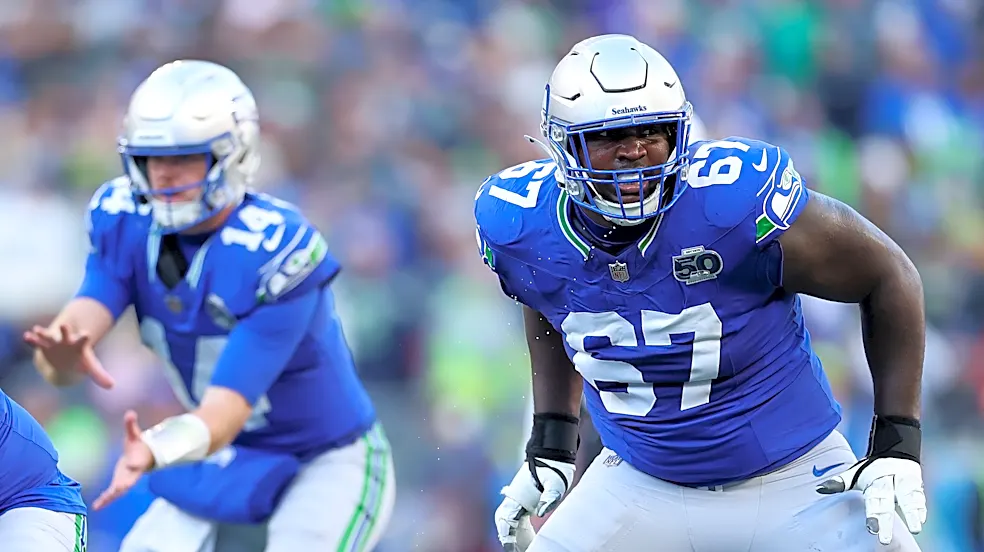
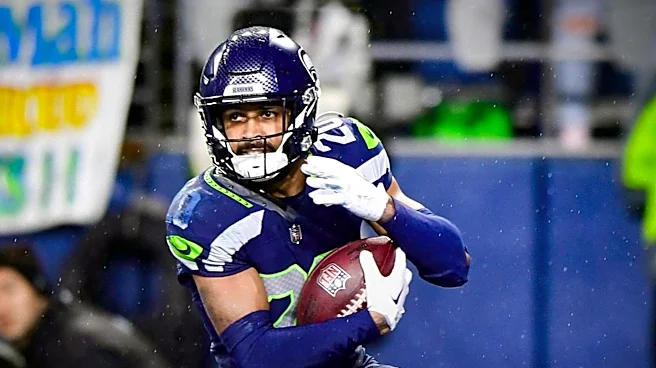
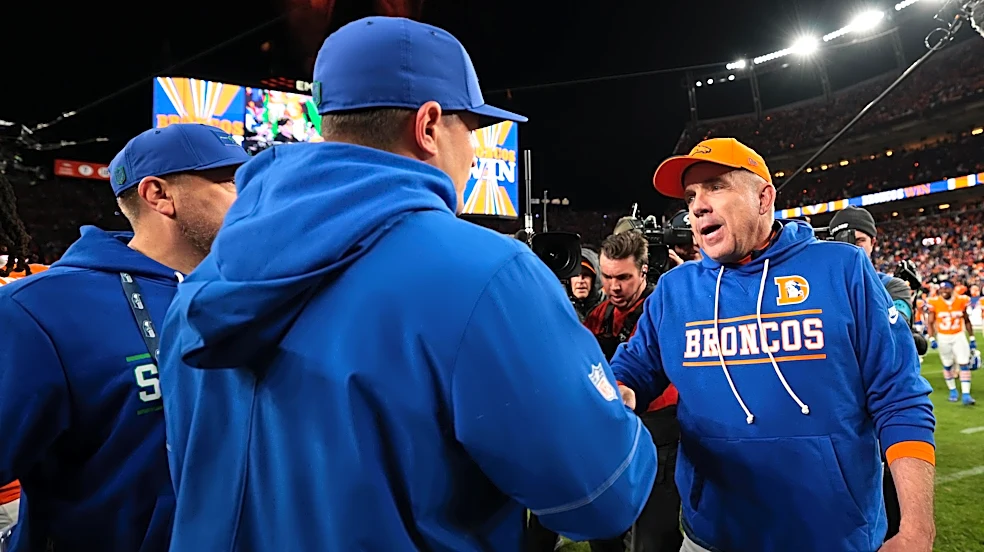
Seattle Seahawks safety Ty Okada has been fined for two separate infractions that occurred within a minute of each other during a recent game against the Denver Broncos. Okada received a $6,361 fine for illegal use of a helmet while tackling Broncos wide
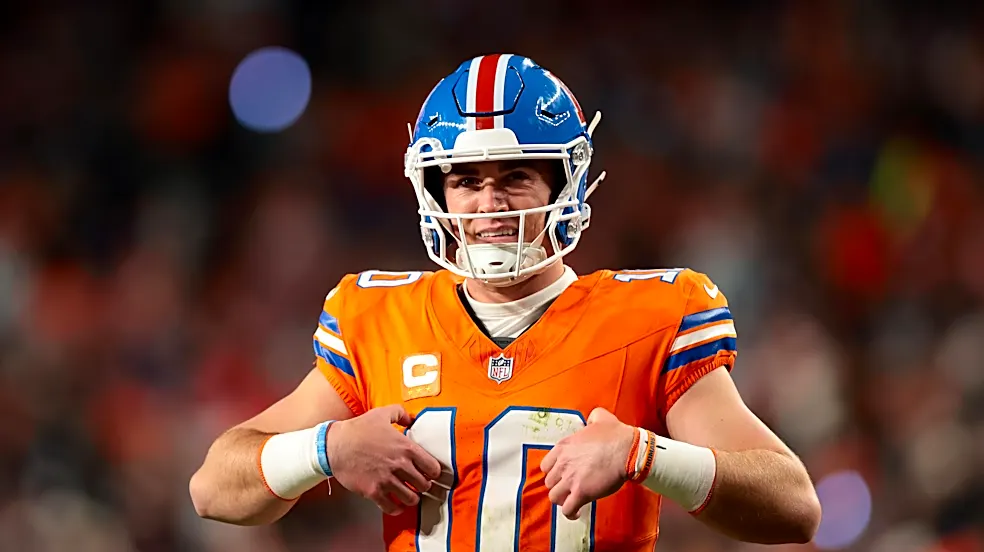
receiver Jaylen Waddle. Shortly after, he was issued another $6,361 fine for what the league determined was a tripping attempt on Broncos running back RJ Harvey. Neither of these incidents resulted in a penalty call during the game. Additionally, defensive end Mike Morris was fined $6,808 for illegally lowering his helmet during a tackle on Troy Franklin. Broncos linebacker Alex Singleton also received a $23,882 fine for illegal helmet use after a late hit on Seahawks quarterback Sam Darnold, which did not draw a roughing the passer penalty at the time. These fines can be appealed by the players.
Why It's Important?
These fines highlight the NFL's ongoing efforts to enforce player safety rules, particularly those related to helmet use and dangerous tackles. While the fines are relatively small for professional athletes, they serve as a deterrent and reinforce the league's commitment to reducing head injuries and other player safety concerns. The fact that these infractions were not called during the game but were later penalized by the league office underscores the scrutiny applied to game footage post-match. For the Seahawks, these fines add to the challenges of a tough season, as they are currently dealing with injuries and a negative turnover differential. The financial impact on individual players, especially those on lower salaries, can be significant, and the appeal process allows players to contest decisions they believe are unjust.
What's Next?
The fined players, including Ty Okada, Mike Morris, and Alex Singleton, have the option to appeal their respective fines. If an appeal is successful, the fine will be rescinded. If the appeal is denied or not pursued, the players will have the fine amount deducted from their next game check. The NFL will continue to review game footage for similar infractions, indicating that players must remain vigilant about their tackling techniques to avoid penalties and fines. This ongoing enforcement will likely influence coaching strategies and player behavior as teams strive to comply with league safety protocols while maintaining competitive play.
Beyond the Headlines
The situation with Ty Okada and other players being fined for uncalled in-game infractions raises questions about the consistency of officiating and the role of post-game reviews in player discipline. It suggests a two-tiered system where on-field officials might miss certain violations that are later caught and penalized by the league. This could lead to frustration among players and teams who feel that the rules are not applied uniformly in real-time. Furthermore, the emphasis on helmet safety and dangerous play reflects a broader cultural shift in sports towards prioritizing athlete well-being, driven by increased awareness of long-term health consequences. The financial penalties, while seemingly minor for some, contribute to a larger discussion about player compensation, league revenue, and the costs associated with maintaining player safety standards.