







What's Happening?
Ingrid Brown, a veteran truck driver and operations manager at Blackjack Express LLC, shared her insights on the impact of artificial intelligence (AI) in the trucking industry. Brown, who has been driving trucks since 1979, acknowledges that AI has significantly
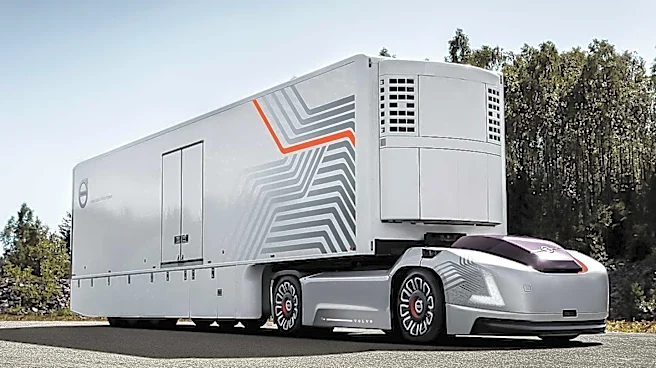
enhanced safety by providing alerts for potential hazards, such as deer on the road or driver fatigue. However, she remains skeptical about the readiness of autonomous trucks for long-haul routes. Brown emphasizes the unpredictability of driving conditions and the need for human intuition, which she believes current autonomous technology cannot replicate. While open to technological advancements, she stresses the importance of ensuring that these innovations do not displace experienced truckers who rely on their jobs for livelihood.
Why It's Important?
The discussion around AI and autonomous trucks is crucial as it highlights the balance between technological advancement and job security in the trucking industry. AI's role in improving safety is undeniable, potentially reducing accidents and enhancing operational efficiency. However, the transition to autonomous vehicles raises concerns about job displacement for millions of truck drivers in the U.S. The trucking industry is a significant employment sector, and any shift towards automation could have widespread economic and social implications. Ensuring that technology complements rather than replaces human workers is vital for maintaining industry stability and supporting the workforce.
What's Next?
The future of autonomous trucking will likely involve further testing and development to address current limitations. Stakeholders, including technology developers, trucking companies, and policymakers, will need to collaborate to create frameworks that integrate autonomous technology without compromising jobs. Discussions around regulatory standards, safety protocols, and workforce retraining programs will be essential as the industry navigates this transition. The trucking community's feedback, like that of Ingrid Brown, will be crucial in shaping policies that balance innovation with human employment.