



What's Happening?
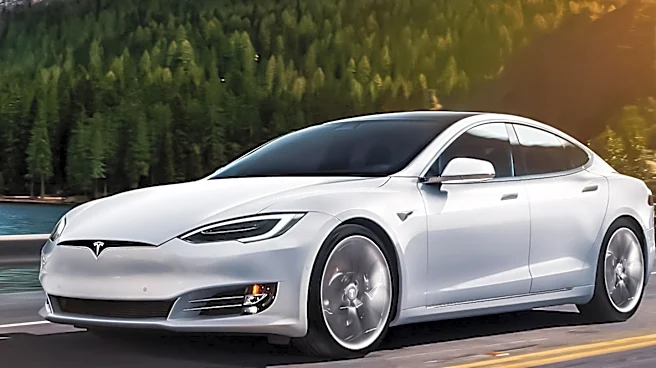
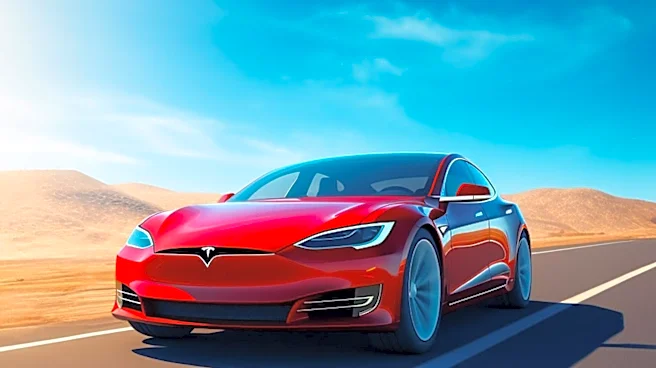
Tesla has adopted a unique approach to handling vehicle recalls, often opting for over-the-air software updates rather than physical repairs. This strategy allows Tesla to address safety risks or compliance issues identified by the National Highway Traffic
Safety Administration (NHTSA) without requiring vehicle owners to visit service centers. While traditional recalls typically involve physical repairs or replacements, Tesla's method often involves software fixes that can be implemented remotely. For instance, a recent recall involved a software bug affecting the rearview camera, which was resolved through an update. Tesla's innovative use of technology extends to creative solutions, such as using cabin cameras to detect seat occupancy instead of replacing faulty seat sensors. Vehicle owners can check for recalls using the NHTSA's website or Tesla's VIN Recall tool.
Why It's Important?
Tesla's reliance on software updates for recalls highlights a significant shift in how automotive safety issues can be managed, potentially setting a precedent for the industry. This approach not only reduces the logistical burden on vehicle owners but also minimizes costs associated with traditional recalls. By leveraging technology, Tesla can swiftly address issues, enhancing customer satisfaction and safety. However, this method also raises questions about the transparency and documentation of such fixes, as not all updates are detailed in release notes. The broader impact on the automotive industry could be substantial, encouraging other manufacturers to explore similar strategies, thereby transforming recall processes and customer service standards.
What's Next?
As Tesla continues to innovate in recall management, other automakers may follow suit, potentially leading to industry-wide changes in how recalls are handled. Regulatory bodies like the NHTSA might need to adapt their guidelines to accommodate these technological advancements. Additionally, Tesla's approach could prompt discussions on the balance between software and hardware solutions in vehicle safety. Stakeholders, including consumers and regulatory agencies, will likely monitor the effectiveness and transparency of Tesla's recall strategy, influencing future regulatory and industry practices.