







What's Happening?
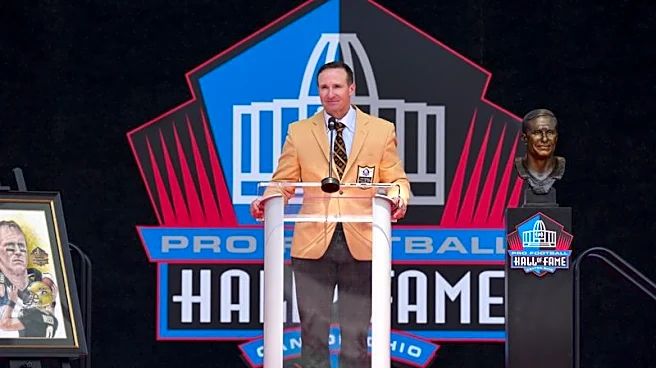
Roger Craig, former San Francisco 49ers running back, announced his diagnosis of vascular dementia during his Pro Football Hall of Fame induction speech. Craig, who is 66, shared that his doctors believe the condition may be linked to concussions sustained
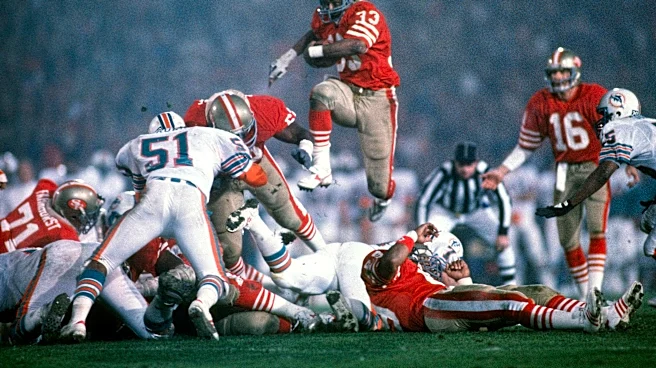
during his NFL career. Despite the diagnosis, Craig emphasized that it does not define him and expressed hope that sharing his story would encourage others to pay attention to their health. Craig was a key player in the 49ers' success during the 1980s, winning three Super Bowls and becoming the first NFL player to achieve 1,000 yards both rushing and receiving in a single season.
Why It's Important?
Craig's announcement highlights the ongoing concerns about the long-term health impacts of head injuries in football. His diagnosis adds to the growing body of evidence linking concussions to neurological conditions like dementia and Chronic Traumatic Encephalopathy (CTE). This revelation underscores the need for continued research and improved safety measures in contact sports. Craig's willingness to speak publicly about his condition may inspire other former athletes to seek medical advice and contribute to broader awareness and understanding of sports-related brain injuries.
Beyond the Headlines
Craig's story reflects broader issues within the NFL and other contact sports regarding player safety and post-career health. The league has faced criticism for its handling of concussion protocols and the long-term health of its players. Craig's diagnosis may prompt further discussions about the responsibilities of sports organizations to protect athletes and support them after retirement. Additionally, it raises ethical questions about the balance between the entertainment value of contact sports and the health risks to players.