






What's Happening?
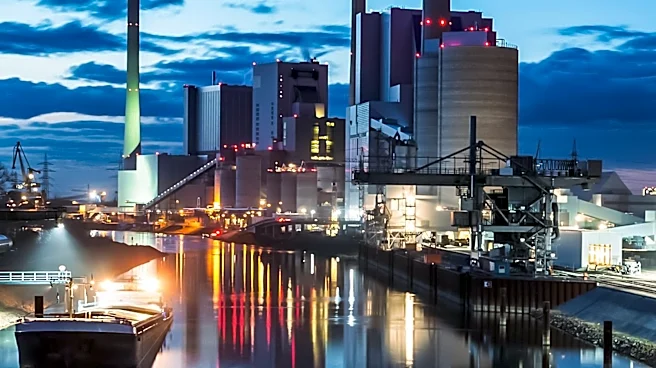
Thyssenkrupp Steel has suspended its barge operations for transporting raw materials to its Duisburg plant in Germany due to low water levels on the Rhine River. The company typically moves about 50,000 tons of iron ore and coal daily from Rotterdam to Duisburg.
However, the current heatwave has caused water levels to drop, preventing cargo vessels from being fully loaded, which in turn has increased freight transport costs. To mitigate the impact, Thyssenkrupp is using third-party vessels with shallower draughts, although this has led to higher logistics expenses. Despite these challenges, the company assures that customer deliveries remain unaffected, although it has slightly reduced blast furnace production as a precautionary measure.
Why It's Important?
The suspension of Thyssenkrupp's barge operations highlights the vulnerability of industrial supply chains to environmental factors such as climate-induced changes in river water levels. This situation underscores the broader economic impact of climate change on logistics and transportation costs, which can affect the pricing and availability of essential industrial materials. For Thyssenkrupp, increased logistics costs could impact profitability and operational efficiency. More broadly, industries reliant on river transport may face similar challenges, prompting a reevaluation of supply chain strategies and increased investment in alternative logistics solutions.
What's Next?
If low water levels persist, Thyssenkrupp and other companies dependent on river transport may need to explore long-term solutions, such as investing in infrastructure that can accommodate varying water levels or diversifying transport methods. Additionally, there may be increased pressure on policymakers to address climate resilience in transportation infrastructure planning. Stakeholders, including environmental groups and industry leaders, may advocate for sustainable practices to mitigate the impact of climate change on critical supply routes.