





What's Happening?
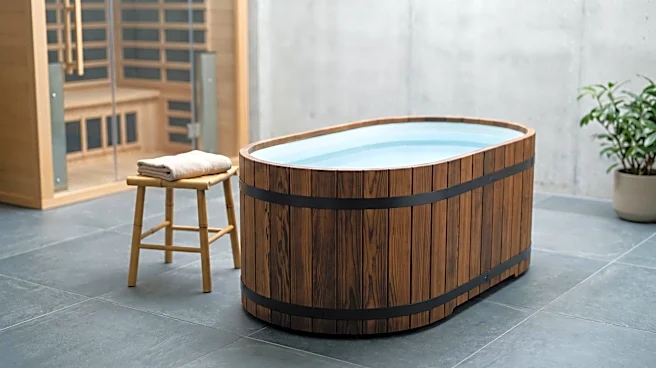
Cold water immersion, including cold plunging and cold water swimming, is gaining popularity for its potential health benefits, such as improved cardiovascular fitness, mood elevation, and enhanced resilience. However, experts emphasize that these practices
are not without risks and should be approached with caution, particularly for individuals over 60 or those with pre-existing health conditions. The Royal National Lifeboat Institution (RNLI) defines water at 15°C (59°F) or below as cold enough to significantly affect breathing and movement, highlighting the immediate danger of cold shock. This initial response can cause involuntary gasping, rapid breathing, increased heart rate and blood pressure, panic, and disorientation. While some studies suggest benefits like improved mood and potential relief from menopausal symptoms, researchers note the difficulty in isolating the effect of cold itself from other contributing factors like exercise, time in nature, and social connection. Therefore, cold water swimming should not be considered a replacement for professional medical treatment.
Why It's Important?
The growing interest in cold water immersion as a wellness practice has significant implications for public health and safety. While proponents highlight its potential to boost physical and mental well-being, the inherent risks, especially for vulnerable populations, necessitate clear guidelines and medical consultation. The emphasis on gradual adaptation, swimming with others, and understanding one's physical limits is crucial to prevent serious incidents like cold shock, hypothermia, or cardiac strain. For the healthcare sector, this trend underscores the need for medical professionals to be informed about these practices to provide accurate advice to patients considering cold water activities. The social aspect of group swimming also points to the broader importance of community and shared experiences in promoting mental health, even if the direct physiological benefits of cold exposure are still being fully researched. This trend also highlights a societal shift towards seeking alternative wellness methods, which requires a balanced understanding of both potential benefits and inherent dangers.
What's Next?
Individuals considering cold water immersion, especially those over 60 or with health concerns, are strongly advised to consult their healthcare provider before starting. Beginners should initiate these activities during milder seasons and gradually acclimate to colder temperatures, never attempting ice swimming as a first experience. It is recommended to always swim with an experienced group or trained open-water coach and to inform someone on land about the activity and expected return time. Wearing appropriate safety equipment, such as brightly colored caps and tow floats, is also crucial for visibility. Entering the water slowly and focusing on controlled breathing are vital steps to mitigate the immediate effects of cold shock. Swimmers should keep sessions short, stay close to their exit point, and exit the water before experiencing significant discomfort or warning signs like uncontrollable shivering or confusion. Post-swim care, including immediate drying and warming, is essential to prevent afterdrop. Further research is needed to fully understand the long-term physiological impacts and optimal practices for cold water immersion across different demographics.
Beyond the Headlines
The rise of cold water immersion reflects a broader cultural fascination with extreme wellness practices and the pursuit of resilience through discomfort. This trend taps into a desire for natural remedies and self-improvement, often amplified by social media. However, it also highlights a potential disconnect between anecdotal evidence and scientific rigor. The emphasis on 'controlled adaptation' rather than 'bravado' underscores an ethical dimension, urging individuals to prioritize safety and informed decision-making over competitive or performative aspects. The discussion around cold water immersion also touches upon the evolving understanding of the mind-body connection, where psychological benefits like a sense of achievement and community play a significant role alongside physiological responses. This movement encourages a re-evaluation of how individuals engage with their environment and push their physical and mental boundaries, prompting a deeper conversation about personal responsibility and the role of medical guidance in emerging wellness trends.