



What's Happening?
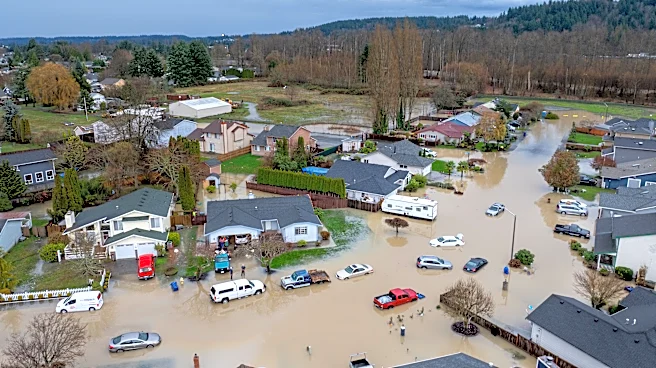
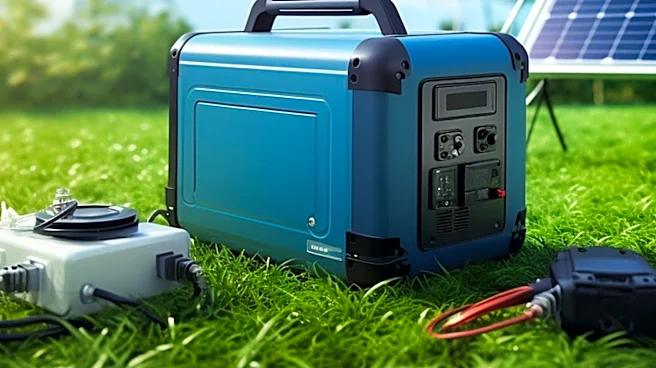
The U.S. portable generator market is experiencing sustained demand, primarily driven by frequent extreme-weather grid outages and expanding construction activity. In 2023, the U.S. National Oceanic and Atmospheric Administration recorded 28 separate
billion-dollar weather disasters, a record that significantly boosted household and small-business demand for backup power. These extended utility outages often leave millions without power for days, prompting increased post-event retail purchases. Additionally, the U.S. Consumer Product Safety Commission's 2023 safety rule, mandating automatic carbon monoxide shutoff sensors on new portable units, adds compliance costs that manufacturers pass on to consumers. The construction sector also contributes significantly to demand, as contractors rely on portable generators for tools, lighting, and temporary offices. The Associated General Contractors of America reported continued growth in U.S. construction spending through 2024, sustaining demand for mid- and high-power diesel and gasoline units at job sites.
Why It's Important?
The robust demand for portable generators in the U.S. highlights a critical need for energy resilience among households and businesses. For U.S. consumers, these generators provide essential backup power during emergencies, ensuring safety and continuity of daily life. For businesses, particularly in construction, they are indispensable for maintaining operations and project timelines. The increasing frequency of extreme weather events underscores the vulnerability of existing power grids and the growing reliance on decentralized power solutions. This market trend also impacts U.S. manufacturers and retailers, who must adapt to fluctuating demand patterns, manage inventory effectively, and comply with evolving safety regulations. The shift towards inverter and dual-fuel technologies also signifies an industry-wide effort to offer more versatile, cleaner, and quieter power solutions, catering to a broader range of applications and environmental considerations.
What's Next?
The portable generator market is expected to continue its growth trajectory, with inverter and dual-fuel technologies gaining further traction. Inverter generators, known for their clean, variable-frequency output, are moving from niche recreational use to mainstream residential backup applications. Dual-fuel models, offering flexibility with gasoline or propane, will become more prevalent, especially in regions prone to fuel shortages during disasters. Manufacturers are likely to expand production of these advanced units, particularly ahead of major storm seasons, to capture replacement demand from owners of older, noncompliant models. E-commerce channels will continue to play a significant role in sales, enabling brands to reach underserved rural and suburban buyers and facilitate rapid fulfillment of emergency orders. The industry will also face ongoing challenges related to emissions and noise regulations, as well as volatility in raw material costs, which will influence design and pricing strategies.
Beyond the Headlines
The surge in portable generator sales reflects a broader societal concern about infrastructure resilience and self-sufficiency in the face of climate change and an aging power grid. This trend could lead to increased investment in home energy solutions, including solar-plus-storage systems, as consumers seek more permanent and integrated backup power options. The regulatory landscape, particularly regarding carbon monoxide safety and emissions, will continue to evolve, pushing manufacturers towards more environmentally friendly and safer designs. This also raises questions about the cumulative environmental impact of widespread portable generator use, especially concerning noise pollution and emissions in residential areas. The market's growth signifies a shift in consumer behavior towards greater preparedness and a willingness to invest in personal energy security, potentially influencing urban planning and utility infrastructure development in the long term.