




What's Happening?
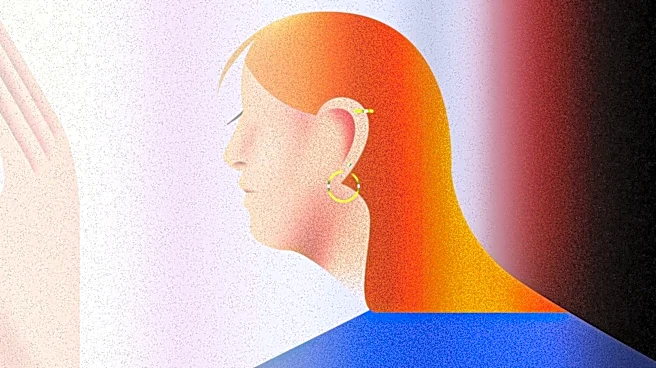
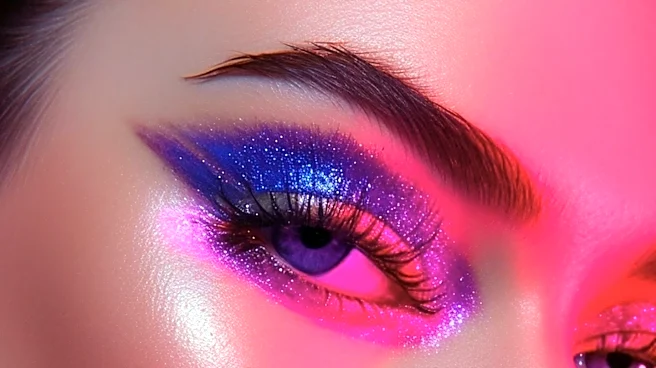
Facial analysis services like Qoves and Epica are gaining popularity by offering beauty assessments and cosmetic procedure recommendations. These services use AI to analyze facial features and suggest changes to enhance attractiveness. Users, such as Danielle,
a former model, are drawn to these services for potential career and financial benefits linked to perceived attractiveness. However, the services have been criticized for perpetuating unrealistic beauty standards and exploiting insecurities. Experts warn of the psychological impact, particularly on individuals with body dysmorphia or low self-esteem, as these services emphasize appearance as a metric of self-worth.
Why It's Important?
The rise of facial analysis services highlights the growing influence of technology on beauty standards and self-perception. By quantifying attractiveness, these services contribute to societal pressures to conform to specific beauty ideals, which can have detrimental effects on mental health. The trend reflects broader issues of body image and self-esteem, particularly among women, and raises ethical concerns about the commercialization of beauty. As these services become more prevalent, they may shape cultural norms and expectations, impacting industries such as fashion, cosmetics, and healthcare.
Beyond the Headlines
The ethical implications of facial analysis services extend beyond individual users. The use of AI in assessing beauty raises questions about bias and the perpetuation of Eurocentric beauty standards. The lack of transparency in the algorithms and methodologies used by these services further complicates the issue. Additionally, the accessibility of these services to minors poses risks, as young people may be particularly vulnerable to the pressures of achieving an idealized appearance. The conversation around these services may prompt discussions about regulation and the need for more inclusive and diverse representations of beauty.