






What's Happening?
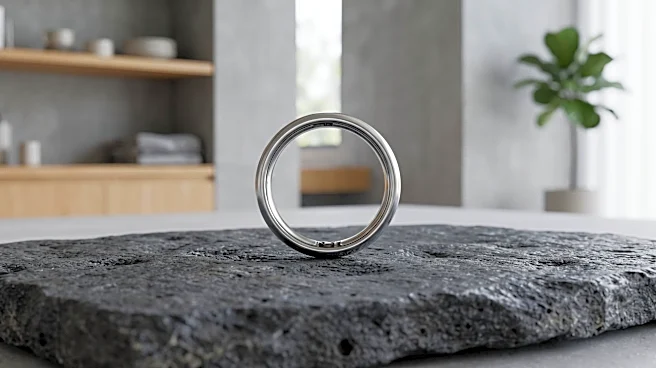
The Oura Ring 5, a popular health tracker, is facing increasing competition from a new wave of smart rings that offer similar health monitoring features at a lower price point and, crucially, without requiring monthly subscription fees. While the Oura Ring 5 starts
at $399, users must pay an additional $5.99 per month or $69.99 per year for a membership to access detailed sleep, recovery, and health insights. Without this subscription, only basic scores for Sleep, Activity, and Readiness are available. This pricing model means that over two years, the Oura Ring 5's total cost approaches $539 before taxes. Competitors like the Amazfit Helio Ring, Renpho LYNX, and RingConn Gen 2 Air are entering the market with more budget-friendly options, some priced as low as $161, and generally do not require ongoing subscription payments for core health tracking data. This shift in the smart ring market is presenting consumers with more choices for health monitoring without the long-term financial commitment associated with Oura's model.
Why It's Important?
This development is significant for the U.S. wellness and fitness services industry, as it signals a potential shift in consumer expectations regarding wearable health technology. The emergence of more affordable smart rings without recurring subscription fees could pressure established players like Oura to re-evaluate their pricing strategies and subscription models. Consumers stand to gain from increased competition, leading to more accessible and cost-effective options for tracking personal health metrics. This trend could democratize access to advanced health monitoring, making it available to a broader demographic that might be deterred by the high initial cost and ongoing fees of premium devices. For companies, the challenge lies in balancing feature sets, accuracy, and pricing to remain competitive in a rapidly evolving market. The success of these new, more affordable alternatives could force a re-evaluation of the value proposition of subscription-based health tracking services.
What's Next?
The smart ring market is likely to see continued innovation and increased competition. Oura may need to consider adjustments to its subscription model or introduce more affordable hardware options to maintain its market share. Competitors are expected to refine their offerings, potentially improving accuracy and expanding features to rival Oura's established reputation. Legal challenges, such as Oura's lawsuit against Ultrahuman, indicate a competitive landscape where intellectual property and market dominance are actively contested. Consumers can anticipate a wider array of choices, potentially leading to more advanced features becoming standard in lower-priced devices. The long-term trend suggests a move towards more integrated and user-friendly health tracking solutions, with a strong emphasis on value and transparency in pricing.
Beyond the Headlines
The rise of subscription-free smart rings highlights a broader consumer trend towards avoiding recurring costs for technology and services where possible. This could have implications beyond the wearable tech market, influencing how other industries package and price their offerings. The ethical dimension of data ownership and privacy also comes into play, as consumers weigh the benefits of detailed health insights against the cost and the terms of data usage. The debate over whether health tracking should be a one-time purchase or a continuous service with ongoing fees reflects differing philosophies on personal health management and the commercialization of wellness. This shift could also encourage greater transparency from companies about the true cost of ownership for their devices and services, fostering a more informed consumer base.