




What's Happening?
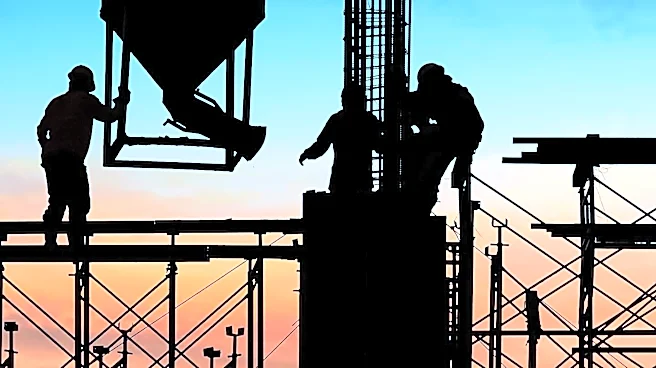
The U.S. construction industry is maintaining strength despite facing significant challenges, including increasing material and labor costs, skilled workforce shortages, and rising borrowing costs. Companies like PC Construction, headquartered in Vermont
since 1958, are managing complex building and infrastructure projects across the Eastern seaboard, including over $4.5 billion worth of work since 1972 in the Mid-Atlantic market. PC Construction was recently recognized as the Mid-Atlantic Contractor of the Year by Engineering News-Record in August, following a similar award in 2022 as Southeast Contractor of the Year. The industry is also grappling with reductions and changes in funding, and prolonged preconstruction timelines due to financing hesitancy, particularly noted in states like Vermont. Despite these headwinds, there's cautious optimism for 2027, with a focus on public infrastructure, housing-related projects, and flood repair work. The industry acknowledges some progress in supply chain issues and a positive shift in public perception towards careers in the trades.
Why It's Important?
The resilience of the U.S. construction sector is a critical indicator of the broader economic health, impacting labor, banking, housing, and commercial development. Sustained construction activity, particularly in infrastructure and housing, is vital for economic stability and growth. Challenges such as high interest rates and labor shortages can lead to project delays and increased costs, potentially hindering the development of essential infrastructure and affordable housing. The industry's ability to adapt to these pressures, as evidenced by companies like PC Construction securing major projects and accolades, underscores its strategic importance. Furthermore, the emphasis on workforce development and addressing permitting complexities highlights the need for collaborative efforts between industry, government, and educational institutions to ensure a robust pipeline of skilled workers and efficient project delivery. The continued investment in infrastructure, despite funding uncertainties, is crucial for maintaining and upgrading critical public services and supporting regional economies.
What's Next?
Looking ahead to 2027, the construction industry anticipates continued demand, especially in public infrastructure, housing, and municipal projects. Federal funding, which had seen some concerns, appears to be flowing again, supporting projects with entities like the National Guard and GSA. However, the industry will need to address persistent issues such as unpredictable permitting processes, high construction costs, and workforce shortages. Stakeholders are calling for more predictable permitting, increased investment in infrastructure, and expanded workforce development programs, including career and technical education and apprenticeships. There's also a push for embracing modern construction methods like modular construction and prefabrication to improve efficiency. The financial sector expects a higher-rate environment to continue, requiring developers to be more disciplined and projects to demonstrate stronger cash flow and equity support. Community banks are expected to play a crucial role in facilitating these projects by understanding local contexts and supporting experienced developers.
Beyond the Headlines
The ongoing challenges in the construction sector, particularly regarding permitting and financing, reveal deeper systemic issues that affect urban and rural development across the U.S. The struggle to balance environmental protection, such as wetlands agreements, with the urgent need for housing and infrastructure highlights complex policy dilemmas. The call for treating construction as a 'partner in solving problems' suggests a need for more integrated approaches between regulatory bodies, developers, and communities. The shift towards modern construction techniques and workforce development initiatives also points to a broader evolution in the industry, driven by technological advancements and demographic changes. The long-term implications include not only the physical landscape of communities but also the economic accessibility of housing and the sustainability of public services, underscoring the ethical and societal dimensions of construction policy and practice.